The short version
- Canada has joined a growing coalition of nations refusing to play ice hockey against Russian teams, effectively blocking their participation in upcoming international tournaments despite a recent ruling by the Court of Arbitration for Sport.
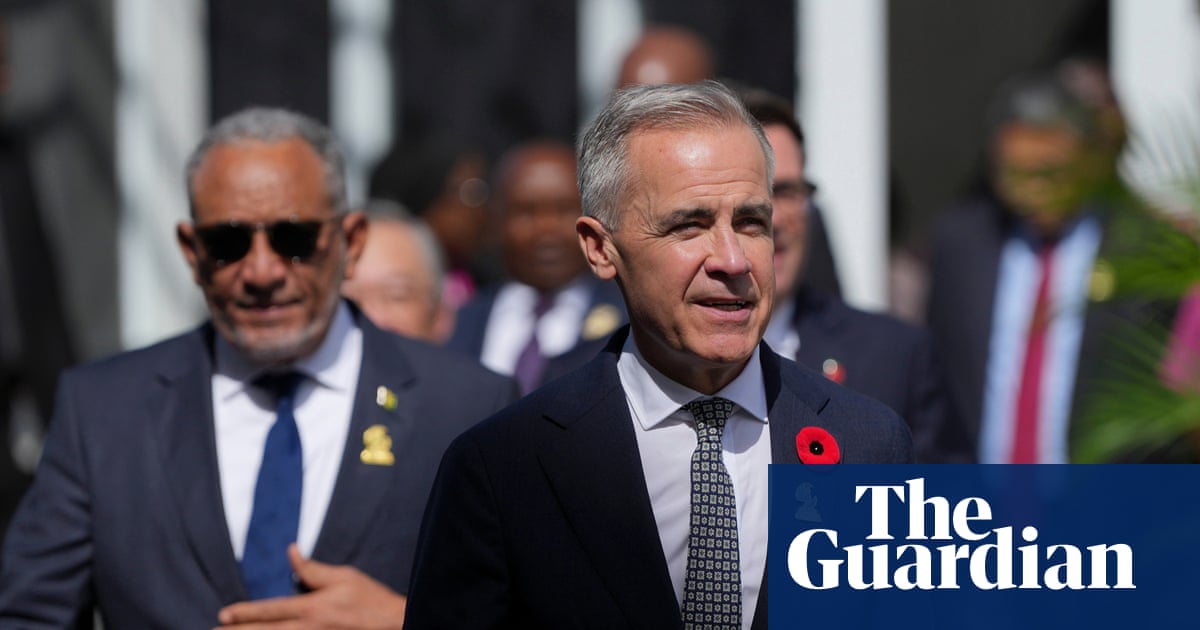
- Prime Minister Mark Carney stated that Russian athletes will not compete in Canada-hosted events as long as the war in Ukraine continues, aligning with similar stances taken by Finland, Norway, Denmark, Sweden, Latvia, and the Czech Republic.
- The conflict arises after the Court of Arbitration for Sport overturned a ban on Russian teams, arguing that safety concerns were not sufficiently evidenced, while national federations maintain that playing against Russia poses significant security risks to players and staff.
A significant diplomatic and sporting standoff has emerged in international ice hockey as Canada joined a coalition of nations refusing to compete against Russian teams. This collective action directly challenges a recent decision by the Court of Arbitration for Sport, which had lifted a ban on Russian participation in International Ice Hockey Federation events. The move signals a deepening rift between legal rulings on sports eligibility and the political realities faced by national federations amid the ongoing war in Ukraine.
Prime Minister Mark Carney announced that Russian skaters will be barred from competing in the world junior championship scheduled to take place next month in Alberta. Speaking to reporters, Carney emphasized that as long as Russia and Belarus support what he described as an illegal and unjustified war in Ukraine, athletes from those nations will not compete for their countries on Canadian soil. This stance effectively nullifies the CAS ruling for events hosted within Canada’s borders.
The controversy stems from a ban originally imposed by the International Ice Hockey Federation following Moscow’s full-scale invasion of Ukraine in February 2022. The prohibition had been extended annually, but after several appeals by Russia’s hockey federation, the Court of Arbitration for Sport determined that safety and security worries were not supported by sufficient evidence. Consequently, the court lifted the ban, allowing Russian teams to compete in IIHF-sanctioned events once again.
In response to this ruling, a growing number of national hockey federations have chosen to resist Russia’s reintegration into international competition. The Finnish Ice Hockey Association led the charge on Monday, calling on other nations to stand against the decision. By Tuesday, federations from Denmark, Sweden, Norway, Latvia, and the Czech Republic had announced their support for Finland’s position, creating a unified front among several key European hockey powers.
Norway was among the first to formalize its refusal, stating that it would play games in tournaments against all teams except those involving Russia. The Norwegian federation maintained that its position remains unchanged: Russia should be excluded from all international championships as long as the war in Ukraine continues. This decision underscores a broader trend of national bodies prioritizing their own ethical and security assessments over centralized sporting authority mandates.
Security concerns remain central to the federations’ decisions. Norway explicitly cited the responsibility to protect the safety and wellbeing of players, team staff, and their families. The federation argued that playing against Russia under current circumstances could expose these individuals to significant security risks. Similar reasoning was echoed by other nations in the coalition, suggesting that the threat is perceived as tangible rather than merely symbolic.
Ukraine has welcomed the coordinated refusal to share the ice with Russian teams. Foreign Minister Andrii Sybiha thanked European nations for their stance, criticizing the Court of Arbitration for Sport for lacking a moral compass. He urged other countries to deny visas to Russian players and keep them off the ice, asserting that a war of aggression and hockey are fundamentally incompatible. This diplomatic support highlights the intersection of sports policy and international relations.
The situation leaves host cities worldwide facing difficult decisions regarding upcoming tournaments. With the CAS ruling in place but national federations refusing to participate, organizers must determine whether to proceed with events as planned or seek alternative arrangements. The world junior tournament in Alberta is now a focal point of this uncertainty, with its commencement date set for December 26. The outcome will likely influence how other sporting bodies handle similar geopolitical conflicts in the future.
This standoff illustrates the limitations of international sports arbitration when confronted with active geopolitical conflict. While legal mechanisms may lift bans based on evidentiary standards, national governments and federations retain the authority to control participation within their jurisdictions. The coalition’s actions suggest that for many nations, the moral and security implications of the war in Ukraine outweigh the procedural directives of sporting courts.
As the December tournament approaches, the tension between institutional rulings and national sovereignty will remain unresolved. The refusal by Canada and its European partners to engage with Russian teams sets a precedent that could ripple through other international sports organizations. Whether this coalition holds firm or faces pressure to conform to CAS decisions will depend on continued diplomatic alignment and the evolving security landscape surrounding the conflict.
Sources behind this briefing
Go to the original reporting
- The Guardian World↗Canada joins coalition refusing to play ice hockey against Russia over Ukraine war


