The short version
- The New Barn at Harmondsworth, built in 1426, faces potential structural damage from aircraft vibrations if Heathrow Airport expands with a third runway.
- Campaigners and local residents report significant low-frequency tremors affecting nearby homes, though airport operators state that mitigation measures will be evaluated during the planning process.
- The public consultation period for amendments to the national policy statement closes on September 1, marking a critical window for objections regarding environmental and heritage impacts.
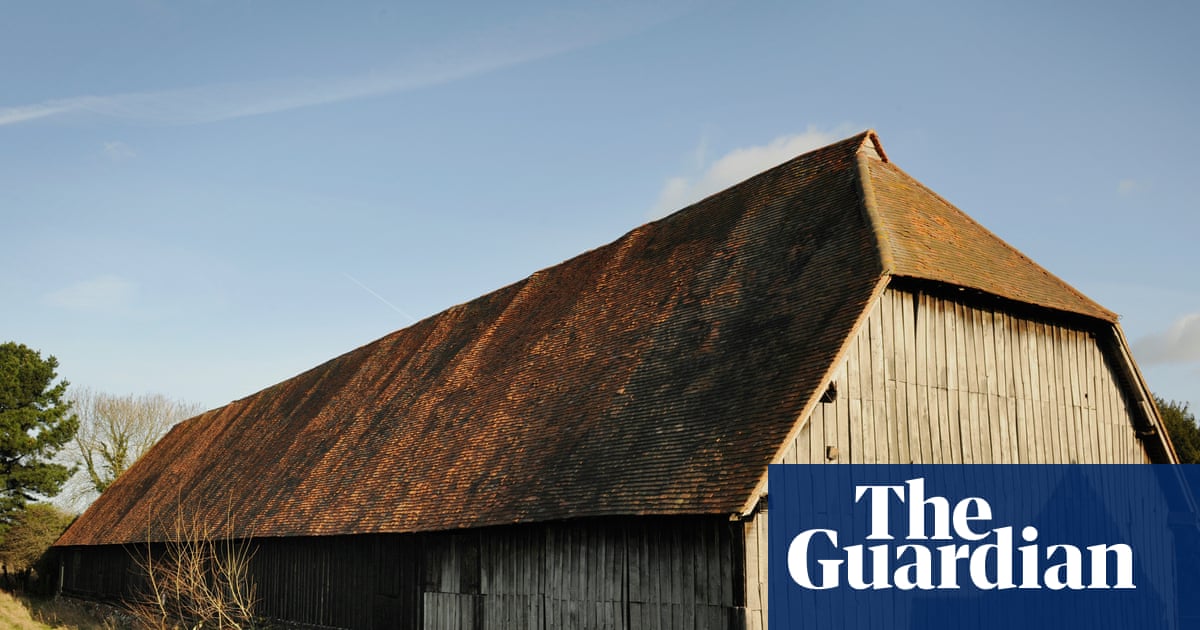
A six-century-old timber structure in west London faces an uncertain future as campaigners warn that the expansion of Heathrow Airport could physically destroy England’s largest surviving medieval barn. The New Barn at Harmondsworth, constructed in 1426, is currently the subject of intense debate as the government seeks public input on amendments to the national policy statement governing the airport’s growth. Critics argue that the proximity of the proposed third runway poses an existential threat to the building’s integrity, citing concerns over ground vibrations generated by heavy aircraft takeoffs.
The barn is considered a remarkable example of medieval architecture due to its extraordinary scale and the near-complete survival of its original structural timbers. Measuring nearly sixty meters in length, twelve meters in width, and eleven meters in height, the structure is supported by thirteen massive oak trusses. English Heritage, which purchased the property in 2011, highlights that more than ninety-five percent of the timber framework remains original. This level of preservation is rare for large medieval buildings, where significant repairs often replace half or more of the initial materials.
Justine Bayley, a former archaeological scientist at English Heritage and chair of the Stop Heathrow Expansion campaign, expressed deep concern that the airport boundary extends within a few hundred meters of the barn. She warned that the vibrations from airplanes could shake the historic structure to pieces. Bayley questioned whether the building would survive if the expansion proceeds, noting that the precise construction date of 1426 is known through detailed historical records, including information about the source of the timber and the funding provided by the bishop of Winchester.
Local residents in nearby villages have reported experiencing significant low-frequency vibrations from current airport operations. Christian Hughes, whose home in Longford is slated for demolition under the expansion plans, described feeling planes depart before hearing them. He noted that a relatively new house in a neighboring hamlet has developed significant cracking due to these tremors. Hughes criticized the situation as criminal, pointing out that Longford contains homes dating back to the 1600s and earlier, all of which face demolition alongside the potential loss of the medieval barn.
Bayley argued that actual measurements of vibrations from the existing north runway have not been adequately taken, despite the similar distance to Longford. She claimed that residents in Longford experience dreadful vibrations that can be felt through floors and feet, allegations that Heathrow has previously dismissed. Bayley suggested that proper monitoring of noise and vibration levels would reveal warnings for the barn’s structural safety. She accused the Department for Transport of prioritizing the expansion over environmental limits and climate change legislation by declaring Heathrow critical national infrastructure.
The political context of the expansion adds another layer of complexity to the debate. Prime Minister Andy Burnham has previously expressed concerns that the project diverts infrastructure investment away from northern regions and traps it in London. Bayley noted that while opposing the plans is difficult, it is not impossible, especially given the government’s current consultation process. She characterized the consultation as moving goalposts, suggesting that the administration is setting up procedural hoops rather than genuinely addressing environmental and heritage concerns.
Marian Campbell, an art historian and former curator at the Victoria and Albert Museum, emphasized the visual and historical significance of the New Barn. She described it as an exceptionally rare survival, noting its improbable location close to Heathrow’s runways. The building’s documented history, including exact construction dates and material origins, makes it a unique artifact. Campbell joined other experts in warning that the loss of such a structure would be a significant cultural blow, given its status as a cathedral-like space celebrated by figures such as former poet laureate Sir John Betjeman.
Heathrow Airport has responded to these concerns by stating that it will continue to engage with local communities during its own public consultation later this year. A spokesperson noted that while the Great Barn lies outside the new airport boundary, the development consent order process will examine a wide range of potential impacts. The airport assured that necessary mitigations would be implemented to ensure the project is delivered responsibly. However, critics remain skeptical that these measures will adequately protect the barn from the cumulative effects of increased air traffic.
The public has until September 1 to submit objections to the Heathrow expansion plans. This deadline marks a pivotal moment for preservationists and local residents who fear the irreversible damage to both their homes and historic landmarks. English Heritage and the Friends of the Great Barn at Harmondsworth are hosting a major conference in September to highlight these issues. The outcome of the consultation could determine whether one of England’s most significant medieval structures survives intact or succumbs to the pressures of modern infrastructure development.
As the debate intensifies, the tension between economic growth and heritage preservation remains stark. The expansion promises increased capacity and connectivity but at the cost of demolishing villages and potentially compromising historic sites. The lack of comprehensive vibration data for existing runways has fueled skepticism among experts and residents alike. With the consultation period closing soon, the coming weeks will be critical in shaping the future of both Heathrow Airport and the cultural landscape of west London.
Sources behind this briefing
Go to the original reporting
- The Guardian World↗Heathrow expansion ‘is threat to England’s largest surviving medieval barn’

