The short version
- HSBC reported a sixty percent surge in quarterly profits, contributing to £29.2 billion in collective earnings for the UK's four largest banks in the first half of the year.
- Campaigners propose a windfall tax modeled on Spain’s system, estimating it could generate £19 billion to fund government spending on utilities and transport subsidies.
- Bank leaders argue that strong financial institutions are essential for lending and growth, while advocates cite environmental concerns and public support for higher levies.
Calls for a new windfall tax on the United Kingdom’s banking sector have intensified following reports of substantial profit increases among major lenders. Advocacy groups argue that these financial institutions are generating record revenues at a time when many households face rising costs, creating a moral and economic case for redistribution. The push comes as Prime Minister Andy Burnham prepares to outline his economic agenda, with campaigners suggesting that taxing bank profits could provide significant funding for cost-of-living relief measures.
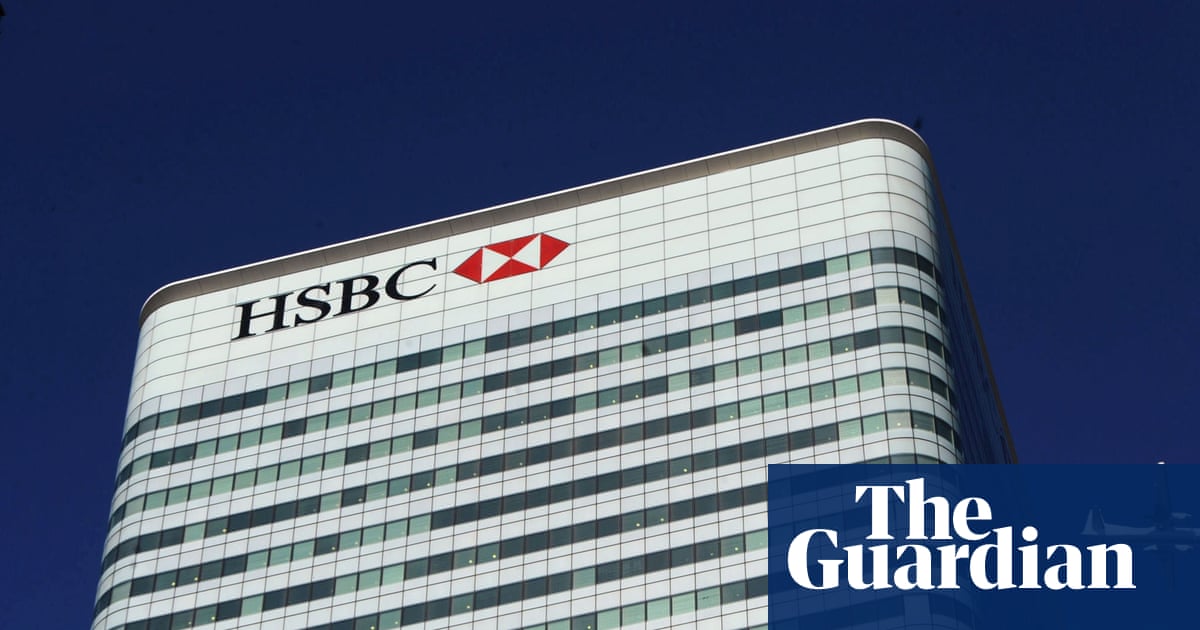
The catalyst for the renewed debate is HSBC’s announcement of a sixty percent year-on-year increase in profits for the second quarter of 2026. The bank reported earnings of $10.1 billion, or approximately £7.5 billion, driven by higher interest rates and strong performance in wealth management and insurance divisions. This surge allows the lender to charge more for loans and mortgages, a dynamic that has simultaneously increased costs for borrowers while boosting institutional revenue.
When combined with results from NatWest, Barclays, and Lloyds, the collective profits for the UK’s four largest banks reached £29.2 billion over the first six months of the year. This financial performance places the industry back in the spotlight for critics who believe current tax structures do not adequately capture windfall gains during periods of high interest rates. The timing coincides with broader political discussions about how to fund public services and support vulnerable populations without increasing national debt.
Positive Money, a campaign group focused on financial regulation, has calculated that a targeted levy could raise £19 billion for the government’s budget. They propose replicating Spain’s model, which applies a thirty-eight percent tax on revenues exceeding £800 million. This approach mirrors the energy profits levy introduced by the previous Conservative government in 2022 for oil and gas companies. The group argues that banks have already pledged nearly half of their profits to shareholders through dividends and share buybacks, demonstrating capacity to absorb additional fiscal obligations.
The proposed revenue would significantly exceed the cost of several key initiatives in Burnham’s agenda. According to Positive Money, the £19 billion could cover the expense of cutting VAT on electricity bills, capping bus fares at two pounds, and reducing business rates for hospitality venues more than thirteen times over. These measures are designed to provide immediate relief to consumers and small businesses struggling with inflationary pressures.
Sara Hall, co-director of Positive Money, emphasized that previous administrations had resisted taxing bank profits despite public support, often yielding to lobbying efforts from the financial sector. She urged the current government to break with this precedent and reclaim funds that could be used for life-changing support. The argument rests on the premise that extraordinary profits generated by macroeconomic conditions rather than operational innovation should contribute more to public coffers.
Bank executives have responded with caution, highlighting their role in supporting economic growth. Georges Elhedery, HSBC’s chief executive, stated that strong banks are necessary for UK growth and emphasized the importance of lending to businesses. He also indicated plans to restart share buyback programs and consider increasing bonuses following the strong quarterly results. Industry leaders suggest that imposing new taxes could constrain their ability to lend, potentially slowing economic recovery.
Beyond fiscal arguments, some advocates link the tax proposal to environmental accountability. Joanne O’Neill of ActionAid UK pointed to research showing HSBC’s continued financing of fossil fuel and industrial agriculture projects between 2021 and 2023. She argued that banks should face a polluter-pays tax to reflect their responsibility for climate harm, especially after weakening previous climate commitments. This perspective adds a layer of ethical pressure to the economic debate.
The Trades Union Congress has joined the call for higher taxes, with general secretary Paul Nowak noting that evidence suggests banks can easily afford to pay more. He contrasted the financial health of major lenders with the mortgage misery and bill burdens faced by ordinary citizens. As the October budget approaches, the tension between fiscal responsibility, economic growth, and social support remains a central challenge for policymakers.
The outcome of this debate will likely influence broader perceptions of fairness in the UK’s economic recovery. If a windfall tax is implemented, it could set a precedent for how other sectors are taxed during periods of high profitability. Conversely, rejecting the proposal may reinforce concerns about inequality and the influence of financial lobbyists on public policy. The coming months will reveal whether political will aligns with campaign demands.
Sources behind this briefing
Go to the original reporting
- The Guardian World↗Calls for UK bank tax to fund cost of living help as HSBC profits hit £7.5bn

