The short version
- Jason Beer KC has been appointed to lead an independent review of Cambridge University's handling of allegations against Jason Arday.
- The investigation will assess institutional policies, decision-making processes, and support provided to academics under public scrutiny.
- This marks the second independent review into the case, following a separate inquiry focused on immediate support before Arday's death.
Cambridge University has appointed Jason Beer KC to lead an independent examination of its institutional response to the controversy surrounding Jason Arday. The legal expert, known for his role as lead counsel in the Post Office Horizon IT statutory inquiry, will investigate the policies and procedures that governed the university’s handling of allegations made against Arday before his resignation and subsequent death. This appointment signals a deepening institutional scrutiny of how the university manages high-profile academic disputes and supports staff members facing intense public and media pressure.
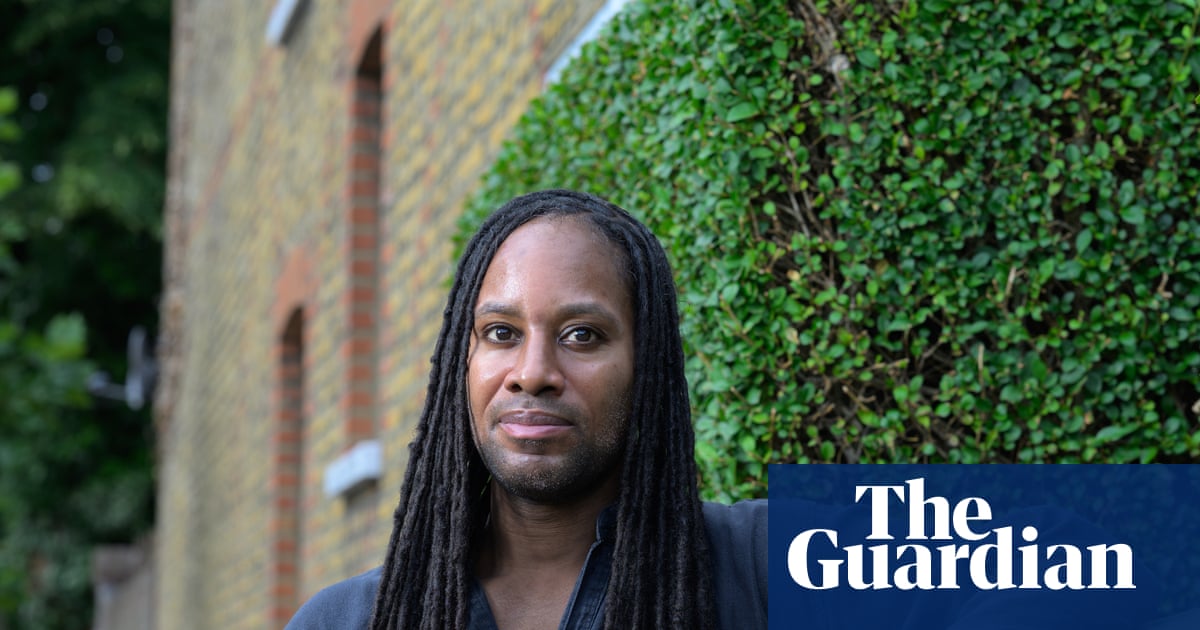
Arday, who served as a professor of the sociology of education, was the youngest black professor in Cambridge’s history at the time of his appointment at age 37. He died at his home in south London in August after resigning from his position. His departure followed the university’s announcement that it would investigate allegations regarding plagiarism and inconsistencies in statements about his career. Arday had denied the accusations prior to the launch of the internal investigation, which was announced on August 5. He resigned shortly thereafter and was found dead nine days later.
The scope of Beer’s review extends beyond a simple audit of procedural compliance. He has stated that he will evaluate whether the university’s policies were reasonable in practice and how they functioned during the crisis. The inquiry will examine who held decision-making authority, what information was available to those leaders, and whether relevant concerns were identified and addressed appropriately. Additionally, Beer will assess whether various university structures collaborated effectively during this period, aiming to determine if broader institutional changes are necessary.
Beer emphasized the importance of fairness and sensitivity in the review process. He noted that he intends to treat participants with care and respect confidentiality while ensuring that anyone whose actions are examined receives equitable treatment. He also invited individuals with relevant knowledge or experience to contribute to the review, suggesting that their perspectives could be vital in understanding both the specific circumstances of Arday’s case and potential systemic issues within the university.
This investigation represents the second of two independent reviews commissioned by Cambridge University regarding its involvement with Arday. The first review, announced in September, was led by Nazir Afzal, a former chief crown prosecutor for north-west England. Afzal’s mandate focused specifically on the support provided to Arday in the immediate period preceding his death. By appointing Beer to examine wider institutional arrangements and decisions, the university appears to be separating the immediate crisis response from a broader assessment of governance and policy.
Beer brings extensive experience in leading complex public inquiries to this task. Beyond his work on the Post Office Horizon inquiry, which investigated wrongful criminal prosecutions of nearly 1,000 post office operators, he has served as counsel for NHS England during the Covid-19 inquiry. His background suggests a capacity to navigate sensitive legal and ethical questions while managing large-scale investigations involving multiple stakeholders and significant public interest.
Deborah Prentice, Cambridge’s vice-chancellor, expressed confidence in Beer’s ability to conduct a thorough examination. She described him as an eminent legal expert with vast experience in leading complex reviews and inquiries. Prentice also acknowledged the panel of independent experts Beer has convened to assist him, indicating that the university expects detailed findings and recommendations in due course. The administration’s statement reflects a commitment to transparency and accountability in addressing the tragic events.
The dual-review structure allows for a nuanced exploration of both immediate failures in support and long-term structural deficiencies. While Afzal’s review addresses the direct care provided to Arday, Beer’s inquiry looks at the broader framework that allowed such a situation to unfold. This approach may help identify whether isolated incidents or systemic issues contributed to the outcome. The findings could have implications for how Cambridge and other institutions handle similar controversies involving academic misconduct allegations and public scrutiny.
As the reviews proceed, attention will focus on whether the university’s actions exacerbated the stress faced by Arday or if existing protocols were insufficient given the intensity of the media environment. The outcomes may influence future policies regarding the protection of academics facing significant public pressure. Stakeholders, including faculty members, students, and the wider academic community, will likely watch closely to see how the institution addresses these challenges and implements any recommended changes.
The case has drawn significant attention due to Arday’s status as a pioneering figure in British academia and the tragic nature of his death. The reviews aim to provide clarity on what happened and how institutional responses can be improved. By engaging high-profile legal experts, Cambridge University seeks to demonstrate its commitment to learning from this incident and preventing similar tragedies in the future. The process underscores the growing importance of robust governance mechanisms in higher education institutions facing complex ethical and reputational challenges.
Sources behind this briefing
Go to the original reporting
- The Guardian World↗Cambridge asks Post Office inquiry barrister to lead review into death of Jason Arday


