The short version
- Jason Arday has resigned from his position at the University of Cambridge and Jesus College effective immediately.
- The resignation follows the university's announcement of a formal investigation into new information regarding his qualifications.
- Arday attributes his departure to personal wellbeing concerns while denying malicious intent behind errors in his work.
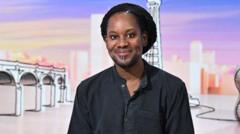
Jason Arday, a sociology professor at the University of Cambridge, has resigned from his post with immediate effect. The decision comes shortly after the university announced it was launching a formal investigation into new information concerning his academic qualifications and honorary appointments. Arday’s departure marks the end of a prolonged period of intense public scrutiny and internal review that has dominated discussions around his tenure at the institution.
In a statement released through the Good Law Project, Arday described the appointment as the greatest professional privilege of his life. However, he noted that the years since his hiring had been characterized by relentless public commentary and personal attacks. He stated that the personal cost of these pressures had become too great for himself, his family, and those who have supported him during this difficult period. Consequently, he concluded that stepping away was the only way to bring this chapter to a close.
Arday emphasized that his resignation should not be interpreted as a loss of faith in scholarship or the values that initially brought him to Cambridge. He also clarified that his departure does not constitute an acceptance of the narratives surrounding the allegations against him. Expressing gratitude to students and colleagues, he indicated that this is not the end of his work but rather a necessary pause for healing. He added that he intends to return to his professional endeavors when the time is right.
The university confirmed that its inquiry began following the receipt of new information regarding Arday’s credentials. Officials stated that while they are aware of public concerns, it remains vital that any process be thorough and adhere strictly to university policies and employment law. The institution also acknowledged the human element of the situation, noting that support continues to be provided to Arday. Additionally, Jesus College, where Arday serves as a fellow, announced it is launching its own parallel process alongside the university’s investigation.
The controversy surrounding Arday has been fueled by accusations from Nathan Cofnas, a researcher whose own role at Cambridge was terminated in 2024 following backlash to his views on race and meritocracy. Cofnas claimed to have found numerous instances of plagiarism in Arday’s work using detection software. He alleged that many passages were lifted with minimal editing, sometimes retaining copy-editing mistakes from the original sources. These claims questioned several of Arday’s stated achievements and academic qualifications.
Arday has acknowledged errors in his early academic work but has firmly denied being a liar. In an interview with The Times, he suggested that some mistakes stemmed from his autism, explaining that he relied on mimicry to process information. He argued that similar scrutiny would likely reveal comparable errors in the work of other academics. Arday characterized the campaign against him as well-orchestrated and racially motivated, suggesting he had become a lightning rod for criticism directed at diversity, equity, and inclusion policies.
The university noted that there remain ongoing complaints regarding academic misconduct, which are being handled in line with research misconduct policy. This is consistent with previous statements issued by the institution regarding the matter. The overlap of these separate processes—the investigation into qualifications and the handling of misconduct complaints—has created a complex procedural landscape for resolving the issues raised against Arday.
Arday became the youngest black professor at Cambridge in 2023, a distinction that placed him in the public eye even before the current controversy. The intersection of his high-profile status and the nature of the allegations has drawn significant attention from both academic circles and the broader media. As the investigations proceed, the outcome may have implications for how institutions handle similar disputes involving academic integrity and credential verification.
The resignation leaves questions about the final determination of the university’s findings. While Arday has stepped down to avoid further personal toll, the formal inquiries into his qualifications and misconduct complaints are still active. The resolution of these matters will depend on the thoroughness of the investigative processes and their adherence to established legal and institutional frameworks. For now, the focus shifts from public debate to internal administrative procedures.
This case highlights the challenges faced by modern universities in balancing academic freedom, rigorous standards of integrity, and the protection of individuals under investigation. The parallel processes at both the university and college levels underscore the complexity of addressing allegations that span multiple domains of professional conduct. As the situation develops, stakeholders will be watching to see how the findings are communicated and what precedents may be set for future cases.
Sources behind this briefing
Go to the original reporting
- BBC News↗University of Cambridge professor at centre of plagiarism row resigns
- The Guardian World↗Cambridge professor Jason Arday resigns amid accusations of plagiarism

