The short version
- Voters in California are choosing between Democrat Xavier Becerra and Republican Steve Hilton to succeed Gavin Newsom as governor.
- The race highlights a divide between established political experience and outsider promises, set against a backdrop of high living costs.
- Federal efforts to challenge the state's election integrity have been rejected by courts, though distrust remains a campaign theme.
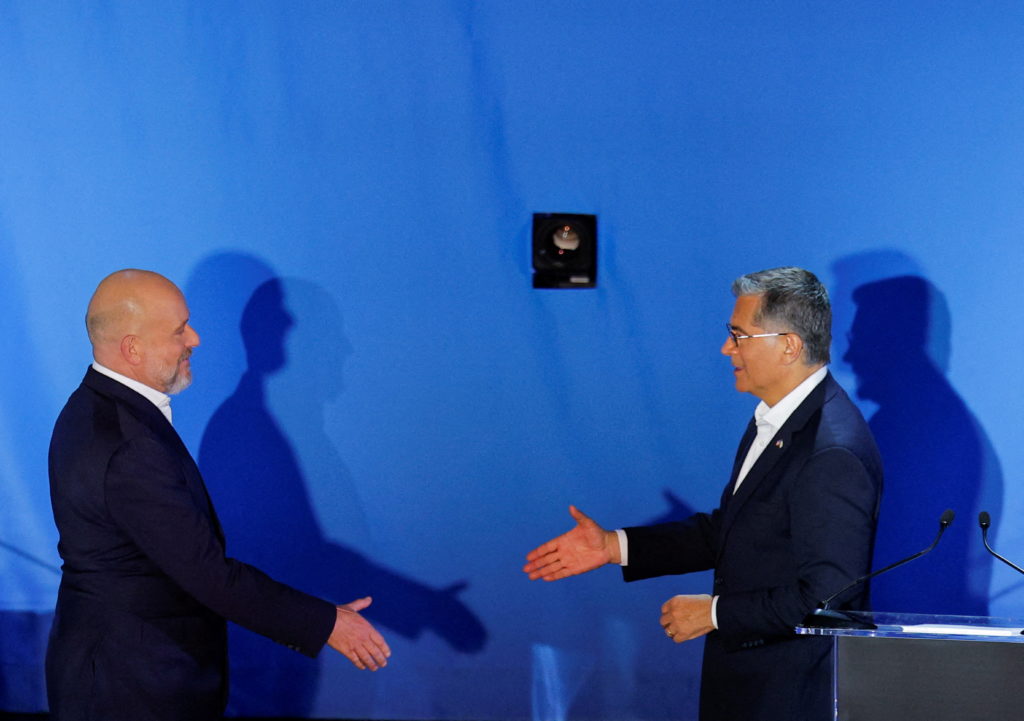
California voters are casting ballots Tuesday to determine the next governor of the nation’s most populous state, a decision that will shape policy directions in a region deeply divided by economic pressures and political ideology. The contest pits Democratic former Attorney General Xavier Becerra against Republican Steve Hilton, marking a significant transition as incumbent Gavin Newsom steps down after two terms. With mail-in voting already underway for nearly a month, the outcome hinges on how residents weigh concerns about housing affordability, gas prices, and the broader national political climate.
The race is fundamentally shaped by the state’s partisan landscape. Democrats hold a substantial advantage in registered voters, comprising roughly 45 percent of the electorate compared to 25 percent for Republicans. This registration gap presents steep odds for Hilton, who has positioned himself as a fresh alternative after fifteen years of Democratic leadership. Becerra, leveraging his extensive background that includes service in Congress and as U.S. Health Secretary under President Joe Biden, argues that his more than three decades of public service make him the safer choice to navigate complex state budgets and defend against federal overreach.
Central to the campaign is the high cost of living, which looms large for voters struggling with housing and fuel expenses. Hilton has attempted to turn his lack of elected office experience into an asset, criticizing what he describes as a bloated bureaucratic government that has failed ordinary Californians. He has made ambitious pledges, including promises to abolish the Department of Motor Vehicles and reduce gas prices to three dollars per gallon, aiming to attract independent voters and those disillusioned with the status quo. His strategy relies on appealing to a rebel spirit he claims is being crushed by current policies.
In contrast, Becerra has run a relatively low-key campaign, focusing less on frequent public events and more on tying his opponent to President Donald Trump. The Democrat has emphasized his ability to keep the California dream alive through experienced governance, arguing that Hilton’s inexperience leaves him unprepared to handle the state’s massive budget or defend residents against federal policies they oppose. Becerra’s campaign has highlighted quotes from Hilton expressing support for Trump, seeking to frame the election as a referendum on the president’s agenda rather than just local issues.
The path to the general election was marked by significant shifts in the Democratic primary field. Becerra was not initially considered a top contender, but his prospects improved dramatically when former Representative Eric Swalwell dropped out following allegations of sexual assault. Swalwell had been viewed as a front-runner, and his departure prompted party establishment figures and voters to seek a more reliable alternative. Becerra emerged as that choice, consolidating support from within the party while maintaining a steady, if less visible, campaign presence compared to his Republican rival.
Complicating the electoral environment is an ongoing dispute over election integrity driven by the Trump administration. Federal officials have alleged that up to 20,000 noncitizens may be registered to vote in California, seeking to sow distrust in the state’s voting systems. The Department of Justice filed a lawsuit attempting to stop officials from counting ballots cast by these individuals, but the U.S. Supreme Court rejected this demand on Monday. Several lower courts had previously sided with California, and state election officials maintain that they follow federal law while suggesting the administration’s numbers are likely inflated.
Election experts note that voting by noncitizens is rare and has not been shown to change election outcomes, yet the controversy remains a focal point of national attention. Hilton has utilized splashy advertisements, sometimes incorporating AI-generated content, to encourage voters who typically choose Democrats to try something new. These efforts aim to break through the partisan divide and resonate with independents like Richard Hartman, a construction worker outside Sacramento who is leaning toward Hilton to bring balance to a Democrat-dominated state.
As ballots are counted, the significance of this election extends beyond local governance. The winner will succeed Newsom, who is considering a run for the White House, potentially influencing national political dynamics. For now, Californians are weighing the appeal of experienced leadership against the promise of disruptive change, all while navigating a political landscape fraught with economic anxiety and federal legal challenges. The result will offer insight into whether voters prioritize stability or seek a dramatic shift in state direction.
Sources behind this briefing
Go to the original reporting
- PBS NewsHour↗Trump and the high cost of living loom over California governor's race between Becerra and Hilton


