The short version
- A bench trial has begun in California regarding allegations that Tesla failed to address widespread racial harassment and discrimination at its Fremont plant.
- Prosecutors present evidence of racist graffiti, slurs, and disparities in pay and promotion for Black employees, describing the environment as segregated and hostile.
- Tesla denies wrongdoing, arguing that the state is mischaracterizing informal greetings among Black workers and ignoring the company’s record of disciplining misconduct.
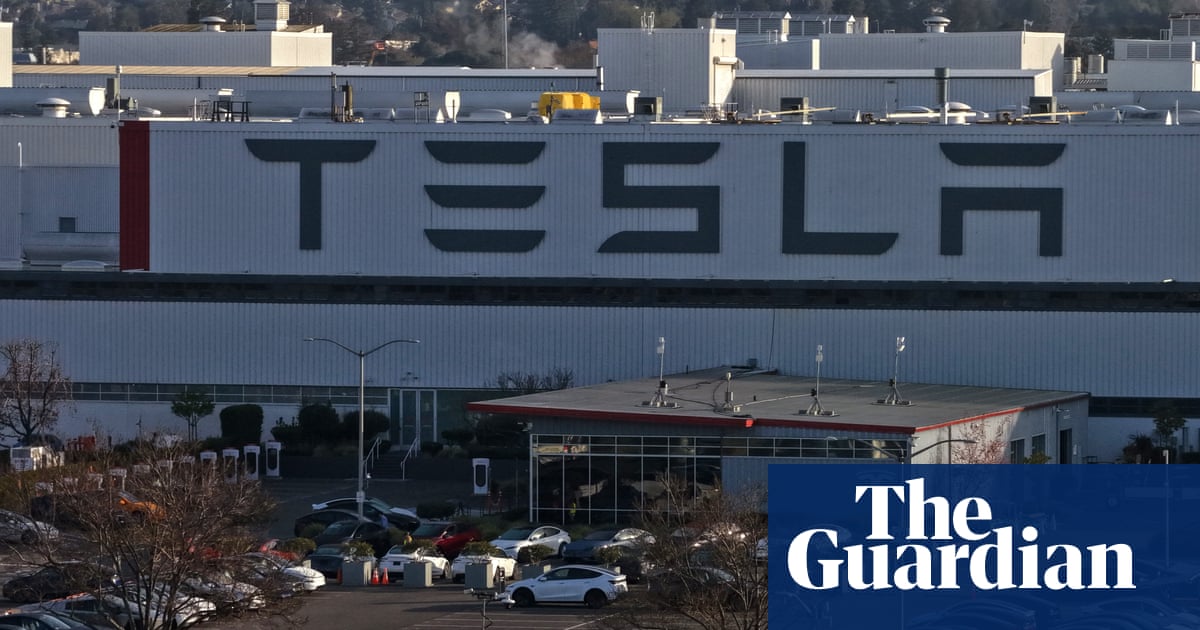
A significant legal challenge to Tesla Inc.’s workplace practices commenced on Monday in California, marking the first time a government agency has sued the electric vehicle manufacturer on behalf of multiple employees for racial discrimination. The trial, presided over by Judge Peter Borkon without a jury, centers on allegations that the company’s flagship Fremont factory fostered an environment of unchecked racism against Black workers. State attorneys argue that this was not merely a series of isolated incidents but a systemic failure to uphold California’s Fair Employment and Housing Act.
Lawyers for the California Civil Rights Department opened proceedings by presenting visual evidence of hate symbols found throughout the facility. Photographs displayed in court showed instances of the N-word scratched into metal surfaces and written on walls, alongside swastikas, Confederate flags, and white supremacist logos. These markings were reportedly discovered in bathrooms, lockers, and common areas such as lunch tables. The prosecution contends that such imagery created a pervasive atmosphere of hostility that management ignored for years.
Beyond physical graffiti, the state’s case relies heavily on testimony regarding verbal abuse and daily harassment. Attorneys described a workplace where Black employees were subjected to racial epithets with alarming frequency. One worker testified to hearing slurs dozens of times per day, while another recounted being asked if he wanted to hang from a tree. The prosecution characterized the factory environment using terms like “slaveship” and “plantation,” suggesting that workers felt trapped in a segregated system where they were paid less, promoted less often, and terminated more frequently than their white counterparts.
The legal strategy employed by the state emphasizes the scale of the complaints. Prosecutors stated that hundreds of grievances had been filed with both Tesla and the Civil Rights Department, indicating a pattern rather than individual bad actors. The lawsuit seeks financial damages and injunctive relief, which could compel the automaker to overhaul its internal policies and labor practices. Legal analysts note that this case carries substantial weight because the state is not bound by the arbitration agreements that typically prevent individual employees from suing in court.
In response, Tesla’s defense team adopted a confrontational approach during opening statements. Lead attorney Tyree Jones repeatedly used the N-word in a casual manner to illustrate his argument that the state was misinterpreting cultural nuances within the Black community. He asserted that such terms are often used as greetings among friends and should not be construed as racial slurs in every context. Jones framed the lawsuit as an attack on the company’s reputation and its role as a major employer in California, arguing that the state was blaming the victim rather than addressing individual misconduct.
Tesla has consistently denied any wrongdoing in this and other discrimination cases. The company maintains that it has always disciplined employees who engage in harassment or use racial slurs. In its defense, Tesla highlighted its status as a provider of high-paying jobs to tens of thousands of Californians and noted that its Fremont workforce is majority-minority. The automaker described the lawsuit as misguided, suggesting that the allegations do not reflect the reality of its operations or its commitment to diversity.
This trial occurs against a backdrop of numerous other legal challenges facing Tesla regarding workplace conduct. Previous cases brought by the Equal Employment Opportunity Commission and individual workers have alleged similar patterns of racial harassment. Notably, a federal jury previously awarded a former employee $137 million for discrimination claims, though a judge later reduced that amount. Additionally, female employees have filed suits alleging physical assaults and sexual harassment at various Tesla facilities. The company has stated it has implemented new policies in recent years to prevent such conduct.
The outcome of this bench trial could have far-reaching implications for Tesla’s corporate governance and public image. As the proceedings continue through October, the court will weigh the state’s evidence of systemic discrimination against Tesla’s defense of individual accountability and cultural context. The case underscores ongoing tensions between large technology firms and regulatory bodies regarding workplace equity and the enforcement of civil rights laws in modern industrial settings.
Sources behind this briefing
Go to the original reporting
- The Guardian US↗Black Tesla employees accuse company of fostering racial discrimination in major trial

