The short version
- New state laws make it a felony to seize election records or ballots, addressing recent controversies involving local law enforcement.
- Legislation extends drop-off hours for mail-in votes and requires influencers to disclose paid political endorsements.
- The measures are framed as a defense against federal efforts to restrict voting access and undermine election integrity.
California has enacted a comprehensive package of legislation designed to fortify its electoral infrastructure against both federal interference and domestic manipulation. Governor Gavin Newsom signed the bills into law on Sunday, marking a significant escalation in the state’s efforts to protect voting rights amid rising national tensions over election administration. The new laws address several critical vulnerabilities, including the security of physical ballots, the accessibility of mail-in voting, and the transparency of digital political advertising.
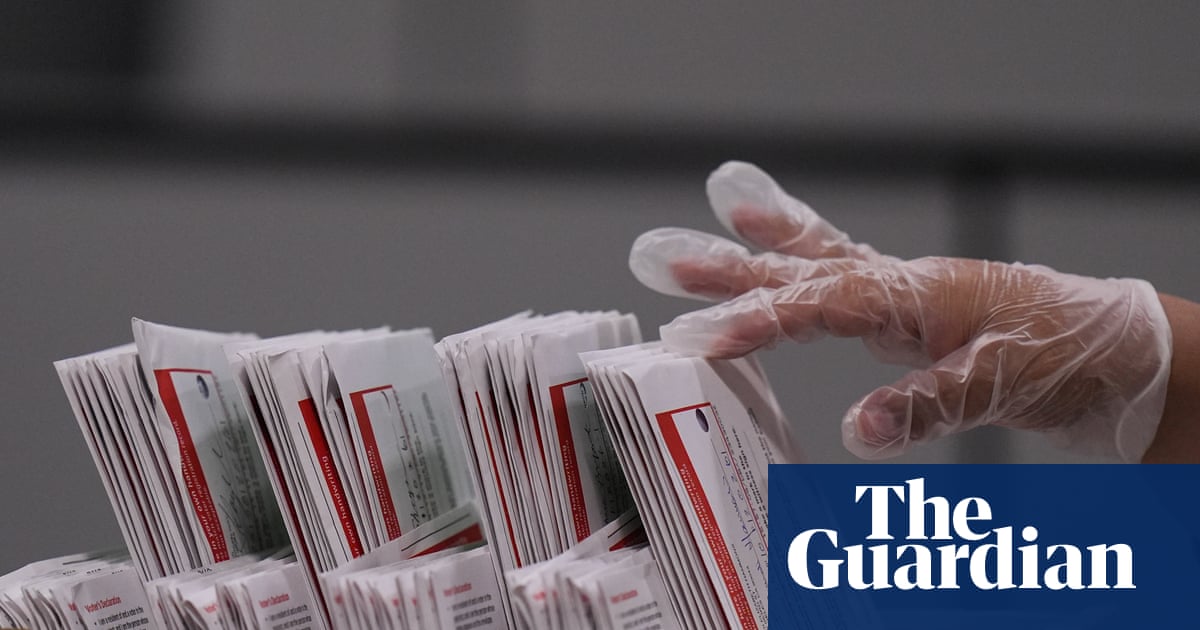
One of the most prominent provisions establishes felony penalties for anyone who seizes ballots or election records. This measure appears to be a direct response to incidents earlier this year involving Riverside County Sheriff Chad Bianco, who took possession of more than 650,000 ballots from a 2025 redistricting special election. By criminalizing such actions, the state aims to prevent local officials from interfering with the chain of custody for voting materials, ensuring that election records remain secure and accessible only to authorized personnel.
The legislation also includes measures to safeguard vote-by-mail processes, which have become a focal point of national political conflict. The new rules extend the operating hours for mail-in ballot drop-off locations, providing voters with greater flexibility and access. Newsom’s office highlighted this provision as a countermeasure against federal attempts to restrict mail-in voting, which the Trump administration has characterized as prone to fraud despite a lack of substantial evidence supporting such claims.
Tensions between state and federal authorities have intensified following recent actions by the Trump administration to impose new requirements on states regarding mail ballots. The administration proposed mandates requiring states to submit lists of approved voters for mail ballots to the United States Postal Service, a move that was recently blocked by the Supreme Court. Newsom framed the signing of these bills as a necessary defense against what he described as dictatorial efforts to disenfranchise millions of voters and exert control over the electoral process.
In addition to physical security measures, the new laws introduce strict parameters for political campaigns interacting with social media influencers. The legislation imposes penalties on individuals who fail to disclose paid political content, aiming to increase transparency in digital advertising. This provision addresses growing concerns about the influence of undisclosed endorsements and the potential for covert manipulation of public opinion through online platforms.
The focus on influencer disclosure follows scrutiny during the recent gubernatorial race, where billionaire philanthropist Tom Steyer faced criticism for compensating thousands of content creators to promote his campaign without proper disclosure. Critics accused Steyer of attempting to buy the race through these undisclosed payments, while his campaign defended the practice as fair compensation for creative work. The new law seeks to prevent similar controversies by ensuring that all paid political messaging is clearly identified to the public.
These legislative actions come against a backdrop of heightened skepticism regarding California’s election processes. President Trump has repeatedly cast doubt on the veracity of the state’s 2026 primaries, alleging without evidence that the slow counting process was an attempt to rig the outcome. Such claims have fueled broader narratives questioning the integrity of elections in key states, prompting officials like Secretary of State Shirley Weber to reaffirm their commitment to protecting democratic institutions.
The signing of these bills represents a strategic move by California to assert its autonomy in election administration while addressing specific vulnerabilities identified in recent electoral cycles. By combining physical security enhancements with digital transparency requirements, the state aims to create a more resilient framework for voting. As the 2026 elections approach, these measures will likely serve as a model for other states seeking to balance accessibility with security in an increasingly polarized political landscape.
While the legislation addresses immediate concerns about ballot security and digital advertising, it also underscores the broader struggle over the future of American democracy. Newsom’s statement emphasized that protecting the right to vote from interference is paramount, suggesting that these laws are part of a larger effort to maintain public trust in electoral outcomes. The effectiveness of these measures will depend on their implementation and the ongoing legal and political battles surrounding election administration at both state and federal levels.
Sources behind this briefing
Go to the original reporting
- The Guardian US Politics↗Gavin Newsom signs election security bills to thwart federal interference by Trump