The short version
- Zimbabwean author Simbarashe Kundizeza has firmly denied using artificial intelligence to write his Caine Prize-winning short story, The Blue Fighter.
- The controversy stems from an Atlantic article by Vauhini Vara, who cited AI detection software and stylistic analysis to suggest the work was machine-generated.
- Prize chair Ellah Wakatama criticized the use of unverified detection tools as final arbiters, warning against using Black writers as test subjects for flawed technology.
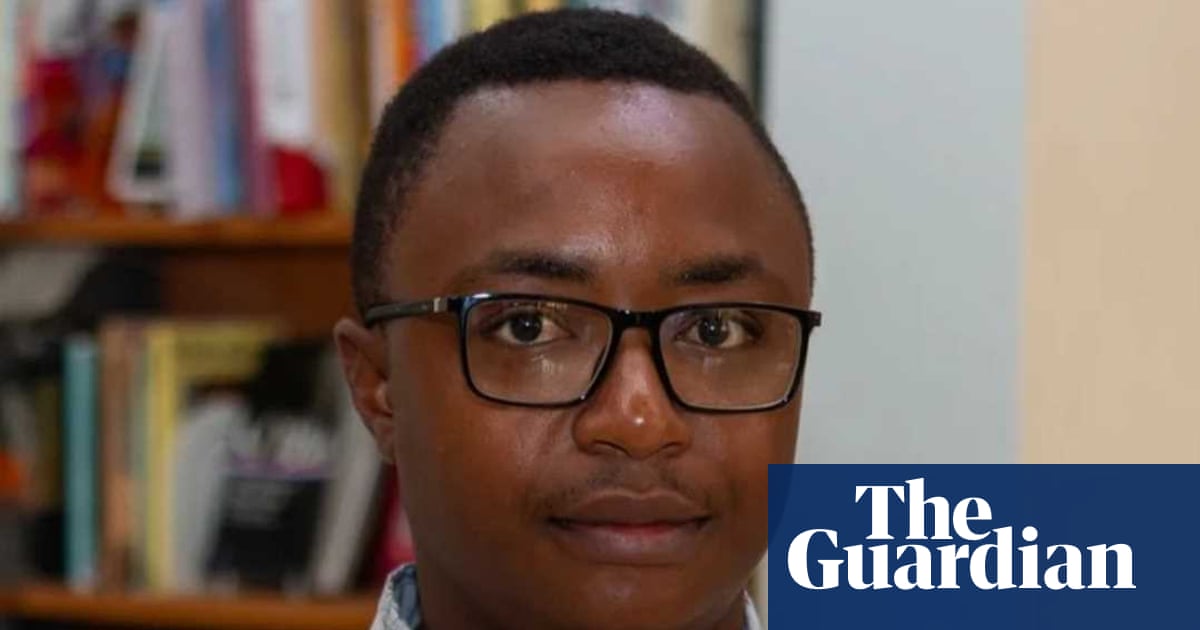
A dispute over the authenticity of a major literary award has emerged after Simbarashe Kundizeza, the Zimbabwean writer who recently won the Caine Prize for African Writers, denied allegations that he used artificial intelligence to compose his winning entry. The controversy began days after the announcement of the winner on October 6, when an article published in The Atlantic accused Kundizeza of relying on generative software to produce The Blue Fighter. The author and journalist Vauhini Vara wrote the piece, arguing that the text exhibited characteristics commonly associated with machine-generated content.
Vara’s assessment relied partly on running the story through Pangram, an AI detection tool that itself utilizes artificial intelligence. According to her report, the software flagged the narrative as almost entirely artificially generated, with the exception of an epigraph attributed to an unpublished poem by South African writer Vangile Gantsho. Vara also pointed to specific stylistic elements she found suspicious, including frequent use of 'not x, but y' sentence structures, an abundance of metaphors, and what she described as platitudinous aphorisms. She characterized the writing as maudlin and reliant on tired tropes, suggesting these markers indicated a lack of human authorship.
Kundizeza responded to the accusations with a direct statement posted on X, asserting that he wrote The Blue Fighter entirely on his own without the aid of generative AI. He emphasized that the work is his own creation and expressed his intention to continue collaborating with the Caine Prize team and celebrating the recognition with those who supported the story’s development. In addressing the criticism regarding stylistic shifts, Kundizeza noted that suggesting a writer cannot evolve their style or improve significantly over several years fundamentally misunderstands the craft of writing. He pointed out that his 2021 work differed tonally from his current submission, a change he attributed to natural artistic growth rather than technological assistance.
The Caine Prize organization has acknowledged the allegations and stated it is reviewing the claims. In a public statement, the prize committee emphasized its responsibility to investigate such matters while maintaining a human-centered approach that supports writers throughout the process. Ellah Wakatama, the chair of the prize, voiced strong skepticism regarding the validity of AI detection software as a definitive measure of authorship. Speaking on BBC’s Front Row radio show, Wakatama criticized The Atlantic for proclaiming the winner a cheater without proper investigation, arguing that relying on such tools undermines the integrity of the evaluation process.
Wakatama highlighted broader concerns about the implications of using unproven technology to judge literary merit, particularly regarding its impact on Black writers. She described the current state of AI detection as rough and ready, warning against allowing these imperfect systems to serve as final arbiters in high-stakes cultural competitions. Her comments reflect a growing unease within literary circles about the potential for bias and error in automated analysis tools, which may disproportionately affect marginalized voices who are often subjected to heightened scrutiny.
This incident is part of a wider pattern of skepticism surrounding recent literary prize winners. In July, Trinidadian writer Jamir Nazir won the Commonwealth Foundation’s short story prize with The Serpent in the Grove, despite social media critics alleging obvious markers of AI involvement. Similarly, Canadian-Haitian author Thélyson Orélien saw his novel C’était Ça Ou Mourir removed from the longlist for France’s prestigious Goncourt Prize after an anonymous online account claimed the book was almost entirely written by AI. These cases illustrate the increasing tension between traditional literary evaluation methods and the rapid integration of generative technologies into creative fields.
Vara defended her position by citing Pangram’s internal research, which suggests that false positives are rare, even for non-native English speakers. She also referenced a peer-reviewed journal article indicating strong accuracy in assessing mock academic papers created with varying degrees of AI assistance. However, she acknowledged to the BBC that there remains relatively little third-party research validating the accuracy of AI detection software across different contexts. This admission underscores the uncertainty surrounding the reliability of such tools when applied to creative writing, where nuance and style play critical roles.
As the Caine Prize team continues its review, the situation highlights the challenges facing literary institutions in an era of advancing generative technology. The debate raises questions about how to balance the need for integrity in award processes with the potential harms of premature accusations based on unverified data. For Kundizeza and other writers, the incident serves as a reminder of the scrutiny they face and the importance of robust, fair investigative practices that respect artistic agency while addressing legitimate concerns about technological misuse.
The outcome of this review could set a precedent for how future literary prizes handle similar allegations. Stakeholders are watching closely to see whether the prize will rely on technical analysis or human judgment in determining authorship. The resolution may also influence broader conversations about the role of AI in creative industries and the standards required to prove originality in an age where digital tools can mimic human expression with increasing sophistication.
Until a final determination is made, Kundizeza maintains his innocence and continues to advocate for the recognition of his work as a product of personal effort and artistic development. The ongoing dialogue between critics, authors, and prize organizers reflects a complex intersection of technology, culture, and ethics that will likely shape the landscape of literary awards in the coming years.
Sources behind this briefing
Go to the original reporting
- The Guardian US↗Zimbabwean author Simbarashe Kundizeza denies using AI to write prize-winning story