The short version
- Republican Byron Donalds defeated Democrat David Jolly to become Florida's first Black governor, succeeding term-limited incumbent Ron DeSantis.
- The race centered on the legacy of DeSantis’s conservative policies versus Democratic promises to address soaring housing and insurance costs.
- Donalds inherits a state with significant economic pressures and a Republican legislature that may assert more independence than in previous years.
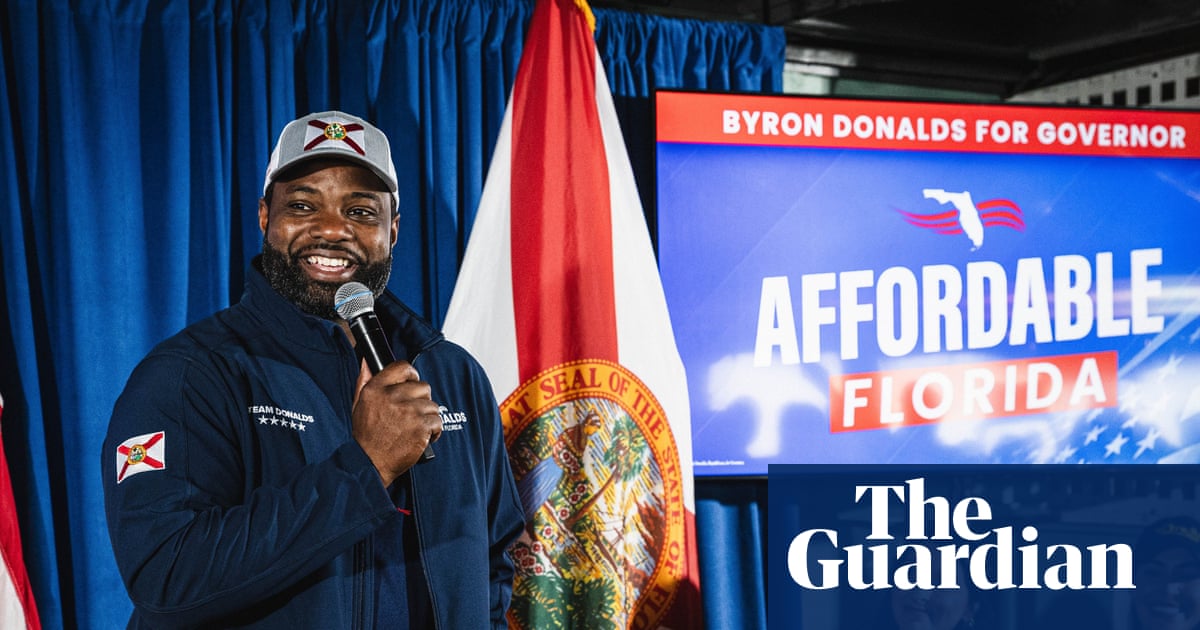
Republican Byron Donalds has secured victory in Florida’s gubernatorial race, positioning him to become the state’s first Black governor. His win concludes one of the most closely watched midterm contests in the nation, marking a significant transition in leadership as he prepares to succeed Ron DeSantis, who is leaving office due to term limits in January. The outcome underscores the enduring influence of national political figures on state-level elections, even as local economic concerns dominate voter sentiment.
Donalds’s campaign strategy relied heavily on aligning himself with the outgoing administration’s record. He characterized his platform as a direct continuation of the policies established during DeSantis’s eight-year tenure, arguing that his opponent sought to dismantle those achievements. This approach allowed Donalds to leverage the endorsement of President Donald Trump, who appeared alongside the candidate at rallies in Fort Myers and Daytona Beach during the final days of the campaign. Despite previous attempts by Donalds to maintain some distance from the president, these high-profile appearances signaled a firm alliance with the national Republican base.
The contest drew substantial attention from both major parties, each viewing Florida as a critical battleground. The Democratic nominee, David Jolly, received endorsements from prominent figures including former President Barack Obama and Bill Clinton, who headlined a fundraiser that generated millions for the campaign. Both sides framed the election as a referendum on DeSantis’s legacy, which included aggressive stances on culture war issues, significant changes to higher education, and strict enforcement of federal immigration policies during Trump’s second term.
Economic anxiety played a central role in shaping voter priorities. Florida has experienced rapid population growth and economic expansion, but these trends have contributed to sharply rising costs for housing and property insurance. Nearly seventy percent of respondents in a September poll identified economic pressures and affordability as their primary concerns. Jolly focused his final advertising efforts on these issues, promising to prioritize cost reduction and advocate directly for residents struggling with the financial burden of living in the state.
Donalds acknowledged the economic challenges but maintained that the existing policy framework was responsible for the state’s success. He warned voters that a change in leadership could reverse the gains made under DeSantis, framing the choice as between stability and uncertainty. This narrative resonated with enough voters to secure his victory, despite the national headwinds facing the Republican party, including widespread dissatisfaction with the Iran conflict and broader cost-of-living issues that had previously threatened solid GOP support in the state.
The political landscape Donalds inherits is complex. While Republicans hold a supermajority in both chambers of the state legislature, there are indications that legislative leaders may seek greater autonomy compared to previous years. Under DeSantis, the legislature often acted as a rubber stamp for executive initiatives. The new governor will need to navigate this potential shift in legislative behavior while managing expectations from his base and addressing the practical needs of a diverse electorate.
The significance of Donalds’s election extends beyond policy implications. As Florida’s first Black governor, he represents a historic milestone in a state with a rich and complex racial history. His ability to bridge the gap between conservative policy goals and the economic realities faced by many Floridians will likely define his tenure. The coming months will reveal how effectively he can balance these competing demands while establishing his own administrative identity separate from his predecessor.
Looking ahead, the focus will shift to the transition period and the early actions of the new administration. Key issues such as housing affordability, insurance reform, and education policy are expected to remain at the forefront of legislative debates. The relationship between the governor’s office and the state legislature will be closely watched, particularly as lawmakers signal a desire for more independent action. Voters will judge Donalds not only on his adherence to conservative principles but also on his capacity to deliver tangible improvements in daily life.
This election result highlights the evolving nature of Florida politics. The state remains a bellwether for national trends, yet local issues continue to drive voter behavior. Donalds’s victory suggests that while national affiliations matter, they must be coupled with a clear message about economic stability and continuity. As he prepares to take office, the challenge will be to translate campaign rhetoric into effective governance in a state that is both booming and strained by its own success.
The broader implications of this race extend to future electoral strategies for both parties. The involvement of high-profile national figures demonstrates the increasing integration of state and federal politics. However, the emphasis on cost-of-living issues indicates that voters remain sensitive to economic conditions regardless of partisan loyalty. Donalds’s administration will need to address these concerns directly to maintain support in a politically competitive environment.
Sources behind this briefing
Go to the original reporting
- The Guardian US Politics↗Trump-endorsed Republican Byron Donalds becomes Florida’s first Black governor
- NPR↗Republican Byron Donalds wins governor's race in Florida