The short version
- Pete Buttigieg visited South Carolina to reconnect with local leaders and voters as he considers a second presidential run.
- The former secretary highlighted federal infrastructure investments in the state to demonstrate his administrative record and policy impact.
- South Carolina is expected to be the first primary contest in 2028, making support from Black voters essential for any Democratic nominee.
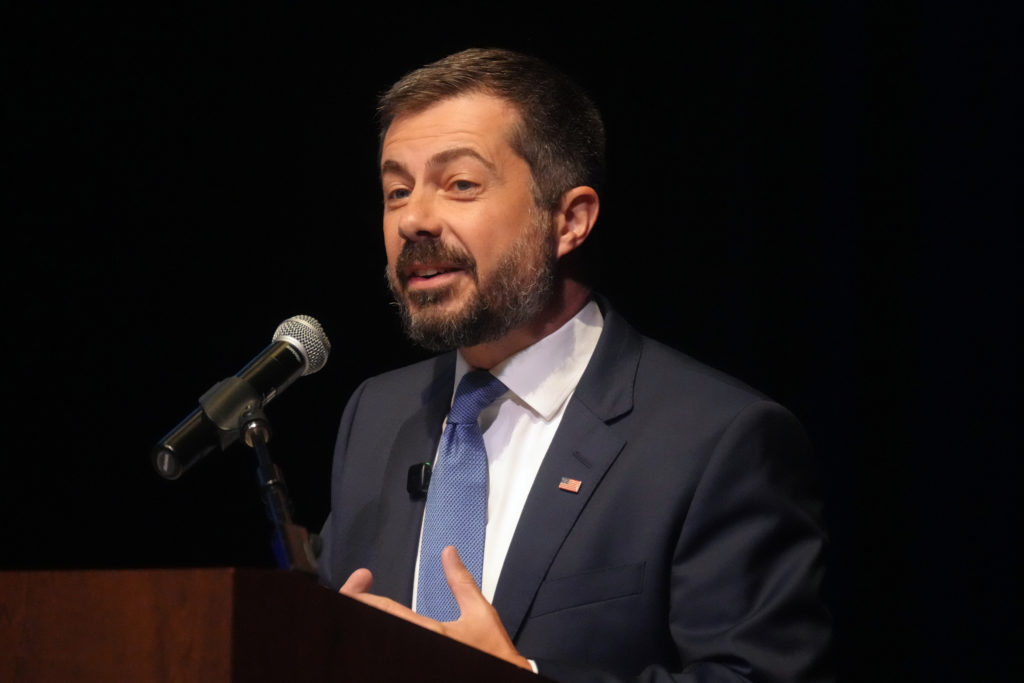
Pete Buttigieg returned to South Carolina this weekend, marking a significant shift from his previous appearance in the state during the 2020 presidential primary. That earlier visit concluded with a fourth-place finish that effectively ended his campaign and highlighted difficulties in connecting with Black voters. This time, the former transportation secretary engaged with community leaders and constituents as he evaluates a potential bid for the White House in 2028. The trip served as both a reintroduction to the electorate and a test of his current political standing.
The reception in Orangeburg was notably warmer than six years ago. Buttigieg received standing ovations at an NAACP Freedom Fund Dinner held in a local church. Attendees acknowledged his role in securing federal funding for regional projects while serving in the Biden administration. One mayor credited Buttigieg with helping bring millions of dollars to the area for downtown revitalization efforts. This positive feedback suggests a measurable improvement in how local leaders view his contributions since leaving office.
South Carolina’s position in the primary calendar has evolved, increasing its influence on the Democratic nomination process. The state is likely to host the first contest in 2028, a change designed to amplify the voice of Black voters at the start of the race. Because this demographic constitutes a majority of the state’s Democratic electorate, securing their support is viewed as a prerequisite for winning the party’s nomination. Political analysts emphasize that candidates must demonstrate broad appeal across racial lines to succeed.
Buttigieg used his appearances to outline a broader political vision, arguing that economic concerns cannot be addressed without reforming political institutions. He suggested that improving household finances requires fixing the structural foundations of governance. This message resonated with some attendees who appreciated the focus on practical solutions and systemic change. The former secretary framed his approach as a necessary evolution from past strategies, emphasizing adaptation to current challenges.
Despite the campaign-like activities, Buttigieg has not committed to running for president again. He told reporters that his immediate focus remains on the 2026 midterm elections. However, the itinerary included fundraising events and policy speeches typical of early primary contenders. He visited Nevada recently, another early-voting state, further signaling his awareness of the upcoming electoral landscape. These moves indicate serious consideration of a future candidacy even without an official announcement.
Local reactions were mixed but generally favorable. Students at Claflin University, a historically Black institution, expressed interest in Buttigieg as a potential candidate while noting a desire for greater representation. Community leaders welcomed his engagement and acknowledged the tangible benefits of federal grants under his tenure. The mayor of Orangeburg described the visit as hopeful, citing the relevance of Buttigieg’s policy discussions to everyday concerns.
The strategic importance of South Carolina cannot be overstated for any Democratic hopeful. Winning over Black voters in this state is seen as a litmus test for viability. Jaime Harrison, a former DNC chair, noted that failing to secure this support makes it impossible to become the party’s nominee. Buttigieg’s efforts to rebuild relationships and highlight his record reflect an understanding of these stakes. His ability to translate past administrative achievements into future electoral success remains to be seen.
As Buttigieg weighs his options, the political environment continues to shift. The emphasis on institutional reform and economic stability aligns with broader Democratic priorities. However, the challenge lies in converting goodwill from specific projects into widespread voter enthusiasm. The upcoming months will likely reveal whether this outreach translates into sustained momentum or remains a preliminary exploration of interest.
The weekend’s events underscored the changing dynamics of Buttigieg’s political career. No longer the young mayor seeking a breakthrough, he now presents himself as an experienced administrator with a track record of delivering resources to communities. This narrative shift appears to be gaining traction in South Carolina, where tangible results are valued. Whether this momentum can carry him through a full primary campaign depends on how he addresses remaining concerns about representation and policy depth.
Looking ahead, Buttigieg’s next steps will clarify his intentions. Continued engagement in early-voting states would suggest a serious bid, while a retreat to focus solely on 2026 issues might indicate hesitation. For now, the former secretary is positioning himself as a viable option for Democrats seeking a candidate who combines executive experience with a vision for institutional renewal. The response from South Carolina voters will provide critical data points in this ongoing calculation.
Sources behind this briefing
Go to the original reporting
- PBS NewsHour↗Pete Buttigieg returns to South Carolina as he weighs another White House run

