The short version
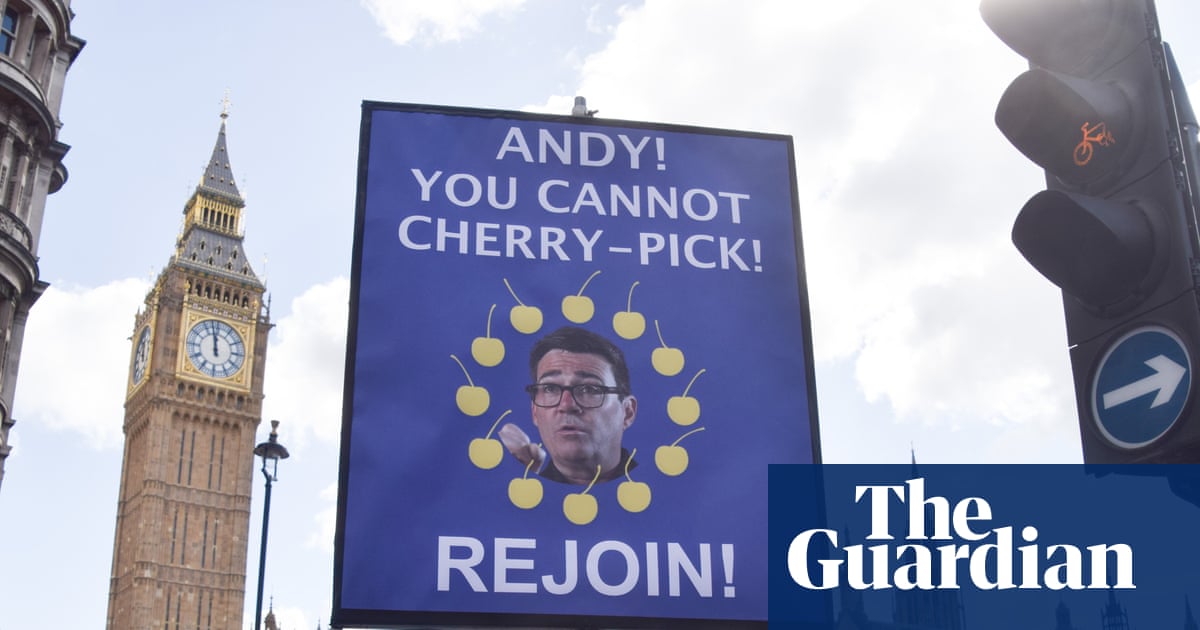
- Andy Burnham has proposed that the UK should weigh its options regarding the European Union, including rejoining.
- He indicated that a Brexit referendum could be included in the Labour Party's election manifesto.
- The suggestion has sparked discussion about reversing Brexit and potential reactions from EU leaders.
Andy Burnham, a prominent figure in UK politics, has reignited the debate over Britain’s relationship with the European Union by suggesting that the country should consider rejoining. In recent statements, Burnham argued that the UK needs to weigh its post-Brexit options carefully, implying that returning to the EU is a viable path forward. This proposal marks a significant shift in the political discourse surrounding Brexit.
Burnham’s comments were made against the backdrop of ongoing economic and social challenges attributed to the UK’s departure from the bloc. He emphasized the need for a serious evaluation of the consequences of Brexit, suggesting that rejoining could offer benefits such as improved trade relations and regulatory alignment. His stance reflects growing dissatisfaction among some segments of the population with the current status quo.
Notably, Burnham hinted that a referendum on rejoining the EU might be included in the Labour Party’s election manifesto. This suggestion has drawn attention from both supporters and critics, who view it as either a necessary correction or a politically risky move. The idea of holding another vote on EU membership underscores the deep divisions within British society regarding its place in Europe.
International reactions to Burnham’s proposal have been varied. Some European leaders have expressed openness to the possibility of Britain returning, with French President Emmanuel Macron reportedly welcoming the idea. However, others remain cautious, citing concerns about sovereignty and the complexities of reintegration. The response from EU officials highlights the delicate balance between political pragmatism and ideological commitment.
Within the UK, Burnham’s comments have sparked intense debate among politicians and citizens alike. Supporters argue that rejoining the EU could restore stability and prosperity, while opponents fear it would undermine national sovereignty and contradict the will of voters who supported Brexit. The issue remains highly polarizing, with strong emotions on both sides.
The Labour Party’s potential inclusion of a referendum in its manifesto signals a strategic gamble. By putting the question back to the public, Burnham aims to address lingering uncertainties about Brexit while appealing to pro-EU voters. However, this approach risks alienating those who strongly oppose any form of re-engagement with the EU.
Critics of Burnham’s proposal argue that it lacks clarity and feasibility. Rejoining the EU would require navigating complex legal and political hurdles, including negotiations on terms of entry and compliance with EU regulations. Additionally, there are questions about whether sufficient public support exists for such a dramatic reversal of policy.
Despite these challenges, Burnham’s intervention has brought renewed focus to the issue of Brexit. It highlights the ongoing tension between those who view the UK’s departure as a mistake and those who see it as an opportunity for greater independence. The debate is likely to intensify as the next general election approaches, with parties positioning themselves on this contentious topic.
As discussions continue, it remains unclear whether Burnham’s proposal will gain traction or fade into obscurity. What is evident, however, is that the question of Britain’s relationship with Europe is far from settled. Whether through rejoining or other forms of cooperation, the UK must find a way to reconcile its domestic priorities with its international obligations.
Ultimately, Burnham’s suggestion serves as a reminder of the profound impact Brexit has had on British politics and society. As leaders grapple with its aftermath, the possibility of rejoining the EU looms large, offering both hope and controversy in equal measure. The coming years will reveal whether this path becomes reality or remains a distant dream.
Sources behind this briefing
Go to the original reporting
- Reuters↗Burnham says UK should weigh post-Brexit EU options, including rejoining
- BBC↗Brexit referendum 'possible' in Labour election manifesto, says Burnham
- politico.eu↗UK’s Burnham says he’ll consider push to rejoin EU
- Japan Today↗Burnham puts idea of Britain rejoining EU on the table