The short version
- Andy Burnham reduced traditional media access during the Commonwealth summit, opting for limited TV appearances instead of a full press contingent.
- The prime minister argues that modern communication requires engaging directly with audiences through social media and podcasts rather than relying on legacy news outlets.
- Critics and former advisers warn that avoiding rigorous questioning by specialist journalists may shield the government from necessary accountability until political pressure mounts.
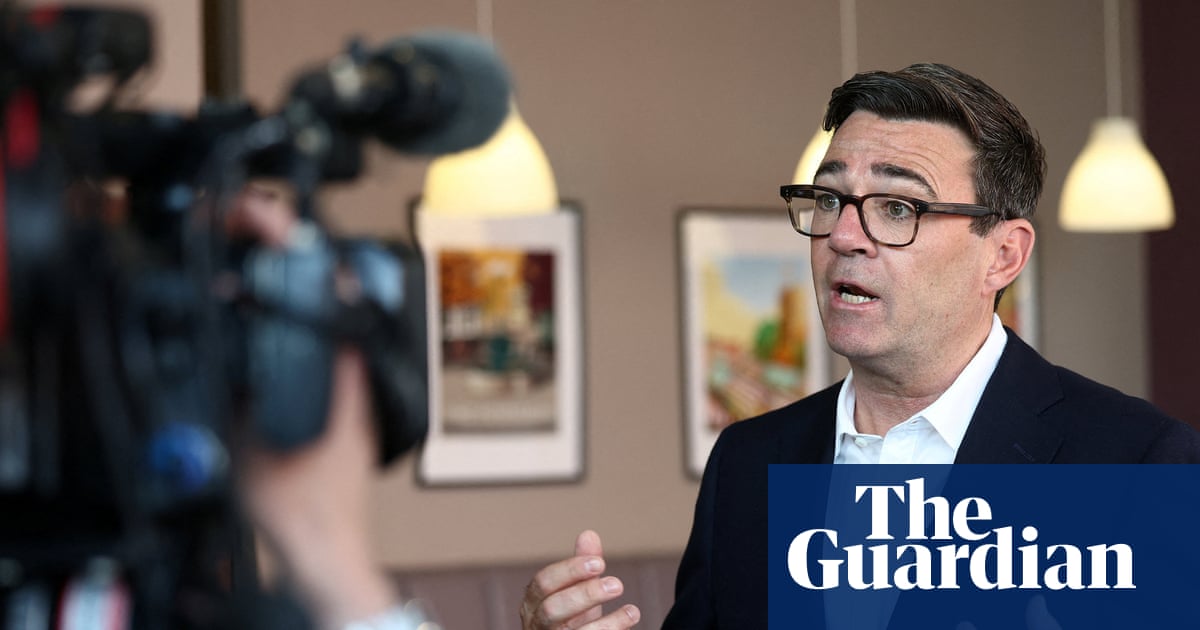
Prime Minister Andy Burnham has significantly altered his approach to media engagement, moving away from traditional press conferences toward a strategy centered on social media content and selective interviews. This shift became particularly evident during his recent attendance at the Commonwealth heads of government meeting, where he departed from established norms by traveling without a full complement of reporters. Instead of bringing the usual pack of journalists who typically accompany the prime minister to international events, Burnham brought only a single television crew and one news agency correspondent.
The reduction in media access resulted in minimal direct questioning during the summit. Over three days of proceedings, which included discussions on sensitive topics such as slavery reparations and coincided with major global political events like the US midterm elections, Burnham faced approximately seven and a half minutes of media questions. These interactions were limited to two brief chats with BBC reporters. Downing Street officials have defended this arrangement, noting that the summit offered restricted access to journalists generally and pointing out that the prime minister had participated in other media events prior to the trip.
This approach marks a distinct departure from previous administrations. At the last Commonwealth summit in 2024, Prime Minister Keir Starmer traveled with a full press contingent and submitted himself to both a formal press conference and an informal on-record question-and-answer session aboard the government plane. That format allowed each traveling journalist to pose questions directly to the leader, covering a wide range of topics from global affairs to domestic policy details. Burnham’s team has been unapologetic about abandoning this model in favor of what they describe as more effective modern communication methods.
Burnham has publicly stated that traditional media is less relevant in today’s landscape, suggesting that the world no longer operates according to the rules set by legacy news organizations. He expressed frustration with commentators who he felt dictated public perception from Westminster, arguing that his new strategy allows him to connect more directly with citizens, particularly younger demographics who may feel alienated from conventional politics. His communications team has embraced a diverse output mix, ranging from traditional camera addresses to lighter content such as a YouTube video featuring the prime minister and Chancellor John Healey ranking pub snacks.
Supporters of this strategy argue that it reflects an adaptation to how news is consumed in the digital age. Burnham told ITV that he hopes such varied content helps bridge the gap between government and the public. Downing Street maintains that the prime minister does not avoid scrutiny, citing recent longer-form interviews and a rigorous questioning session on ITV’s Good Morning Britain as evidence of his willingness to face tough questions. They emphasize that brief clips or podcast appearances are part of a broader effort to remain accessible rather than an attempt to evade accountability.
However, political observers and former media advisers have raised concerns about the potential consequences of this shift. Critics argue that lifestyle podcasts and short television segments are inherently less demanding than full press conferences with specialist journalists who can probe deeply into policy details. One former adviser noted that while this approach might work when political conditions are favorable, it could backfire if the government faces significant challenges. The media, they warned, tends to act collectively when it feels shut out, potentially leading to harsher criticism if scrutiny is perceived as being blocked.
The risks of avoiding traditional press engagements are well documented in recent British political history. On-plane media huddles, while unpredictable, provide a structured opportunity for journalists to ask direct questions on any topic. Past prime ministers have faced significant repercussions from remarks made during these sessions. For instance, Theresa May’s comments about fighting the next election during a flight to China in 2018 galvanized critics within her own party. Former press secretary Paul Harrison described these interactions as high-wire acts that can produce headlines with lasting impact, regardless of whether the answers are delivered en route to a summit or back home.
Liberal Democrat MP Liz Jarvis, a former journalist and member of the culture, media and sport select committee, acknowledged the need for politicians to adapt their communication styles but expressed concern that Burnham appears to be shielded at times. She noted that while the prime minister is a skilled orator, some of his responses during Prime Minister’s Questions lack substantive detail. Jarvis warned that the current honeymoon period cannot last indefinitely and that the government will eventually be held to account. As political pressures increase, the absence of rigorous daily scrutiny from specialist journalists may leave the administration vulnerable to sudden and intense media backlash.
Sources behind this briefing
Go to the original reporting
- The Guardian World↗Does Andy Burnham’s pivot from press to social media put scrutiny at risk?


