The short version
- Prime Minister Andy Burnham aims to shift the national mood from division to hope during the Labour Party conference in Liverpool.
- The government faces immediate fiscal pressure from rising energy costs, defense spending needs, and a strained social care system.
- Burnham must navigate internal party divisions over North Sea oil drilling while maintaining a cautious stance on early elections.
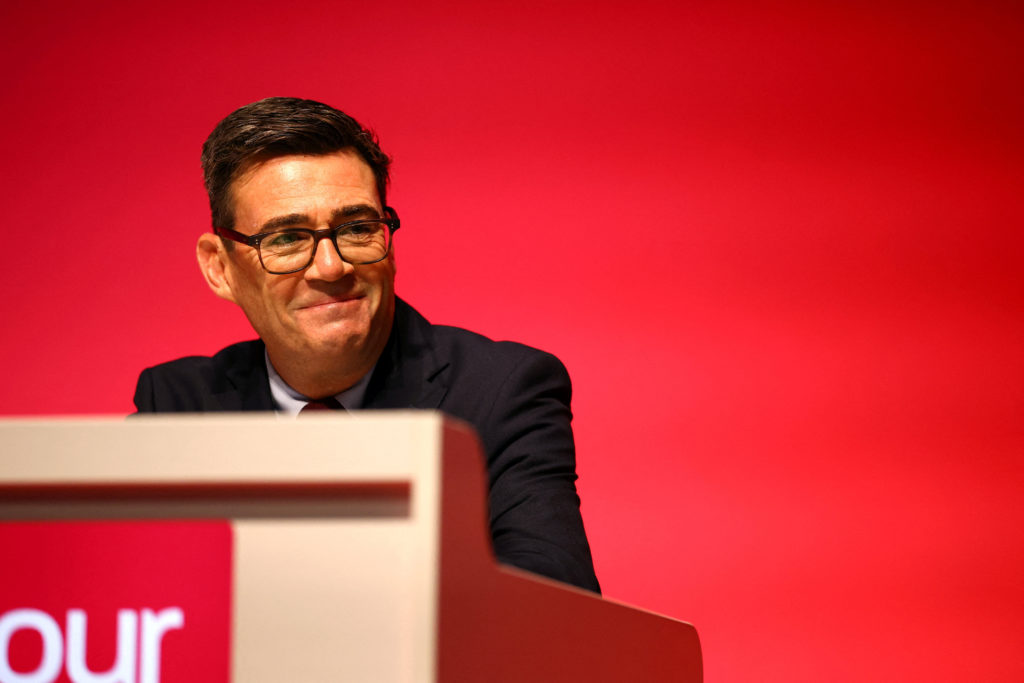
British Prime Minister Andy Burnham arrived in Liverpool for the Labour Party’s annual conference with a clear objective: to signal an end to years of political instability and economic uncertainty. Taking the stage just two months after assuming leadership, Burnham sought to project confidence to both his party members and a public weary from a decade of turbulence following the Brexit vote. His central message emphasized renewal, framing his administration as a break from the drift that characterized recent British politics. The gathering served as a critical moment for the governing party to demonstrate cohesion after a period marked by internal panic and leadership change.
The transition to Burnham’s premiership has generated a modest surge in public optimism, often referred to as a bounce, driven by his upbeat rhetoric and initial policy adjustments. These early moves include reducing taxes on electricity bills and capping bus fares, measures designed to provide immediate relief to households. This approach contrasts sharply with the gloom that pervaded last year’s conference, when concerns over predecessor Keir Starmer’s unpopularity and the rise of the Reform UK party dominated discussions. Burnham’s presence aims to capitalize on this renewed interest while addressing the underlying anxieties that remain among voters.
Despite the optimistic tone, the economic landscape presents significant challenges. Political analysts note the difficulty of delivering substantial improvements within a constrained fiscal environment. The government must balance the desire for growth with the reality of limited resources. Experts have highlighted the tension between promising robust outcomes and operating under strict budgetary limits. This dynamic requires careful management of expectations, as the administration seeks to convince a skeptical electorate that meaningful change is possible without overpromising on deliverables.
Global events are adding further complexity to domestic policy decisions. Conflict in the Middle East has disrupted oil tanker movements through the Strait of Hormuz, contributing to rising energy prices and inflationary pressures. These external shocks impact the cost of government borrowing and complicate efforts to stabilize the economy. Additionally, the need to increase defense spending in response to threats from Russia places additional strain on public finances. The Treasury is preparing for a budget announcement later in October, which will likely address these mounting costs while attempting to maintain essential services.
Domestic priorities include reforms to privatized utilities, particularly the water sector, which has faced criticism for inefficiency and environmental impact. Burnham has also pledged to tackle housing affordability through government-backed loan plans for first-time buyers. Strengthening the National Health Service and establishing a national care service are key components of his agenda, aimed at addressing long-standing issues in social care. However, funding these initiatives may require difficult choices regarding tax increases or spending cuts, creating potential friction within the party and among voters.
Internal divisions loom over specific policy areas, notably the decision on new oil drilling in the North Sea. Environmentalists oppose such projects, while trade unions support them for job security reasons. This conflict highlights the broader challenge of balancing economic growth with environmental responsibilities. Additionally, immigration policies agreed upon under the previous leadership continue to draw scrutiny, as efforts to restrict permanent settlement face pushback from various quarters. Navigating these contentious issues will require delicate diplomacy and clear communication.
Speculation about an early general election has emerged, fueled by Labour’s recent revival in public opinion. However, Burnham has firmly dismissed such talk, emphasizing that the next election is not due until 2029. His focus remains on implementing immediate reforms and stabilizing the political climate rather than seeking a premature mandate. The opposition Reform UK party faces its own challenges, including investigations into its finances, though it has received significant funding from cryptocurrency investors. This dynamic adds another layer of complexity to the political landscape.
Looking ahead, Burnham’s ability to deliver on his promises will depend on managing both internal party dynamics and external economic pressures. The upcoming budget will be a critical test of his administration’s priorities and fiscal discipline. While closer ties with the European Union are being explored to ease trade barriers, commitments made during the previous election limit the scope for rejoining the bloc or its single market. The coming months will reveal whether the current optimism can translate into tangible improvements for British citizens.
Sources behind this briefing
Go to the original reporting
- PBS NewsHour↗British PM Andy Burnham brings good vibes to his party's annual conference, but tough choices are coming

