The short version
- Andy Burnham has explicitly rejected calls for an early general election, stating the next contest will occur in 2029 as scheduled.
- Internal Downing Street discussions and recent polling data showing Labour leading had fueled speculation about a potential snap vote.
- The prime minister is focusing on policy implementation, including water industry reforms, and has declined exclusive interviews with The Sun.
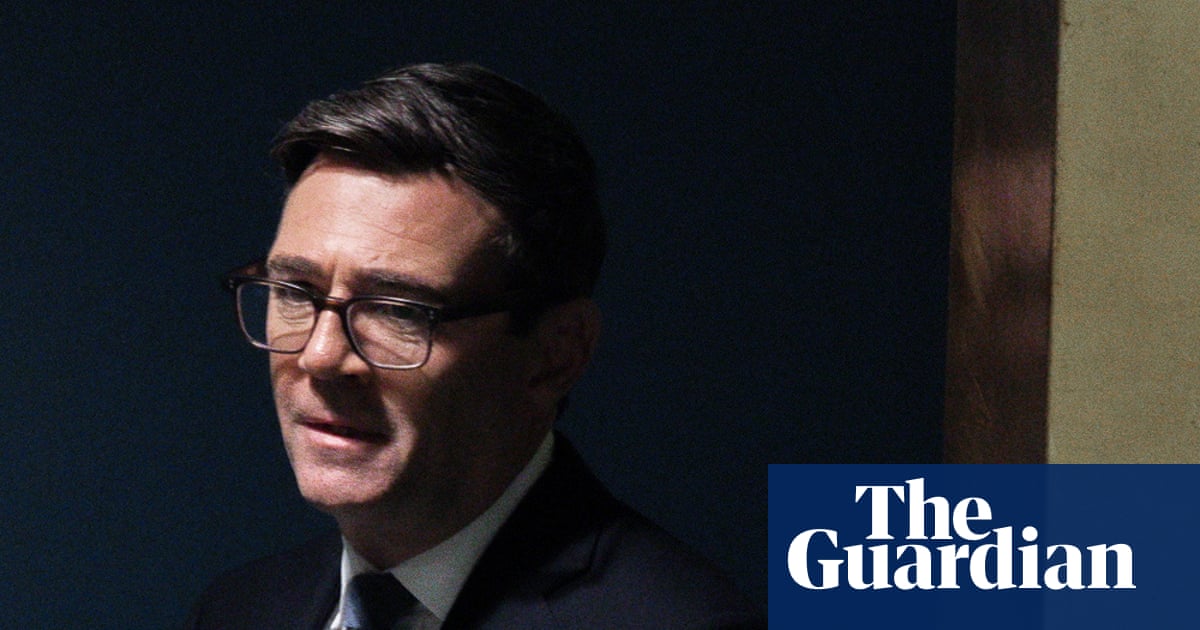
Prime Minister Andy Burnham has firmly dismissed speculation regarding an early general election, confirming that the next national vote will take place in 2029. This declaration comes after a period of intense media scrutiny and internal party debate concerning whether Labour’s recent resurgence in public opinion polls presented a strategic opportunity for an immediate contest. During a series of broadcast interviews with regional media outlets on Friday, Burnham addressed questions about the timing of the next election with increasing resolve. He initially expressed little temptation to call an early poll but later emphasized that he would definitively end such speculation, asserting his commitment to governing rather than engaging in what he characterized as self-serving political maneuvering.
The prime minister argued that calling an election prematurely would prioritize political gain over the substantive work required by his administration. He stated that voters expect him to focus on delivering on the promises and discussions that brought Labour to power, rather than disrupting the legislative agenda for electoral advantage. By ruling out an early contest, Burnham aims to stabilize expectations and direct attention toward the government’s immediate policy objectives. This stance contrasts with the growing chatter within Westminster circles, where advisers and members of parliament had reportedly been weighing the merits of an early vote amid shifting political dynamics.
Speculation about a snap election intensified following recent polling data indicating that Labour had moved into the lead with support levels in the low twenties. The Conservatives and Reform UK were reported to be trailing closely behind, creating a competitive landscape that some within the party viewed as favorable for an immediate challenge. However, sources indicated that despite these polling advantages, there were concerns about the stability of Labour’s position. Reports suggested that even if the right-wing vote remained fragmented, Labour risked losing its parliamentary majority and potentially needing to form a coalition government, which could complicate governance.
Adding to the narrative of heightened political activity was the revelation that Ravinder Athwal, the economist responsible for drafting Labour’s 2024 manifesto, had taken on a senior advisory role with Chancellor John Healey. Athwal, who previously worked at Flint Global and helped design Keir Starmer’s five key missions, is now assisting in strengthening the chancellor’s team ahead of the upcoming budget. This personnel move was interpreted by some as evidence that the party was accelerating its preparations for a potential campaign. Nevertheless, Burnham’s public statements have consistently downplayed any intention to capitalize on short-term polling boosts, maintaining that the focus remains on long-term governance.
The political landscape has seen significant shifts since Burnham assumed leadership in the summer, replacing Keir Starmer. All major parties have increased their campaign preparations in anticipation of a possible early election, but Burnham has repeatedly ruled out this scenario both before and after taking office. His recent interviews highlighted his intention to use the upcoming Labour conference as a platform for policy announcements rather than electoral posturing. A central theme of his anticipated speech will be the introduction of a new model for the water industry, aimed at increasing public control and addressing long-standing issues with service quality and pricing.
Burnham criticized the current state of the water sector, describing the past thirty years of management as inadequate and detrimental to consumers. He emphasized that the government is committed to implementing changes that will better serve the public interest. This policy focus aligns with his broader strategy of demonstrating effective governance through tangible results rather than political theater. The prime minister’s approach seeks to consolidate support by delivering on key promises, thereby building a stronger foundation for the party’s future electoral prospects without the risks associated with an early vote.
In addition to policy announcements, Burnham confirmed that he would not grant any exclusive interviews or articles to The Sun newspaper. This decision reflects a broader stance of solidarity with victims of the Hillsborough disaster, responding to the publication’s historical coverage of the 1989 tragedy which falsely blamed Liverpool fans for the deaths. The newspaper has since apologized for its role in spreading misinformation during that period. By declining engagement with The Sun, Burnham underscores a commitment to ethical journalism and respect for those affected by past media failures.
Recent polling data released by Survation and 38 Degrees, conducted in Burnham’s first month as prime minister, revealed a notable shift among left-leaning voters back toward Labour. This trend has been cheered by party members who see it as validation of Burnham’s leadership style. The research indicated that progressive voters are increasingly motivated to support Labour as a means to counter the rise of Reform UK and Nigel Farage. While tactical voting could potentially push Reform into fourth place and bring Labour closer to a majority, the prime minister remains focused on steady governance rather than exploiting these temporary advantages.
As the Labour conference approaches in Liverpool, the party is looking to capitalize on Burnham’s popularity while maintaining a disciplined message about policy delivery. The combination of polling gains, internal strategic discussions, and external media speculation has created a complex environment for the government. However, Burnham’s clear rejection of an early election provides a degree of certainty for both policymakers and the public. The focus now shifts to how effectively the administration can implement its agenda, particularly in areas like water reform, while navigating the ongoing challenges of a fragmented political landscape.
The decision to wait until 2029 for the next general election allows the government time to address pressing issues without the distraction of a campaign cycle. It also provides an opportunity to assess the long-term impact of recent policy changes and economic conditions. While some within the party may have favored testing the waters earlier, Burnham’s insistence on focusing on governance suggests a belief that sustained performance will yield better electoral results than a risky early gamble. The coming months will likely see continued efforts to solidify support among progressive voters while managing relations with other political actors.
Sources behind this briefing
Go to the original reporting
- The Guardian World↗No general election before 2029, Andy Burnham says

