The short version
- Prime Minister Andy Burnham will hold his first bilateral meeting with President Donald Trump during the United Nations General Assembly, marking a shift from his previous refusal to engage with the former president.
- Key agenda items include securing interceptor missiles for Ukraine and addressing the economic fallout from blocked shipping routes in the Strait of Hormuz following the U.S.-Iran conflict.
- The summit occurs against a backdrop of strained transatlantic relations, with disagreements over energy policy, trade regulations, and the status of Israeli settlements complicating efforts to restore diplomatic rapport.
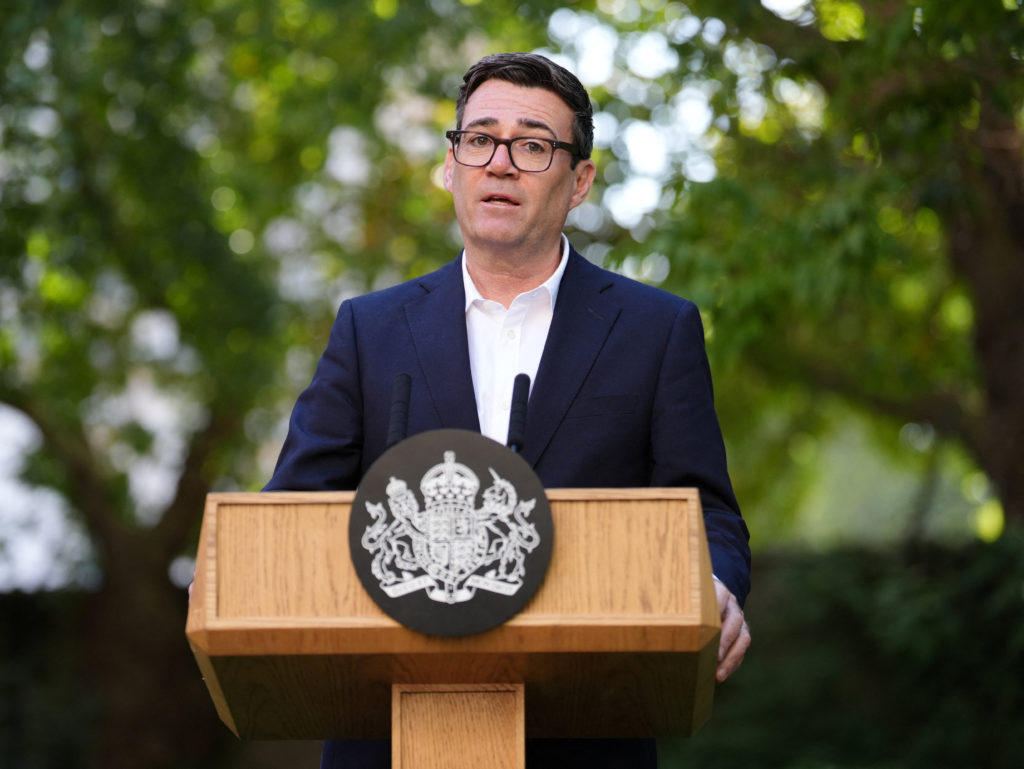
Andy Burnham is preparing for his inaugural meeting with U.S. President Donald Trump on the sidelines of the United Nations General Assembly in New York. The encounter marks a significant departure from the British prime minister’s past stance, as he previously declared he would refuse to engage with Trump during his tenure as mayor of Greater Manchester. Now leading the center-left Labour government since July, Burnham has adopted a more pragmatic approach, emphasizing the necessity of finding common ground despite deep political differences.
The diplomatic engagement comes at a critical juncture for international security and economic stability. Burnham intends to prioritize discussions on Ukraine, specifically urging the U.S. administration to provide interceptor missiles to strengthen Ukrainian air defenses before the onset of winter. This request aligns with his recent visit to Kyiv, which remains his only foreign trip since assuming office. The push for military support reflects a broader European effort to maintain pressure on Russia while navigating the complexities of American foreign policy under the current administration.
Economic concerns also dominate the agenda, particularly regarding the Strait of Hormuz. The waterway has been largely closed since the outbreak of war between the United States and Israel with Iran in February, causing a sharp spike in global oil prices. This disruption poses a significant challenge to Burnham’s efforts to revitalize Britain’s sluggish economy and alleviate cost-of-living pressures for citizens. Restoring free movement through this critical shipping route is viewed as essential for stabilizing energy markets and reducing inflationary risks.
The relationship between the two leaders has been characterized by a mix of personal cordiality and policy friction. Trump has described Burnham as a pleasant individual, yet he has simultaneously challenged British sovereignty by expressing support for Irish unification and questioning the future of the Falkland Islands. These comments have created an awkward dynamic, requiring Burnham to navigate territorial sensitivities while maintaining a functional working relationship with Washington.
Domestic political pressures further complicate Burnham’s position. Labour Party officials acknowledge that the U.K. and the U.S. operate from different political traditions, meaning agreement on every issue is unlikely. Bridget Phillipson, chairwoman of the Labour Party, emphasized that maintaining the transatlantic alliance remains critical for national interests, even when policy divergences arise. This pragmatic stance contrasts with the more conciliatory approach taken by Burnham’s predecessor, Keir Starmer, who sought to flatter Trump and secured a trade deal in early 2025.
However, Starmer’s strategy faced setbacks when Trump grew critical of the U.K.’s refusal to join the Iran conflict and its immigration and green-energy policies. Trump has repeatedly urged Britain to expand oil drilling in the North Sea, a move that conflicts with current environmental regulations. Burnham is expected to announce a decision soon regarding new oil and gas fields off Scotland, a choice that could either appease American demands or reinforce British climate commitments.
Trade tensions are also anticipated, particularly concerning Britain’s ban on commerce with Israeli settlements in the occupied West Bank and its regulatory stance toward major American technology firms. Olivia O’Sullivan of the Chatham House think tank noted that Burnham faces a delicate balancing act. He must advocate for European positions on Ukraine and highlight concerns about Gaza without allowing these issues to become irreconcilable points of contention with the U.S. government.
The broader geopolitical context involves a shift in how middle powers are responding to American unilateralism. With Canadian Prime Minister Mark Carney leading efforts to forge closer alliances, Burnham aims to position Britain as a bolder actor on the world stage. This includes attempting to repair ties with Europe that were severed following Brexit in 2020. Critics, including Liberal Democrat leader Ed Davey, argue that Burnham should adopt a firmer tone, suggesting that assertiveness is the only language Trump respects.
As the summit approaches, the focus remains on whether Burnham can secure tangible commitments on defense and trade while managing domestic expectations. The outcome of these talks will likely influence the trajectory of U.K.-U.S. relations in the coming months, especially as Trump engages with other global leaders, including Chinese President Xi Jinping. The ability to navigate these complex dynamics without alienating either American allies or European partners will define Burnham’s early tenure on the international stage.
Sources behind this briefing
Go to the original reporting
- PBS NewsHour↗British PM Burnham set to meet Trump for first time at UN in New York

