The short version
- Andy Burnham has committed an extra £100 million to tackle rough sleeping, aiming for a nationwide reduction by Christmas.
- The initiative relies on cooperation from local councils, charities, and faith groups, as government funds alone are deemed insufficient.
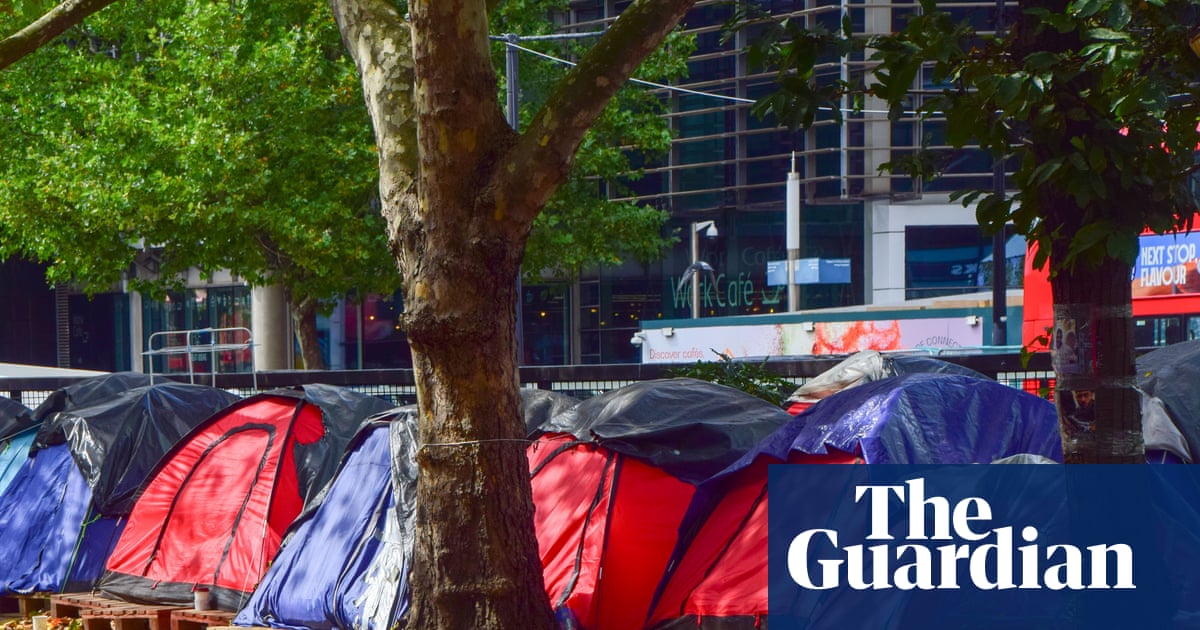
- Official statistics show a record 4,793 people sleeping rough in England during autumn 2025, marking the fourth consecutive annual increase.
Prime Minister Andy Burnham has issued a comprehensive directive to eradicate rough sleeping across England before the upcoming Christmas season. Speaking during a visit to the north-east of England, he framed the effort as a collective national responsibility that extends beyond government intervention. The strategy involves a significant financial injection alongside a call for active participation from local authorities, charitable organizations, and community groups. Burnham emphasized that while public funds are critical, they cannot single-handedly resolve the crisis without broader societal engagement.
The core objective is to ensure every individual experiencing homelessness receives an offer of accommodation before winter sets in. This approach mirrors the emergency housing measures implemented during the coronavirus pandemic, which successfully reduced street sleeping through coordinated action. Burnham argued that the same level of urgency and cooperation can be replicated now. He acknowledged that not every person on the streets will accept assistance immediately due to personal reasons, but the goal remains to maximize outreach and provide universal access to shelter options.
To support this initiative, the government has allocated an additional £100 million specifically for winter homelessness prevention. This funding is designed to facilitate a unified national response rather than isolated local efforts. Burnham noted that previous successes in Greater Manchester, where he served as mayor, demonstrated the effectiveness of targeted support but also highlighted the limitations of regional-only solutions. When Manchester introduced robust emergency accommodation schemes, rough sleeping numbers initially dropped but later rose again as individuals from other areas traveled to access those services.
The prime minister explained that this migration of vulnerable populations underscores the need for a synchronized national strategy. If only certain regions provide high levels of support, they become magnets for those in need elsewhere, straining local resources and failing to address the root causes nationwide. The new funding aims to level the playing field, ensuring all areas contribute equally to the solution. By pulling in the same direction, the government hopes to prevent the displacement issues that undermined earlier localized successes.
Beyond immediate shelter, the campaign addresses the broader economic impact of homelessness. Burnham pointed out that leaving individuals on the streets often results in higher costs for the state due to frequent visits to emergency departments, hospital admissions, and interactions with law enforcement. Providing stable housing is presented not just as a moral imperative but as a fiscally responsible measure that reduces long-term public expenditure on health and social services. This argument seeks to build support across political and economic lines by highlighting the efficiency of preventative care.
To coordinate these efforts, Burnham plans to host a summit this autumn involving leaders from business, finance, healthcare, faith communities, and the charitable sector. The meeting will focus on defining specific roles for each stakeholder in ending rough sleeping. This multi-sector approach reflects the belief that homelessness is a complex issue requiring diverse solutions. By engaging private industry and religious organizations, the government aims to leverage additional resources and expertise that public agencies may lack.
In a personal gesture to underscore his commitment, Burnham announced he will donate 15% of his additional prime ministerial salary to causes tackling homelessness. This mirrors his previous practice as mayor of Greater Manchester, where he contributed a similar portion of his income to local anti-homelessness initiatives. He also continues to donate part of his constituency MP salary to local organizations in Makerfield. Burnham stated that he wishes to lead by example and would not ask others to take action without demonstrating personal investment in the cause.
The urgency of this campaign is underscored by recent official statistics. Data published in February revealed that 4,793 people were sleeping rough on a single night in autumn 2025, setting a new record for England. This figure represents the fourth consecutive year of increases, with London and the south-east accounting for 43% of those individuals. The rising trend has made rough sleeping appear normalized to many observers, prompting Burnham to describe it as something that feels like part of the everyday scenery. The government now faces a clear metric by which its success will be judged.
Critics and supporters alike will watch closely to see if this coordinated approach can reverse the upward trajectory of homelessness. The challenge lies in translating funding and political will into tangible results on the ground. While the pandemic response showed that rapid mobilization is possible, sustaining long-term solutions requires more than emergency measures. The coming months will test whether the alliance between government, civil society, and private sector partners can deliver lasting change for some of the most vulnerable members of British society.
As the winter approaches, the focus remains on immediate action to get people off the streets. The combination of financial resources, cross-sector collaboration, and political pressure aims to create a safety net that prevents individuals from falling through the cracks. Whether this initiative can achieve its ambitious goal of eliminating rough sleeping by Christmas will depend on the speed of implementation and the willingness of all involved parties to prioritize this issue above competing demands.
Sources behind this briefing
Go to the original reporting
- The Guardian World↗Andy Burnham calls on wider society to help end homelessness by Christmas

