The short version
- Andy Burnham’s foreign policy approach shows strong continuity with previous administrations, maintaining strict boundaries regarding EU single market membership.
- While domestic priorities currently dominate the agenda, growing global instability threatens to force international crises onto the government’s immediate attention.
- Relations with Washington remain pragmatic and focused on security integration, while support for Ukraine persists as a rare bipartisan consensus across recent political shifts.
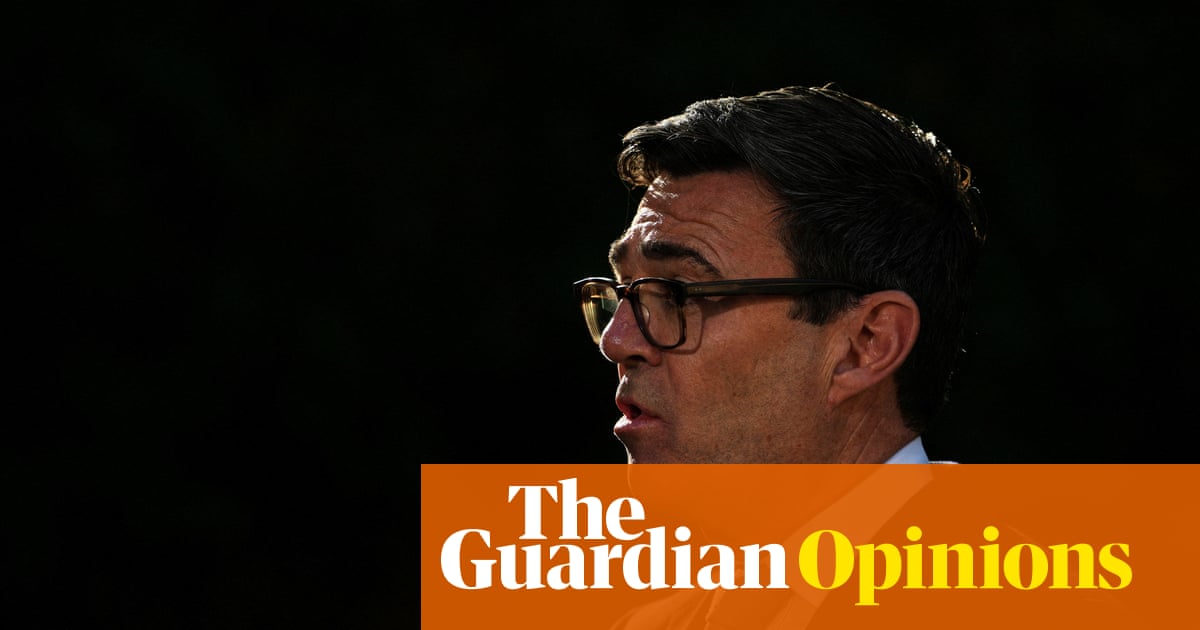
The transition of power within the British government has brought Andy Burnham to Downing Street, yet his approach to international relations appears defined more by constraint than by innovation. Observers note that the new prime minister’s foreign policy stance reflects a significant degree of continuity with the administration of Sir Keir Starmer, rather than a sharp departure from established norms. This stability in diplomatic posture stands in contrast to the volatility that has characterized domestic British politics over recent years. As global turbulence intensifies, the expectation is that Burnham will need to articulate a clearer vision for Britain’s role on the world stage, even as he remains bound by previous political commitments.
Central to this constrained mandate are the enduring red lines regarding Europe. The prohibition against rejoining the European single market or customs union remains firmly in place, a legacy of the hard Brexit framework established under Boris Johnson. Although Keir Starmer increasingly attributed Britain’s economic difficulties to the terms of departure from the EU, his ability to reverse course was limited by manifesto pledges that precluded substantial directional changes. Burnham has accepted these same parameters as part of his inherited electoral mandate, leaving little scope for renegotiating the fundamental nature of the UK’s relationship with Brussels.
Transatlantic relations present a different dynamic, characterized by pragmatic engagement rather than personal rapport. The new foreign secretary, Ed Miliband, has initiated dialogue with Marco Rubio, his counterpart in Washington. This interaction underscores the dense integration of defense and security matters between London and Washington, which necessitates that incoming UK leaders cultivate functional bonds with whoever occupies the White House. Unlike previous eras marked by performative warmth with Donald Trump, the current administration adopts a cooler, more practical tone. This shift reflects a broader recognition that security dependencies require steady, reliable cooperation regardless of ideological differences.
Support for Ukraine remains one of the few consistent threads across multiple administrations and political parties. Despite the frequent changes in leadership at Downing Street, the commitment to aiding Ukraine against Russian aggression has held firm. This position, originally championed by Boris Johnson, has survived four transfers of power, demonstrating a rare area of bipartisan agreement. Such continuity suggests that certain geopolitical realities transcend domestic political maneuvering, forcing leaders to maintain steady courses even when other aspects of policy fluctuate.
The process of rebuilding functional relations with European neighbors actually began before the 2024 general election, during the tenure of Rishi Sunak. His administration negotiated the Windsor framework for Northern Ireland and abandoned legislation that threatened to destabilize businesses by removing retained EU laws without a replacement plan. Kemi Badenoch, then business secretary, executed this reversal despite facing pressure from Eurosceptic factions within her own party. These moves indicated an early recognition that pragmatic adjustments were necessary to mitigate the economic fallout of Brexit, even if such pragmatism was not widely celebrated at the time.
Since leaving office, the Conservative Party has retreated into an ideological comfort zone, showing little interest in acknowledging the practical challenges posed by Brexit. Relieved of governing responsibilities, the party has been unwilling to engage with the merits of pragmatic solutions regarding Europe. Meanwhile, the Labour government finds itself locked into a narrative that blames economic woes on the departure terms while simultaneously being unable to alter those terms significantly. This creates a political tightrope where leaders must manage public perception without offering substantive policy reversals.
Burnham’s current focus remains heavily tilted toward domestic issues, which are far more salient to voters than complex geopolitical strategies. This prioritization is rational for a new leader seeking to win over skeptical constituents who are primarily concerned with local economic conditions and social services. However, the global environment is increasingly unstable, with conflicts and economic headwinds showing no signs of abating. International crises have a tendency to spill over into domestic politics, creating pressure for government action that cannot be ignored indefinitely.
As global strife continues to generate economic pressures, Burnham’s ability to connect his domestic agenda with a coherent international strategy will become increasingly important. The advantage he holds in connecting with audiences close to home may degrade if he fails to address the broader context of global engagement. While there is no expectation of a sudden rupture with Washington or a dramatic reconciliation with Brussels, the need for a defined place in the world remains urgent. The coming months will likely test whether the current strategy of continuity and constraint can withstand the pressures of an unpredictable international landscape.
The density of security integration means that regardless of ideology, UK leaders must invest time in maintaining strong ties with Washington. This reality limits the scope for dramatic shifts in foreign policy, forcing administrations to work within established frameworks. For Burnham, this means navigating a path that honors past commitments while preparing for inevitable international disruptions. The challenge lies in balancing domestic priorities with the unavoidable demands of global engagement, ensuring that Britain remains stable and secure amidst ongoing worldwide turbulence.
Ultimately, the current foreign policy landscape offers little room for innovation but requires steady management. The red lines regarding Europe are fixed, and the necessity of transatlantic security cooperation is non-negotiable. Support for Ukraine continues as a stabilizing factor in international relations. As global volatility persists, the pressure on Burnham to define Britain’s place in the world will only increase. His success will depend on his ability to integrate domestic goals with a realistic assessment of international obligations, avoiding both isolationism and unrealistic diplomatic overtures.
Sources behind this briefing
Go to the original reporting
- The Guardian US Politics↗The Guardian view on Andy Burnham’s foreign policy: work in progress | Editorial