The short version
- Chancellor John Healey faces a tight fiscal landscape with limited room for spending increases ahead of the October budget.
- Upcoming decisions on North Sea oil drilling and welfare reforms risk alienating environmental groups and progressive voters.
- The Holborn and St Pancras byelection serves as a critical indicator of Labour’s ability to retain support against Green party challenges.
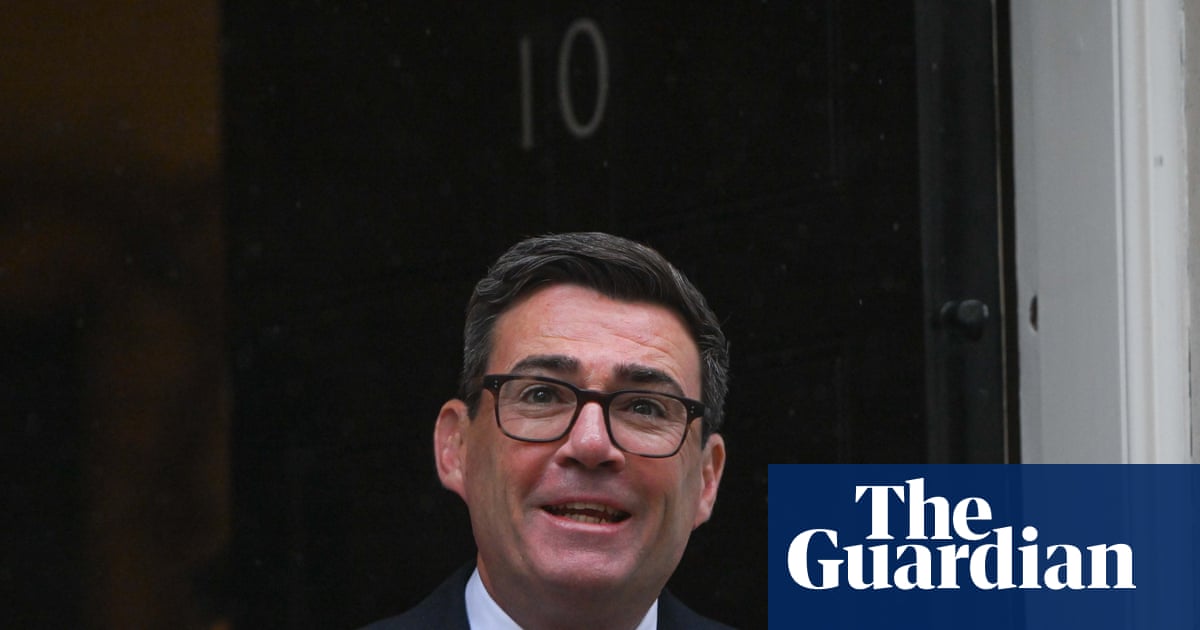
Andy Burnham arrives at the Labour party conference in Liverpool with elevated standing, buoyed by a successful initial meeting with Donald Trump and improved poll numbers. The leader intends to project a message of hope and optimism during his first address as head of the government, capitalizing on current goodwill among party members. However, this period of relative calm is expected to be short-lived, as significant challenges are scheduled to emerge immediately following the autumn gathering.
The most pressing immediate hurdle is the budget announcement set for late October. The global economic environment remains fragile, exacerbated by rising energy prices linked to ongoing conflict in Iran and broader inflationary pressures. Chancellor John Healey operates with diminishing fiscal flexibility, as government debt interest payments continue to climb. Consequently, major spending decisions are likely to be deferred until a larger fiscal event in the spring, contingent on any improvement in economic indicators.
In the interim, the government’s ability to maintain an optimistic narrative will be tested by a lack of positive economic data. Relief measures may be limited to targeted assistance for households most affected by soaring energy bills. A critical juncture arrives in late November when the energy regulator sets the price cap for January. Analysts warn that gas cost surges could necessitate substantial price increases, while the government must also determine whether to extend the current fuel duty freeze beyond its year-end expiration.
Fiscal constraints are further complicated by manifesto commitments prohibiting increases to income tax, national insurance, or VAT. Some Labour MPs advocate for significant wealth taxes to address public finance shortfalls, but Healey’s options remain restricted. This tension between political desire for revenue generation and binding fiscal rules creates a difficult environment for policy formulation, limiting the scope for broad-based economic stimulus.
Beyond domestic economics, Burnham has an opportunity to appeal to pro-European Union voters by advancing closer ties with Europe. Building on previous administrative efforts, the UK is attempting to reduce trade barriers established after Brexit. However, negotiations face persistent obstacles, particularly regarding Brussels’ procurement policies that favor European bloc members. These rules disadvantage British entities and other partners like Canada and Japan. Progress is anticipated in the coming weeks, potentially during early November, though no fixed timeline has been established.
Political vulnerability will be tested on October 8 during the Holborn and St Pancras byelection. Labour candidate Sagal Abdi-Wali faces Zack Polanski, leader of the Green party, in a contest for a traditional stronghold previously held by Keir Starmer. A decisive Labour victory would suggest that Burnham is successfully recapturing progressive voters who defected to the Greens over issues such as Gaza policy and benefit cuts. Conversely, a strong Green showing could signal continued dissatisfaction with the government’s leftwing credentials.
Energy policy presents another complex challenge. The administration has indicated greater openness to approving new oil and gas drilling under existing North Sea licenses compared to its predecessor. Decisions regarding the Jackdaw and Rosebank fields have been delayed, possibly to avoid controversy during the conference period or ahead of the byelection. Once approvals are granted, environmental groups are expected to express strong opposition, arguing that such moves undermine climate commitments.
Burnham will have the opportunity to clarify the UK’s stance on net zero targets at the Cop31 climate conference in Turkey this November. Simultaneously, welfare reform remains a sensitive issue following previous retreats from disability benefit cuts. Recent reviews by ministers Stephen Timms and adviser Alan Milburn highlight systemic issues with personal independence payments and youth employment barriers. The government must navigate these reforms carefully to avoid antagonizing both backbench MPs and the electorate, aiming for changes that facilitate work participation without provoking political backlash.
The coming months will define whether Burnham’s current momentum can withstand the weight of structural economic pressures and ideological divisions within his party. With limited fiscal tools and high-stakes decisions on energy, trade, and social security, the administration faces a series of interconnected tests that could reshape its political trajectory before the end of the year.
Sources behind this briefing
Go to the original reporting
- The Guardian World↗The tricky tests awaiting Andy Burnham after Labour conference

