The short version
- Andy Burnham states the current Brexit agreement fails to meet public expectations or deliver promised benefits.
- The prime minister links reduced border control capabilities to the ongoing small boats crisis, noting the inability to return migrants to Europe.
- Despite personal support for closer EU ties, Burnham rules out rejoining the bloc or calling an early general election in this parliamentary term.
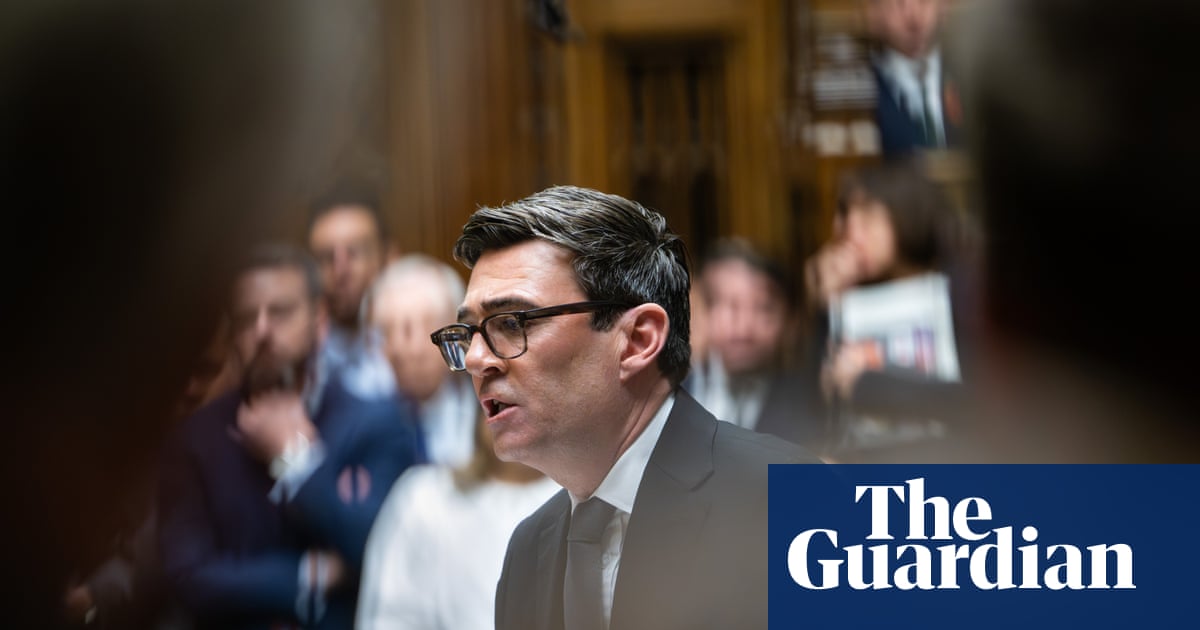
Prime Minister Andy Burnham has publicly declared that the current Brexit arrangement is insufficient for the British public, marking a significant moment of candid assessment from the head of government regarding the United Kingdom’s post-referendum trajectory. Speaking on Monday morning television, Burnham argued that the departure from the European Union has not unfolded according to the promises made during the referendum campaign. He characterized the outcome as a harder separation than originally proposed, one that has exerted negative pressure on the national economy without delivering the intended advantages for citizens.
A central component of Burnham’s critique involves the impact of Brexit on immigration controls. The prime minister asserted that the UK’s ability to manage its borders has been diminished since leaving the EU. Specifically, he pointed to the loss of mechanisms that previously allowed for the return of individuals to European countries. This structural change, according to Burnham, has contributed directly to the persistence of the small boats crisis. He noted that potential migrants are aware that the government lacks the same capacity to deport them as it did in the past, creating a dynamic that complicates border security efforts.
Despite these criticisms, Burnham was careful to delineate the boundaries of his proposed policy adjustments. He explicitly ruled out any major changes to the Brexit deal during the current parliament. Addressing questions about whether he sought to rejoin the European Union, Burnham acknowledged a personal desire for such an outcome within his lifetime but emphasized that he would not move ahead of public opinion. He stressed that the British public must remain the ultimate decision-makers on this issue, and he refused to dictate policy based solely on his own views.
The prime minister’s comments come amid internal party concerns regarding the political risks of reopening the Brexit debate. Members of Parliament representing constituencies in northern England and the Midlands, many of which voted to leave the EU, have expressed worry that challenging the status quo could provide opportunities for Reform UK to gain traction. Burnham addressed these sensitivities by reiterating his commitment not to rerun a referendum. He highlighted that 65 percent of voters in his own Makerfield constituency supported leaving the EU, underscoring the need to respect those democratic mandates while seeking practical improvements.
Burnham framed his position as one of pragmatic adjustment rather than ideological reversal. He stated that while he would not abandon the red lines established in Labour’s manifesto, there is a necessity to take practical steps to make the existing arrangement function more effectively. This approach aims to balance the desire for better economic and border outcomes with the political reality of maintaining party unity and respecting the will of leave-voting constituents. The prime minister suggested that the focus should be on mitigating the negative impacts of Brexit rather than undoing it entirely.
Looking ahead, Burnham indicated that an upcoming UK-EU summit in November could offer a pathway to address some of these issues. He expressed hope that negotiations might yield a deal beneficial to British food manufacturers, a sector that has reportedly suffered significant disruptions due to new trade barriers and regulatory changes. By targeting specific industrial pain points, the government aims to demonstrate tangible progress without engaging in broader constitutional debates about membership status.
In addition to foreign policy adjustments, Burnham endorsed stricter domestic immigration measures proposed by Home Secretary Shabana Mahmood. He supported the principle behind plans requiring foreign workers to wait fifteen years for permanent residency, arguing that settlement should be earned rather than automatically granted. This stance aligns with his broader argument that Brexit has complicated border management, necessitating more rigorous internal controls to compensate for the loss of external cooperation mechanisms.
The prime minister also dismissed speculation about an early general election, despite polling data suggesting a potential surge in Labour’s popularity. He urged the public to disregard rumors of an imminent vote, stating clearly that no election is planned anytime soon. Instead, he pointed to the upcoming budget as a mechanism for providing breathing space to people and businesses. Burnham described the fiscal measures as offering a glimpse of light at the end of the tunnel, aiming to stabilize economic conditions while navigating the complex legacy of Brexit.
This nuanced position reflects the delicate balancing act required by the current government. By acknowledging the failures of the Brexit deal while refusing to pursue rejoining the EU, Burnham seeks to address public dissatisfaction without alienating key voter bases. The emphasis on practical steps and specific sectoral relief suggests a strategy focused on damage limitation and incremental improvement. As the November summit approaches, the outcome of these negotiations will likely test the government’s ability to deliver on its promise of making the arrangement work better.
The broader implications of Burnham’s statements extend beyond immediate policy adjustments. They signal a long-term acceptance of the post-Brexit landscape while leaving room for future reconsideration as public opinion evolves. By framing the current deal as inadequate but not reversible in the short term, the prime minister sets expectations for a period of managed transition. This approach aims to stabilize political discourse around Brexit, reducing volatility while addressing legitimate concerns about economic performance and border security.
Sources behind this briefing
Go to the original reporting
- The Guardian World↗Brexit deal is not good enough for British public, says Andy Burnham