The short version
- The remains of medieval ruler Tsar Samuel are being transferred from Greece to Bulgaria after sixty years, concluding a long-standing diplomatic negotiation between the two neighboring nations.
- In a reciprocal agreement, Bulgaria will return religious artifacts taken from Greek monasteries during the First World War, aiming to balance historical grievances and foster regional cooperation.
- Greek officials view this exchange as part of a broader global shift in how cultural heritage is treated, hoping it supports their ongoing campaign for the return of the Parthenon marbles from Britain.
The remains of Tsar Samuel, a pivotal figure in Bulgarian national history, are set to arrive in Sofia this Saturday, marking the conclusion of a protracted diplomatic effort between Bulgaria and Greece. The transfer follows an agreement reached earlier this week by the culture ministers of both nations, ending a dispute that has persisted since the bones were discovered in a Greek border region six decades ago. The arrival will be marked by significant state honors, including a military aircraft transport, a fighter jet escort, and a twenty-one-gun salute, underscoring the symbolic weight of the event for Bulgarian identity.
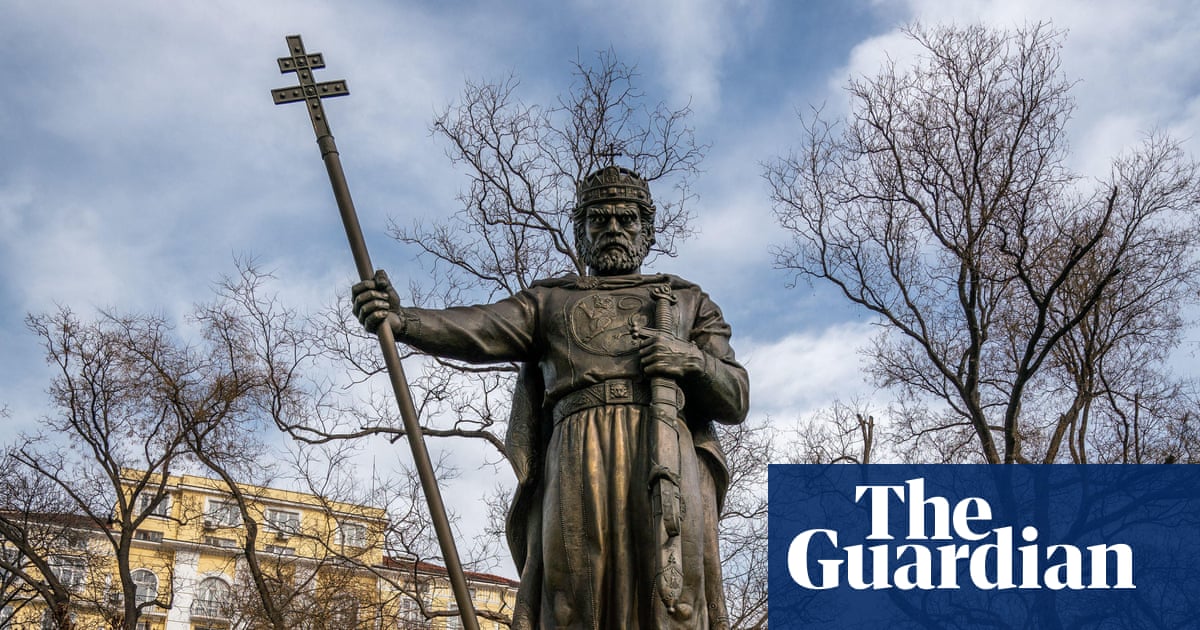
Tsar Samuel, who ruled in the early eleventh century, is revered in Bulgaria as a symbol of national resilience. He led his kingdom in conflict against the Byzantine Empire, seeking to expand his territory, but was ultimately defeated and died shortly after in 1014. For generations, his remains have been a point of contention between Sofia and Athens, reflecting deeper historical tensions. The decision to repatriate the bones represents a deliberate move to transform a source of division into an instrument of unity, according to Bulgarian officials who emphasized the shared heritage of the two peoples.
The handover is not unilateral but part of a broader reciprocal arrangement designed to address historical imbalances. Under the terms of the agreement, Bulgaria will return religious relics that were taken from Greek monasteries during the First World War. This exchange aims to settle outstanding cultural claims and demonstrate mutual respect for each nation’s historical narrative. By addressing these specific grievances, both governments hope to strengthen strategic cooperation and improve bilateral relations, moving past centuries of conflict toward a more collaborative future.
Greek Prime Minister Kyriakos Mitsotakis has framed the repatriation within a larger context of global cultural policy. He expressed hope that this initiative would bolster Athens’s longstanding campaign to persuade Britain to return the Parthenon marbles, which have been held in the British Museum since the nineteenth century. Mitsotakis argued that the international community is re-evaluating its stance on protecting cultural heritage, asserting that historical artifacts should not be treated as spoils of war or retained due to circumstances surrounding their acquisition. This perspective positions the Tsar Samuel handover as a precedent for other restitution efforts worldwide.
Despite the official optimism, the agreement has faced scrutiny from some quarters in Greece. Several prominent academics and religious leaders have raised concerns regarding the adequacy of Bulgaria’s contributions in the exchange. These critics question whether the return of First World War relics sufficiently compensates for the loss of Tsar Samuel’s remains, suggesting that the balance of the deal may not fully address historical sensitivities. This internal debate highlights the complex nature of cultural restitution, where political agreements must navigate diverse public opinions and scholarly perspectives.
The ceremony preceding the handover took place at the Museum of Byzantine Civilization in Thessaloniki, where the remains had been kept for decades. Both Mitsotakis and Bulgarian President Rumen Radev attended the event, signaling high-level commitment to the resolution. Radev emphasized that while Tsar Samuel once divided their nations, he now serves to unite them, strengthening historical ties between their states and peoples. The leaders stressed that these items belong to both populations, constituting a shared memory that future generations deserve to honor.
Upon arrival in Sofia, the remains will be processed to the Church of St Sophia, where the public will have the opportunity to pay respects. This final resting place is significant for its historical and religious importance in Bulgaria, providing a dignified conclusion to the journey of the medieval ruler’s bones. The event is expected to draw considerable attention from citizens and historians alike, serving as a moment of national reflection and reconciliation. The pomp surrounding the arrival reflects the deep emotional connection Bulgarians feel toward their historical figures.
The resolution of this dispute offers a model for how neighboring countries with shared histories can address lingering cultural tensions. By engaging in direct dialogue and reciprocal exchanges, Bulgaria and Greece have demonstrated that historical grievances can be managed through diplomacy rather than conflict. The success of this initiative may influence other regional disputes involving cultural artifacts, encouraging a more cooperative approach to heritage management. As the remains settle into their new home, the focus shifts to how this event will shape future interactions between the two nations.
Looking ahead, the implications of this agreement extend beyond the immediate transfer of artifacts. The strengthened diplomatic ties could facilitate further collaboration in areas such as trade, security, and cultural preservation. Both governments have indicated a desire to build on this momentum, using the shared history as a foundation for deeper engagement. The return of Tsar Samuel’s remains thus serves not only as a closure to a past dispute but also as an opening chapter in a renewed relationship between Bulgaria and Greece.
The global attention on this event underscores the growing importance of cultural heritage in international relations. As nations grapple with the legacy of colonialism and conflict, the treatment of historical artifacts has become a key indicator of diplomatic goodwill. The Bulgarian-Greek agreement illustrates how careful negotiation can turn potential sources of friction into opportunities for partnership. This case study may inform future discussions on restitution, offering insights into balancing national pride with regional stability.
Sources behind this briefing
Go to the original reporting
- The Guardian US↗Remains of medieval tsar return to Bulgaria after decades-long dispute with Greece


