The short version
- Initial vote counts indicate Iliana Yotova has won the presidential runoff with approximately 58 percent of the ballot, defeating former interim Prime Minister Andrey Gyurov.
- The victory marks a historic milestone for Bulgaria, which will have its first elected female head of state if official results confirm the early data.
- Political observers warn that the win concentrates significant influence within the governing majority, potentially weakening institutional checks and balances.
Initial vote counts from Sunday’s presidential runoff in Bulgaria indicate that acting President Iliana Yotova has secured a decisive victory over her opponent, former interim Prime Minister Andrey Gyurov. According to data from several polling agencies, Yotova captured approximately 58 percent of the vote, while Gyurov trailed with roughly 38 percent. Gyurov conceded defeat shortly after the results emerged, stating that the outcome reflected the will of Bulgarian citizens and should be accepted as final. Official confirmation of these figures is not expected until Monday, but the early data points to a historic shift in the nation’s leadership.
If the preliminary numbers hold, Yotova will become Bulgaria’s first elected female head of state. She assumed the presidency in January after former President Rumen Radev stepped down to run for parliament. By winning her own mandate, Yotova transitions from an acting role to a fully elected position, solidifying her authority within the country’s political structure. The election serves as a critical test for Prime Minister Rumen Radev’s Progressive Bulgaria party, which endorsed Yotova and secured an outright majority in April’s parliamentary elections by winning 131 of 240 seats.
The consolidation of power within the governing coalition has raised concerns among political observers. With both the presidency and a parliamentary majority controlled by allies of Radev, there is a risk that effective checks and balances on policy decisions could be diminished. Although Bulgaria’s presidency is primarily ceremonial, with major policies requiring parliamentary approval, the direct election of the president grants the office greater political weight. The head of state leads the armed forces, possesses veto power over legislation, signs international treaties, and appoints ambassadors, roles that carry significant influence despite the lack of executive authority.
Yotova’s victory is expected to maintain the current trajectory of Bulgaria’s foreign policy, which balances European integration with improved relations with Russia. Both Yotova and Radev have advocated for keeping Bulgaria on a pro-Western path while simultaneously supporting better diplomatic ties with Moscow and the lifting of sanctions. This dual approach reflects the complex geopolitical landscape in the Balkans, where widespread pro-Russia sentiment based on historical and cultural ties coexists with a broad parliamentary consensus favoring Western alignment.
The division within Bulgarian society has become more pronounced since Russia’s full-scale invasion of Ukraine. While the country joined NATO in 2004 and the European Union in 2007, public opinion remains split regarding its stance on the conflict. Yotova has called for a diplomatic solution to end the war, advocating for negotiations between Ukraine and Russia as the only path to peace. During a televised debate with Gyurov, she proposed a security meeting involving all six Black Sea countries to sign a moratorium on hostilities, emphasizing the need for regional stability.
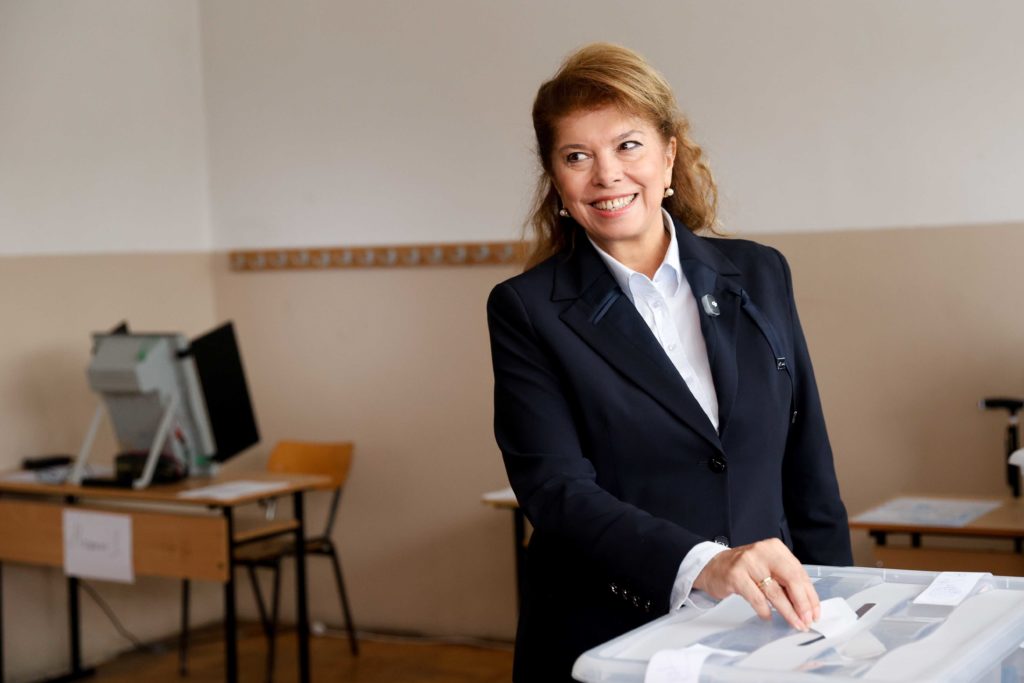
Despite her calls for dialogue, Yotova has remained evasive regarding potential Russian involvement in drone attacks in the Black Sea region. This ambiguity mirrors the cautious stance taken by Radev during his tenure. After casting her vote on Sunday, Yotova emphasized her commitment to national consensus and strong institutions. She told reporters that she voted for a Bulgaria that makes its own decisions, maintains a strong voice on the international stage, and operates within a robust European framework.
Gyurov, who was backed by reformist pro-Western opposition parties, represented an alternative vision for the country’s future. His defeat signals a rejection of the opposition’s platform in favor of the status quo championed by the Progressive Bulgaria party. The runoff results underscore the enduring popularity of Radev’s political project, which has successfully navigated the tensions between Western alliances and domestic pro-Russian sentiments.
Presidents in Bulgaria serve five-year terms and are limited to two consecutive terms. Yotova’s election ensures continuity in leadership as the country faces ongoing geopolitical challenges. The concentration of power within the governing majority may streamline policy implementation but also raises questions about the independence of state institutions. As official results are finalized, attention will turn to how Yotova intends to exercise her expanded political authority while maintaining the delicate balance between domestic stability and international obligations.
The outcome of this election has significant implications for Bulgaria’s role in regional security and its relationship with both NATO and Russia. With a new mandate, Yotova is positioned to continue Radev’s legacy of pragmatic diplomacy. However, the potential erosion of checks and balances could impact the long-term health of Bulgarian democracy. The coming months will reveal whether the governing coalition can manage these tensions effectively or if the concentration of power leads to increased political friction.
As Bulgaria moves forward under its first elected female president, the nation remains at a crossroads between its European aspirations and its historical ties to Russia. Yotova’s victory reflects the current mood of the electorate, which appears to favor stability and continuity over radical change. The challenge ahead will be to uphold democratic norms while navigating the complex geopolitical realities that define Bulgaria’s position in Eastern Europe.
Sources behind this briefing
Go to the original reporting
- PBS NewsHour↗Initial results suggest Iliana Yotova wins runoff to become Bulgaria's 1st elected female president


