The short version
- Tensions escalated after a Times article claimed Prime Minister Meloni advised against a Tory-Reform alliance, a claim later removed following complaints.
- Reform UK sources assert Meloni apologized for the confusion and congratulated Nigel Farage, while Conservatives dismiss these claims as fabricated distractions.
- The incident underscores the broader competition among rightwing figures to associate with Meloni’s perceived stability and electoral success in Italy.
A significant dispute has emerged within the British rightwing political sphere, centering on conflicting accounts of interactions between Italian Prime Minister Giorgia Meloni and leaders of the Conservative Party and Reform UK. The controversy began when a newspaper published a report alleging that Meloni had advised Kemi Badenoch, the leader of the Conservatives, against forming an electoral alliance with Nigel Farage, head of Reform UK. This claim was subsequently removed from the publication after complaints were lodged by Reform UK representatives and, reportedly, by members of Meloni’s own administration.
Following the retraction, sources close to Farage indicated that the Italian prime minister had engaged in a conversation with him this week to apologize for any misunderstanding caused by the initial report. These sources stated that Meloni congratulated Farage on his recent victory in the Clacton byelection, an event notable for its unconventional campaign dynamics. A representative for Reform UK emphasized that Meloni’s team expressed deep disappointment regarding the incident, reinforcing the narrative that the Italian leader did not intend to intervene in British domestic politics.
In contrast, Conservative Party officials have firmly rejected the notion that they made false claims or misrepresented Meloni’s views. A spokesperson for the Tories characterized Reform UK’s reaction as an attempt to distract from their own internal issues, specifically referencing a recent controversy involving a five-million-pound donation. The Conservative source described the Reform narrative as a fabrication designed to amplify minor discrepancies into a larger political scandal, arguing that the party had not engaged in deceptive practices regarding the Rome meeting.
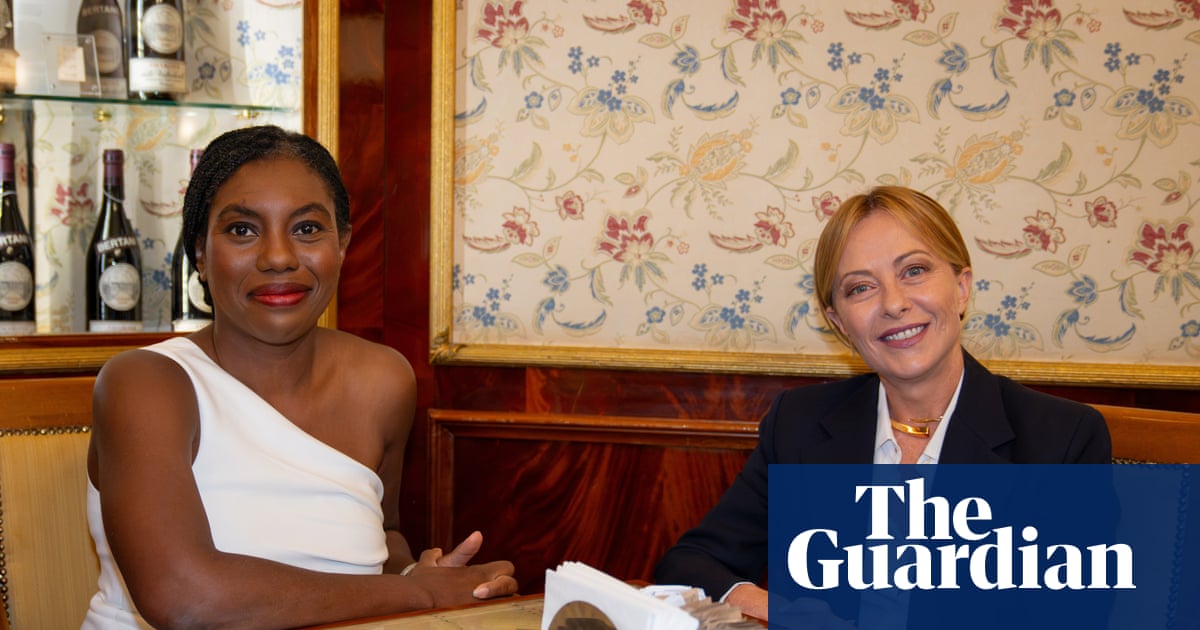
The incident has reignited the long-standing rivalry between Badenoch and Farage, who have historically competed for influence within the rightwing vote. Badenoch initially celebrated her trip to Rome by sharing a social media post featuring a selfie with Meloni, praising the Italian leader’s direct communication style. However, the subsequent backlash appears to have dampened the positive momentum from that visit. Critics within the political sphere, including Robert Jenrick, a former Conservative minister who now sits as a Reform MP, seized on the situation to criticize Badenoch’s credibility, suggesting she misrepresented the content of her discussions with Meloni.
Farage has also weighed into the debate, questioning the authenticity of Badenoch’s account by noting the absence of direct quotes from Meloni herself. He argued that the Conservative leader was relying on secondhand interpretations rather than verified statements from the Italian prime minister. This line of criticism aligns with Reform UK’s broader strategy to position itself as a more authentic voice of rightwing populism, distinct from what they characterize as the establishment maneuvering of the Conservative Party.
The intense focus on Meloni’s perceived endorsement reflects her growing stature as a influential figure in European politics. Since coming to power in 2022, Meloni has moderated some of her earlier populist rhetoric while maintaining a firm stance on social conservatism and immigration control. Her government is approaching a milestone that would make it the longest-serving single administration in Italian republican history, and she remains a favorite in polls ahead of next year’s election. This stability and electoral success have made her an attractive ally for rightwing politicians seeking to bolster their own credibility.
Supporters of Meloni, including former Farage adviser Raheem Kassam, highlight her ability to navigate political turmoil and maintain government cohesion despite significant challenges. They view her rise to power as a testament to her personal strength and conviction, drawing parallels to other successful populist leaders who defied expectations. The admiration for Meloni extends beyond ideological alignment; it encompasses a respect for her pragmatic approach to governance and her capacity to deliver results in a fragmented political landscape.
Meloni’s recent public clashes with former US President Donald Trump further illustrate her independent stance within the rightwing coalition. After Trump criticized her behavior at the G7 summit and made disparaging remarks about Pope Leo XIV, Meloni responded forcefully, rejecting any notion that she or Italy would beg for attention or approval. Her defense of the Pope’s call for peace during international conflicts underscores her commitment to Catholic values and diplomatic decorum, distinguishing her from more confrontational figures in the global rightwing movement.
As the dispute continues to unfold, it remains unclear whether this incident will have lasting implications for the relationship between the Conservative Party and Reform UK. The competition for Meloni’s favor highlights the broader struggle for legitimacy and influence among rightwing factions in Britain. While both parties seek to leverage her success for their own political gain, the conflicting narratives surrounding her alleged advice suggest that any potential alliance remains fraught with tension and mistrust.
Looking ahead, the focus will likely shift to how these parties navigate the upcoming electoral cycle and whether they can overcome internal divisions to present a united front. The incident serves as a reminder of the complex dynamics at play within modern rightwing politics, where personal relationships and international alliances can quickly become flashpoints for domestic disputes. As Meloni continues to consolidate her power in Italy, British politicians will likely remain eager to associate with her brand, even as they vie for dominance in their own arena.
Sources behind this briefing
Go to the original reporting
- The Guardian World↗Giorgia on their minds: Farage and Badenoch scrap to be mates with Meloni

