The short version
- Data indicates significant volumes of British plastic waste were shipped to a specific Turkish recycling zone between 2021 and 2024.
- Local researchers found drastic increases in microplastic concentrations in waterways adjacent to agricultural fields near the processing facilities.
- Farmers report crop damage from toxic smoke and flooding, citing a lack of regulatory recourse for environmental grievances.
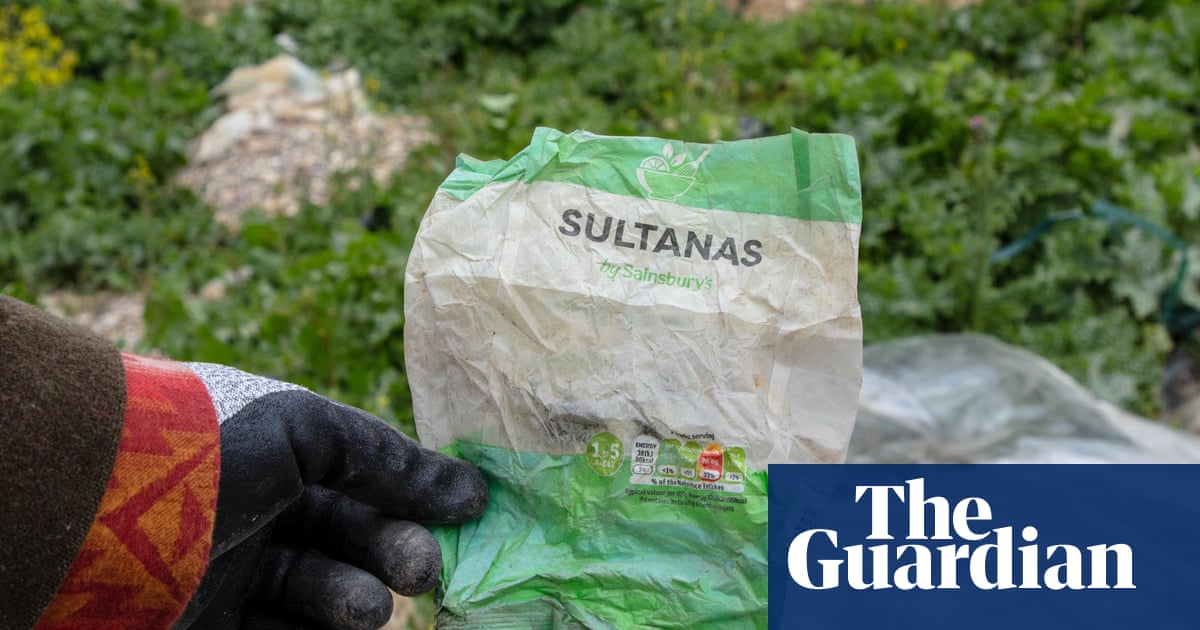
A growing body of evidence suggests that plastic waste exported from the United Kingdom is contributing to severe environmental degradation in southern Turkey. Investigations indicate that shipments destined for recycling facilities in the Adana region have overwhelmed local infrastructure, resulting in illegal dumping, open burning, and significant water contamination. The fallout is particularly acute in the Çukurova plain, a fertile agricultural zone known for producing cotton, soybeans, and citrus fruits, where farmers are now grappling with polluted irrigation sources and air quality hazards.
Analysis of trade data conducted by the Environmental Investigation Agency reveals that between May 2021 and July 2024, thirteen British companies sent fifty-four shipments totaling approximately 52,000 tonnes of household and supermarket plastic waste to the Kemal Deniz recycling zone. This facility, located less than a mile from active farmland, received roughly 13 percent of all UK plastic exports to Turkey during that period. The top three exporters identified in this dataset were ProtoGreen, Vanden, and Eurokey. While these transactions appear to comply with current export regulations, the downstream environmental consequences raise questions about the adequacy of oversight mechanisms.
The shift toward Turkey as a primary destination for Western plastic waste follows China’s 2018 ban on such imports. Consequently, Adana now receives an estimated 60 percent of all plastic waste entering Turkey. This influx has strained local treatment capabilities, leading to widespread irregularities in waste management practices. Environmental groups and journalists have documented instances where unrecyclable materials are abandoned in piles that subsequently catch fire, releasing toxic smoke over nearby residential neighborhoods and agricultural fields.
Local residents describe a deteriorating quality of life driven by these industrial activities. Ayhan, a farmer cultivating aubergines near the recycling zone, reports that fumes from the facilities coat greenhouse tarps with black residue, requiring extensive cleaning before each planting season. He also recounted how heavy rains in January caused canal water to flood onto his land, destroying seventeen acres of crops. Despite these losses, he expressed frustration over the lack of formal channels for filing complaints, noting a pervasive sense that authorities are indifferent to the plight of smallholders.
Scientific monitoring supports anecdotal reports of contamination. Sedat Gündoğdu, a marine biologist at Sabancı University’s Istanbul Policy Center, has been studying pollution levels in the region’s waterways. His research, published in Environmental Monitoring and Assessment, shows that microplastic concentrations in canals downstream from the Kemal Deniz zone are ten times higher than those found upstream. In other canals adjacent to different recycling facilities in Adana, the increase was even more dramatic, reaching 132 times the baseline levels.
The study identified pellets, films, and fragments characteristic of recycling processing waste in the water samples. These contaminated canals feed into a broader network that traverses agricultural fields before flowing into the Seyhan River and eventually the Mediterranean Sea. Gündoğdu noted that while some farmers avoid using the most polluted channels directly, the interconnected nature of the irrigation system means that tainted water still reaches crops used for food production.
The ecological implications extend beyond local agriculture. Turkey is currently the third-largest contributor to plastic leakage into the Mediterranean from mismanaged waste, trailing only Egypt and Italy according to a 2020 report by the International Union for Conservation of Nature. Plastic debris poses serious threats to marine life through entanglement and ingestion, while microplastics have been shown to hinder photosynthesis in plants and marine algae, which form the foundation of the oceanic food web.
Although the British companies involved are not accused of breaking laws regarding waste export, they hold a duty under various regulations to ensure that exported materials are recycled in an environmentally sound manner. The current situation in Adana highlights a gap between legal compliance and actual environmental stewardship. As global demand for recycling solutions continues to outpace local infrastructure capacity, the burden falls disproportionately on communities with limited political leverage.
The case of Adana underscores the complex challenges of global waste management. While exporting waste may offer a short-term solution for countries seeking to reduce domestic landfill use, it can create long-term environmental liabilities in receiving nations. Without stricter international standards and better enforcement, the cycle of pollution displacement is likely to continue, affecting both human health and ecological stability in vulnerable regions.
Future developments will depend on whether regulatory bodies in both the UK and Turkey take steps to address these discrepancies. Potential measures could include enhanced monitoring of waste shipments, stricter penalties for illegal dumping, and investment in local recycling infrastructure. Until then, farmers like Ayhan remain caught between industrial expansion and environmental decline, with few avenues for redress or compensation.
Sources behind this briefing
Go to the original reporting
- The Guardian US↗‘Nobody cares’: the Turkish farmers bearing the burden of UK’s plastic waste problem

