The short version
- Eighty-eight percent of British residents took a holiday this year, matching the peak levels seen in 2019 before the global pandemic disrupted travel patterns.
- Approximately one-third of travelers intend to spend less on international vacations next year, signaling that annual trips are no longer viewed as essential expenses by many households.
- Spain remains the dominant destination for British tourists, though industry leaders warn that economic pressures and uncertainty may continue to shape booking behaviors in the coming months.
The British travel market has reached a significant milestone, with participation rates returning to levels last seen before the global pandemic. According to an annual report released by Abta, the UK’s leading travel industry body, eighty-eight percent of residents took a holiday this year. This figure matches the 2019 peak, indicating a robust recovery in leisure activity despite ongoing economic headwinds. The data reveals that seventy-four percent of these trips occurred within the United Kingdom, while sixty-two percent involved international destinations.
Despite this high volume of travel, the financial commitment behind these vacations is shifting. The report highlights that nearly one in three people plan to reduce their spending on overseas holidays next year. This trend suggests a fundamental change in consumer behavior, where the annual foreign trip is no longer considered an inviolable priority. Fewer individuals are now willing to cut back on other discretionary purchases, such as mobile phones or electronics, to fund their vacations, indicating that travel budgets are becoming more constrained relative to other household expenses.
Consumer confidence in the travel sector has experienced volatility throughout the year. The Abta travel confidence index dipped to a net score of plus fifty, measuring the balance between those feeling secure about traveling abroad and those expressing worry. However, this metric has rebounded from earlier lows. Initial fears regarding jet fuel shortages and potential flight disruptions, which were exacerbated by geopolitical tensions including the US-Israel conflict with Iran in February, have gradually faded. Additionally, concerns surrounding the implementation of the European Union’s entry/exit system (EES) border checks contributed to early uncertainty, but these anxieties appear to be subsiding as travelers adapt to new procedures.
Booking patterns have also evolved in response to economic pressures and market uncertainty. There is a noticeable increase in late bookings and shorter city breaks throughout 2026. Many travelers are adopting a wait-and-see approach, delaying their reservations in hopes of securing better deals or managing the unpredictability of costs. This shift reflects a broader strategy among consumers who are trying to balance their desire for leisure with the need to manage household budgets carefully. The trend toward last-minute planning is becoming a more prominent feature of the holiday landscape.
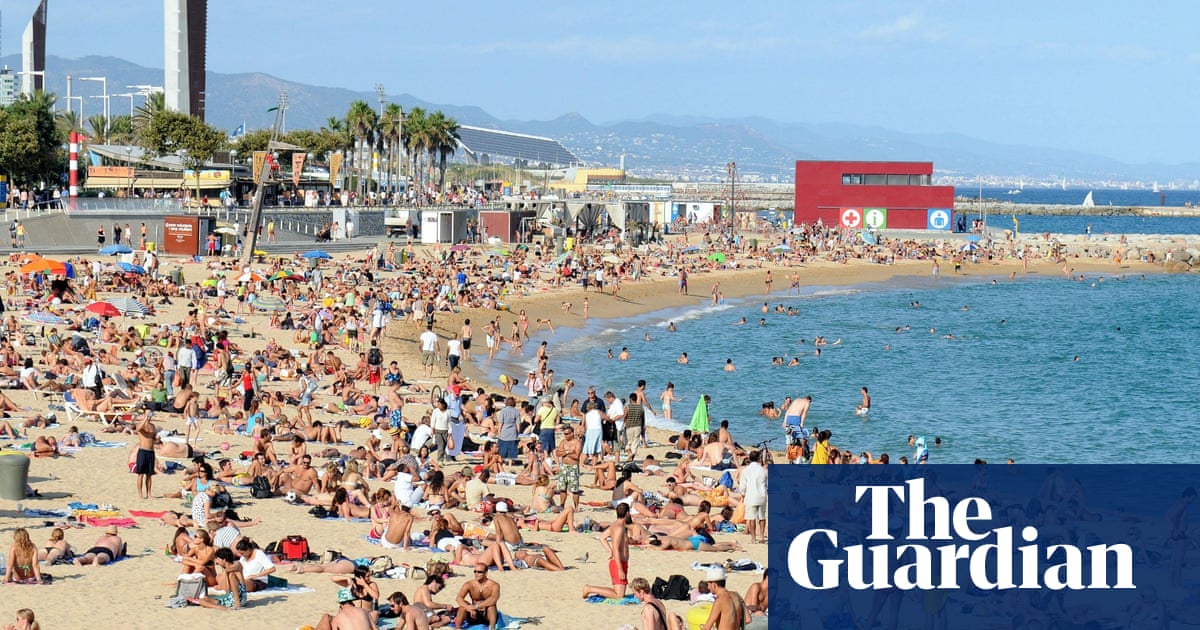
Spain continues to dominate as the preferred destination for British tourists outbound from the UK. The proportion of travelers visiting Spain increased by four percentage points to thirty-six percent this year, reinforcing its position as the top choice for holidays. Portugal also saw a rise in popularity, moving up to sixth place among favored destinations. However, when looking ahead to next year’s intentions, only twenty-six percent of respondents indicated plans to visit Spain. Instead, travelers expressed interest in more exotic locations such as Japan and Norway. Historical data suggests that despite these aspirational preferences, actual travel behavior tends to revert to familiar and often more affordable options like Spain.
Industry leaders acknowledge the resilience of the sector but remain cautious about future challenges. Mark Tanzer, chief executive of Abta, noted that while demand has held up well against various obstacles, the pressures facing the industry are unlikely to dissipate in the next eighteen months. He emphasized that the market experienced a stop-start dynamic throughout the year but recovered significantly during the summer period. The willingness of consumers to prioritize travel spending over other discretionary items remains a key factor supporting the industry’s stability.
In response to ongoing cost pressures, Abta is continuing its efforts to lobby government ministers for policy changes that could alleviate financial burdens on the sector. Key demands include reductions in aviation taxes and increased support for the transition to sustainable aviation fuels. These measures are intended to help lower operational costs and sustain an industry that contributes approximately £57 billion to the UK economy. The push for regulatory adjustments underscores the tension between environmental goals and economic viability in the current market environment.
The broader context of the cost of living squeeze continues to influence travel decisions across the country. While the number of people taking holidays has climbed back to pre-pandemic levels, rising costs may indicate that this growth has peaked. The combination of late bookings, shorter trips, and reduced budgets for international travel points to a market that is adapting to tighter financial constraints. As consumers navigate these challenges, the travel industry must remain flexible to accommodate changing preferences and economic realities.
Looking forward, the interplay between consumer confidence, geopolitical events, and economic conditions will likely continue to shape travel trends. The rebound in confidence following earlier disruptions offers a positive sign, but the intention to spend less on future trips suggests caution among households. Industry stakeholders are closely monitoring these developments as they prepare for the upcoming season, balancing optimism about sustained demand with realistic assessments of financial pressures.
Ultimately, the data paints a picture of a resilient yet cautious travel market. British consumers are still eager to vacation, but their methods and budgets are evolving in response to broader economic trends. The shift toward domestic travel, shorter breaks, and delayed bookings reflects a pragmatic approach to leisure spending. As the industry adapts to these changes, the focus remains on maintaining accessibility and affordability while navigating the complex landscape of modern travel.
Sources behind this briefing
Go to the original reporting
- The Guardian World↗Fewer Britons plan to ringfence money for holidays abroad next year, says travel industry