The short version
- Mark Smith, a British national with severe health conditions, has gone into hiding in Sweden after receiving deportation orders despite believing he had complied with residency requirements.
- Activists report that many Britons received contradictory information from Swedish tax authorities regarding the need to formally apply for post-Brexit residence permits.
- Sweden has deported hundreds of British citizens and issued removal orders to vulnerable individuals, drawing criticism for potential violations of proportionality under the withdrawal agreement.
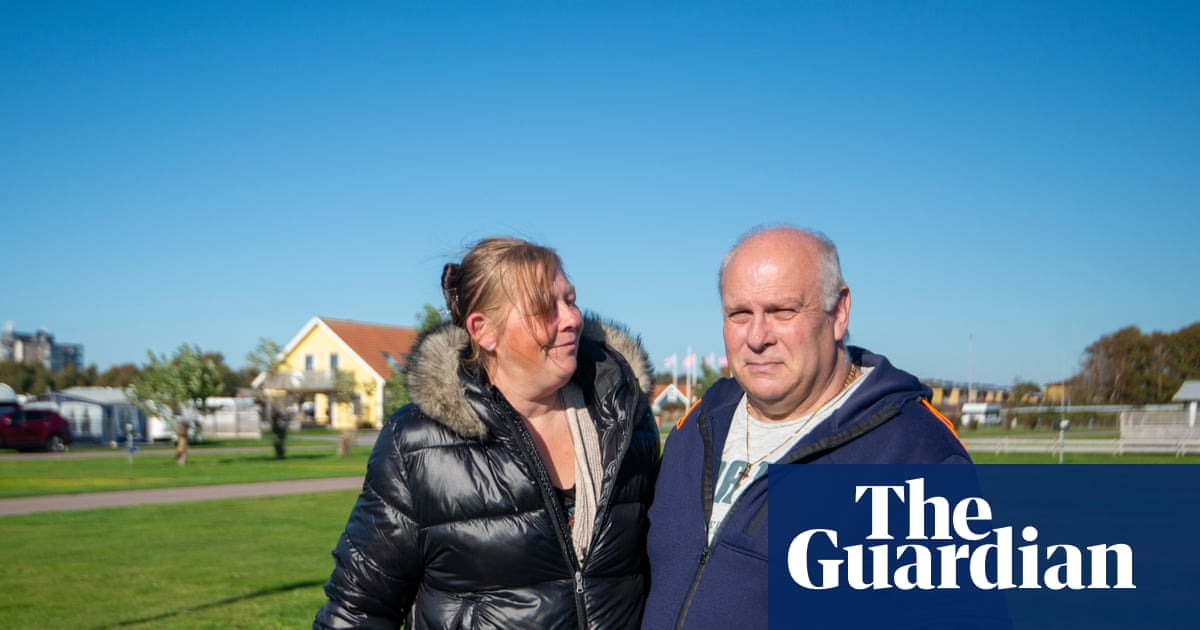
A sixty-year-old British man living in Sweden has been forced into hiding after receiving notification that he must leave the country due to alleged residency irregularities. Mark Smith, who suffers from chronic high blood pressure, a history of heart attacks and strokes, and severe headaches, was informed by phone on October 17 that he was considered an unauthorized alien. Fearing immediate arrest and deportation, Smith and his Swedish wife relocated from their apartment in Falkenberg to a caravan park, where they remain in seclusion.
Smith’s situation stems from confusion surrounding the administrative requirements for British citizens residing in the European Union after Brexit. He stated that he contacted Swedish tax authorities on three separate occasions to inquire whether any action was required to maintain his legal status. Each time, he claims officials told him no immediate steps were necessary and that he should wait five years before applying for permanent residency. Relying on this guidance from a government body, Smith did not submit a formal residence application.
However, Sweden is one of thirteen EU member states that mandated formal applications from Britons living in the country prior to Brexit. Other nations, such as Spain, adopted simpler declaration systems. Smith was unaware of this distinction until he began experiencing health issues in 2021 and applied for sickness benefits. It was then that his residency status came under scrutiny, leading to a court ruling on October 12 that declined to suspend deportation proceedings but granted him until October 20 to file for a retrial.
Advocates argue that Smith’s case is not an isolated incident but part of a broader pattern of administrative failure. David Milstead, a volunteer activist with the Brits in Sweden group, described Smith’s experience as typical among British expatriates who sought clarification from authorities only to receive vague or incorrect information. Milstead noted that many individuals were explicitly told they needed to do nothing, leading them to believe their residency was secure without formal documentation.
The human cost of these administrative errors is significant. Smith’s wife, Petra, expressed deep concern for his physical well-being, noting that his medical conditions prevent him from driving or flying. She questioned the feasibility of expecting him to travel back to the United Kingdom given his health status. The couple also has a fifteen-year-old son with special needs whom Smith co-parents, adding further complexity to the potential separation.
Sweden’s approach to enforcing Brexit residency rules has drawn increasing scrutiny. The country has deported 458 British citizens since the implementation of new regulations. Among those affected are individuals with deep ties to Sweden, including a man who had lived in the country since childhood and another elderly man married to a Swedish citizen with no connections to the UK. Additionally, removal orders have been issued against vulnerable individuals, such as a man with dementia requiring round-the-clock care.
Critics contend that these actions may violate the principles of proportionality outlined in the legally binding Brexit withdrawal agreement. The treaty requires governments to communicate residency rules clearly and consider late applications on reasonable grounds, particularly for vulnerable populations. Milstead argued that the European Commission’s previous conclusion that Sweden was not breaking laws warrants reevaluation given the severity of cases involving ill or elderly residents.
The dispute highlights ongoing tensions between EU member states and the UK regarding the implementation of post-Brexit arrangements. While some countries have adopted more lenient approaches, Sweden’s strict enforcement has resulted in numerous legal challenges and public outcry. Activists are calling for urgent attention from European authorities to address what they describe as a systemic failure to protect the rights of long-term residents.
As Smith awaits his retrial deadline, his case underscores the precarious position of many British expatriates who relied on official guidance that may have been inaccurate or incomplete. The situation raises questions about accountability and the adequacy of support systems for individuals caught in bureaucratic crossfires. With no clear resolution in sight, families like Smith’s remain in limbo, facing the prospect of separation despite years of lawful residence.
The broader implications extend beyond individual cases to the integrity of international agreements designed to protect citizens’ rights during political transitions. As pressure mounts on Swedish authorities to reconsider their stance, advocates emphasize the need for humane and proportionate responses that account for personal circumstances and historical compliance efforts. The outcome of Smith’s retrial could set a precedent for how similar cases are handled in the future.
Sources behind this briefing
Go to the original reporting
- The Guardian US↗‘We are in hiding’: Briton with severe health issues fears deportation from Sweden


