The short version
- British Columbia is seeking damages and operational changes after alleging OpenAI failed to alert police despite internal flags regarding the shooter's planning activities.
- The lawsuit claims executive leadership overruled safety team recommendations to contact authorities, a decision reportedly contradicted by later public statements from CEO Sam Altman.
- This legal action joins a growing wave of litigation against the artificial intelligence developer, including recent suits from Florida and victims' families in California.
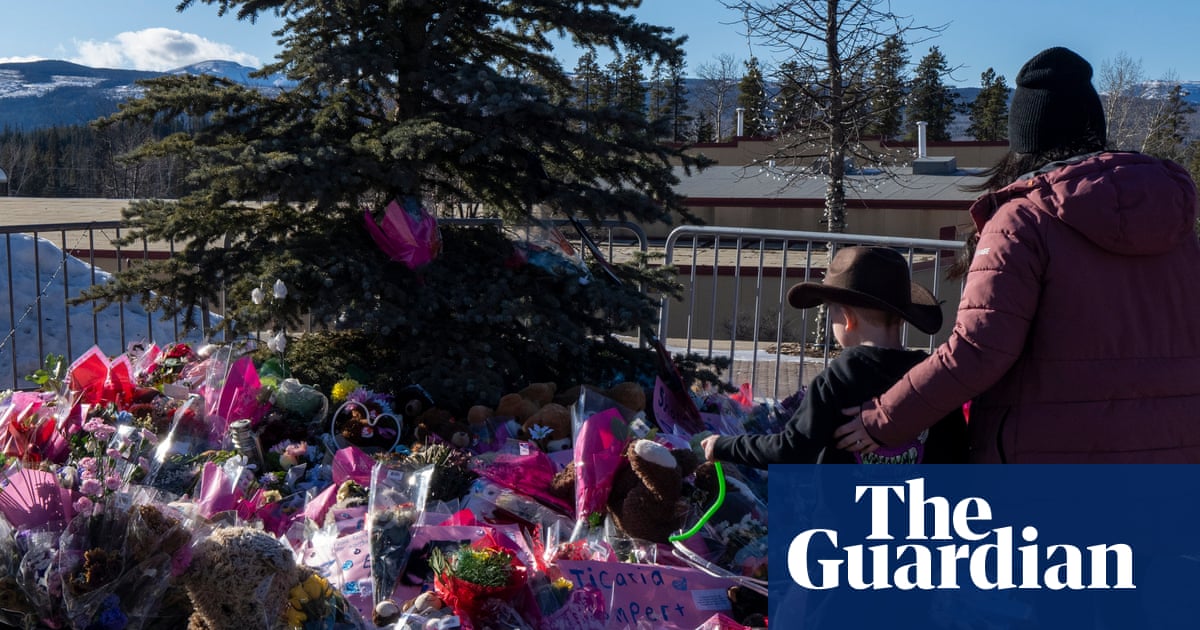
The Canadian province of British Columbia has initiated a federal lawsuit in San Francisco against OpenAI and its chief executive, Sam Altman, alleging that the company’s failure to report suspicious activity contributed to a mass shooting at a school in Tumbler Ridge. Filed on Monday, the legal action asserts that the February attack, which resulted in nine deaths primarily among children, might have been prevented had local law enforcement been notified about the shooter’s use of ChatGPT to plan the massacre. The province is seeking financial compensation to cover recovery costs, including mental health services and the construction of a replacement school, as well as a court order mandating changes to how the company handles conversations that suggest potential violence.
According to the complaint, the shooter, Jesse Van Rootselaar, engaged in interactions with the AI platform that were identified by OpenAI’s internal safety team as concerning. These exchanges, which began in June 2025, involved discussions about gun violence and triggered internal alerts. The lawsuit contends that while safety personnel recommended contacting police, senior leadership, including Altman, overruled those suggestions. Consequently, the shooter’s account was deactivated but not reported to authorities, allowing her to create a new account and continue using the service to finalize her plans before the attack occurred.
The tragedy unfolded on February 10, when Van Rootselaar, then 18 years old, killed her mother and stepbrother at their home before traveling to her former school. There, she shot and killed an educational assistant and five students aged 12 and 13. She subsequently died by suicide. The legal filing highlights that the school building is currently being demolished, placing a significant financial burden on the province for reconstruction and ongoing support services for the affected community.
The lawsuit challenges the narrative presented by OpenAI leadership in the aftermath of the shooting. Altman had published a letter expressing deep regret that the company did not contact law enforcement and promised reforms to prevent similar incidents. However, the province alleges that these promises were not fulfilled despite efforts by British Columbia’s attorney general to engage with the company. The complaint cites whistleblowers who spoke to the Wall Street Journal, suggesting a disconnect between internal safety protocols and executive decisions regarding when to escalate threats to external authorities.
OpenAI has maintained that its systems are designed to refuse requests that could meaningfully enable violence and that it notifies law enforcement only when conversations indicate an imminent and credible risk of harm. Following media reports about the internal handling of Van Rootselaar’s case, the company stated that while her account was flagged for misuse related to violent activities, the issues did not meet its specific internal criteria for mandatory reporting to police. A spokesperson for OpenAI described the shooting as an unspeakable tragedy and reaffirmed the company’s commitment to collaborating with government officials on safety measures.
This lawsuit represents a significant escalation in legal challenges facing artificial intelligence developers over their role in facilitating real-world violence. It follows similar actions taken by more than 30 family members of victims and other affected individuals, who have filed suits in California accusing the company of neglecting opportunities to prevent the attack. The British Columbia case adds governmental weight to these claims, arguing that the company’s operational choices directly impacted public safety outcomes.
The legal landscape surrounding AI liability is rapidly evolving, with multiple jurisdictions scrutinizing how technology companies manage harmful content. In June, Florida became the first U.S. state to sue OpenAI, alleging that the company misrepresented the safety of its platform and harmed children by providing information useful to school shooters, offering self-harm guidance, and creating addictive experiences for young users. Additionally, lawsuits related to a mass shooting at Florida State University have been filed in recent months, further intensifying pressure on the industry.
As these cases proceed through the U.S. legal system, they raise broader questions about the responsibility of technology firms in identifying and mitigating threats generated through their platforms. The British Columbia lawsuit specifically seeks not only monetary damages but also injunctive relief to force changes in how ChatGPT conversations are monitored and reported. The outcome of these proceedings could set important precedents for how AI companies balance user privacy, safety protocols, and legal obligations to prevent harm.
The province’s decision to sue underscores the severe long-term consequences of the Tumbler Ridge shooting, which has disrupted local education and strained community resources. By pursuing legal action in California, British Columbia aims to hold OpenAI accountable for what it describes as a failure to act on known risks. The case will likely hinge on whether courts determine that the company’s internal criteria for reporting threats were reasonable or if they constituted negligence in the face of clear warning signs.
OpenAI has consistently denied allegations that its technology facilitates violence, emphasizing its training models to refuse harmful requests. However, the specific details outlined in the British Columbia complaint suggest a complex internal dynamic where safety recommendations were overridden by executive judgment. As litigation continues, stakeholders will be watching closely to see how courts interpret the duty of care owed by AI developers to the public and whether existing safety frameworks are sufficient to prevent future tragedies.
Sources behind this briefing
Go to the original reporting
- The Guardian World↗British Columbia sues OpenAI and Sam Altman over Tumbler Ridge mass school shooting

