The short version
- British officials maintain full support for President Volodymyr Zelenskyy despite US President Donald Trump's public call for a new Ukrainian leader.
- The diplomatic friction arises as Trump links rising American diesel prices to Ukrainian military actions, citing domestic election pressures.
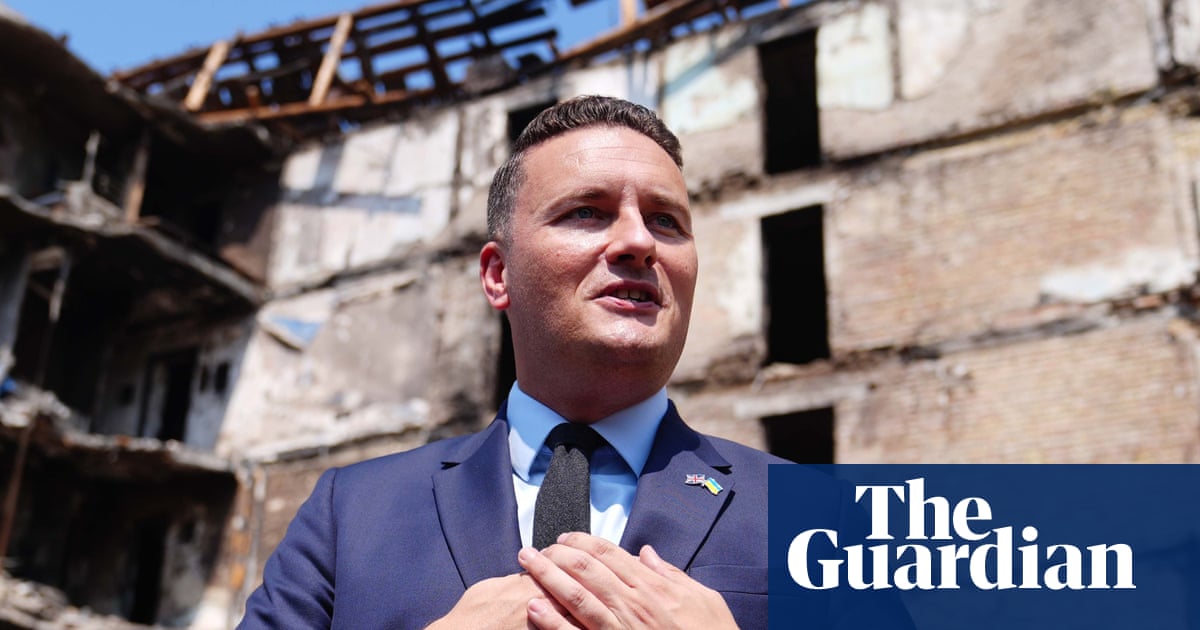
- UK Defense Secretary Wes Streeting warns that purchasing Russian fuel undermines sanctions and risks increasing casualties in Ukraine.
British leadership has issued a firm reaffirmation of its support for Ukrainian President Volodymyr Zelenskyy, directly countering recent public remarks from US President Donald Trump suggesting Kyiv requires new political leadership. Defense Secretary Wes Streeting stated clearly that the United Kingdom stands with Ukraine and its current president, emphasizing that the decision regarding who leads the country must remain solely in the hands of the Ukrainian people. This stance comes as Washington faces intensifying domestic scrutiny over energy costs, which have surged due to broader geopolitical conflicts including tensions with Iran.
The diplomatic tension emerged after Trump argued that Zelenskyy had failed to secure a peace agreement and accused Ukrainian military strikes on Russian oil refineries of contributing to higher diesel prices in the United States. Trump suggested that a new leader might be better positioned to negotiate an end to the war. In response, Streeting highlighted that Vladimir Putin remains the aggressor who initiated the conflict and retains the unilateral power to cease hostilities. The British defense secretary framed the situation as one where Moscow bears primary responsibility for the ongoing violence.
Streeting acknowledged the political realities facing the Trump administration, noting that midterm elections are approaching and that cost-of-living pressures are significant issues for American voters. He observed that leaders globally face similar challenges regarding energy prices and economic stability. However, he expressed a preference for maintaining strong sanctions against Russia rather than easing them to address short-term domestic concerns. The defense secretary sought to balance candor about US political pressures with a commitment to preserving Western unity on the issue of Russian aggression.
The controversy centers partly on a recent agreement announced by the United States to purchase diesel from Russia, a move that has drawn sharp criticism from Ukrainian officials. President Zelenskyy condemned the deal as a direct benefit to Putin, warning that increased revenue from energy exports would directly fund Moscow’s war effort against Ukraine. This financial influx could enable the Russian military to sustain its operations longer and with greater intensity, undermining international efforts to isolate Russia economically.
Military experts in the United Kingdom have echoed these concerns, pointing out that funds generated from oil and gas sales are used to purchase weapons systems including missiles and drones targeted at Ukrainian infrastructure and personnel. General Sir Richard Barrons, a contributor to Britain’s strategic defense review, warned that the US decision to buy Russian fuel effectively sacrifices security interests for electoral gain. He stated unequivocally that such financial support for Moscow would likely result in additional Ukrainian casualties.
Prime Minister Andy Burnham reinforced this position during a telephone conversation with Zelenskyy, reiterating complete solidarity with Ukraine and agreeing to meet in person soon. Downing Street confirmed that both leaders called for an immediate ceasefire in energy sectors while pledging to strengthen existing sanctions against Russia. The UK government aims to demonstrate that despite differences in approach between Washington and London, the fundamental commitment to Ukrainian sovereignty remains intact.
Streeting cautioned against overstating the immediate impact of the US diesel purchase while also refusing to understate the broader support the United States continues to provide to Kyiv. He emphasized the importance of avoiding public confrontations that could fracture the alliance. The defense secretary’s comments reflect a delicate balancing act, aiming to address domestic political pressures in the US without compromising the strategic objective of supporting Ukraine against Russian invasion.
In related developments, Streeting addressed questions about potential British military involvement in other regional conflicts, specifically regarding Houthi attacks in Saudi Arabia. He described recent strikes on Riyadh’s airport as a shocking escalation but stated that the UK is not currently considering offensive operations. Instead, Britain continues to provide air-to-air refueling and ground-based air defense support, with discussions ongoing about further assistance. This focus remains distinct from the Ukraine situation, where the priority is maintaining diplomatic and economic pressure on Russia.
The situation underscores the complex interplay between domestic politics in major powers and international conflict resolution. As fuel costs continue to impact agricultural states and contribute to inflation in the US, the political incentive to ease sanctions grows stronger. However, British officials argue that such moves would ultimately prolong the war and increase human suffering. The coming days will likely see further diplomatic engagement as leaders attempt to align their domestic economic needs with long-term security strategies.
Observers note that the unity of Western nations has been tested by these diverging priorities. While the US grapples with voter sentiment regarding energy prices, the UK maintains a stricter stance on sanctions and support for Ukrainian leadership. The outcome of these diplomatic efforts will have significant implications for the trajectory of the war in Ukraine and the broader geopolitical landscape. The focus remains on whether economic pressures can be managed without undermining the collective response to Russian aggression.
Sources behind this briefing
Go to the original reporting
- The Guardian World↗Britain stands behind Zelenskyy, says Streeting after Trump’s call for new leader in Ukraine