The short version
- Neso issued an electricity margin notice for Monday morning due to a projected shortfall linked to low wind speeds across Europe.
- Initial estimates of the supply gap were nearly 1,400 megawatts, though subsequent reviews reduced the required contingency power significantly.
- Officials emphasized that the alert is a precautionary market mechanism and does not indicate any risk of blackouts or service interruptions for consumers.
The United Kingdom’s electricity system operator issued an unusual call for additional power generation on Monday morning, marking a departure from historical patterns where such alerts are typically reserved for peak evening demand during cold winter months. The National Energy System Operator (Neso) identified a potential shortfall in supply margins between 6:00 am and 11:00 am, prompting the activation of contingency protocols to ensure grid stability.
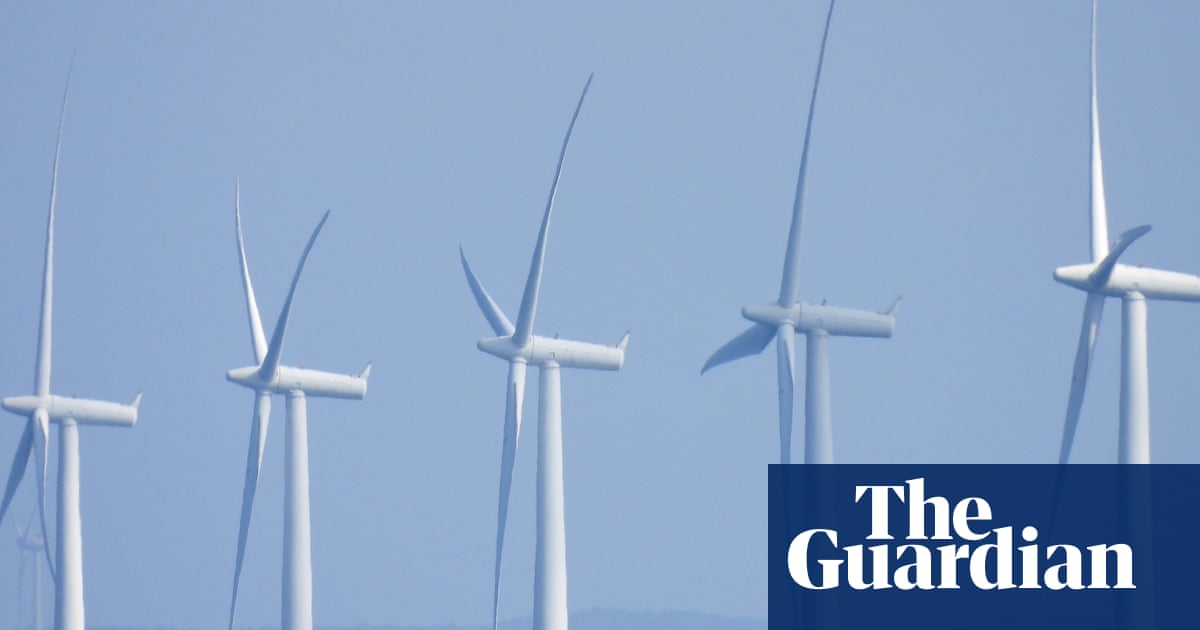
The alert was triggered by forecasts indicating significantly reduced wind power generation across Europe. This continental lull in renewable output has created a tighter balance for Britain’s energy markets, even though domestic weather conditions did not present immediate physical constraints on the grid infrastructure. The situation underscores the increasing interdependence of European energy systems and how regional meteorological events can ripple through national supply chains.
Initial assessments conducted on Sunday night projected a supply gap of approximately 1,400 megawatts. To address this deficit, Neso required the market to secure an additional 800 megawatts of generation capacity within eight hours, roughly equivalent to the output of a medium-sized gas-fired power plant. This initial call was part of a structured review process designed to test the availability of reserve resources before the morning peak.
Following a pre-dawn review at 4:00 am, the operator issued a second notice indicating that the situation had improved. The margin call helped reduce the projected shortfall to 500 megawatts. While no further emergency contingency power was deemed necessary at that stage, Neso retained the option to request additional generation from power plants during the 8:00 am to 11:00 am window if conditions deteriorated.
This event represents a shift in how grid operators manage supply risks. Historically, electricity margin notices have been associated with high-demand periods, such as cold winter evenings when heating needs drive consumption to annual highs. The occurrence of such an alert during a morning period suggests that the volatility of renewable sources is creating new challenges for system balancing, even outside traditional peak hours.
Recent months have seen an uptick in similar alerts from Neso, including instances during the summer when heatwaves simultaneously increased demand and reduced generation efficiency. These recurring notices reflect the ongoing adaptation of the grid to a more variable energy mix. The operator continues to monitor supply and demand on a minute-by-minute basis, utilizing market mechanisms to incentivize generators to provide extra capacity when needed.
Despite the technical alerts, officials were careful to reassure the public that there is no threat to customer electricity supplies. A spokesperson for Neso described the notice as a routine and precautionary measure intended to give market participants an opportunity to make additional generation available. The operator explicitly stated that customers do not need to take any action and that the electricity system remains secure.
The alert was issued even though there were no reported physical constraints on the grid that would prevent power plants or wind farms from operating normally. Furthermore, the UK is currently forecast to export electricity to Europe, indicating that the issue is one of market margin management rather than a physical inability to deliver power. A further review of electricity supplies was scheduled for 7:30 am to assess the final status of the morning’s energy balance.
The incident highlights the delicate nature of modern energy systems where supply margins are often tighter than in previous decades. As reliance on intermittent renewable sources grows, grid operators must employ more frequent and varied contingency measures to maintain reliability. The successful management of this morning’s shortfall demonstrates the effectiveness of current market-based tools, even as it signals the need for continued vigilance in an evolving energy landscape.
Looking ahead, the frequency of such alerts may serve as an indicator of how well the grid is adapting to the realities of a low-carbon transition. While no immediate crisis exists, the recurrence of margin notices during non-peak hours suggests that system planners must account for a wider range of scenarios. The coming weeks will likely see continued monitoring of wind patterns and their impact on cross-border energy flows.
Sources behind this briefing
Go to the original reporting
- The Guardian US↗Rare call for more electricity supplies as wind power drops across Europe


