The short version
- The United Kingdom has banned imports from Israeli settlements and prohibited companies from providing services such as construction or financing to them.
- Foreign Secretary Ed Miliband stated that the UK now considers the entire occupation of the West Bank unlawful, accusing settlers of carrying out ethnic cleansing with government backing.
- Israel retaliated by closing the British consulate in Jerusalem, expelling UK representatives from ceasefire monitoring duties, and banning entry for several British politicians.
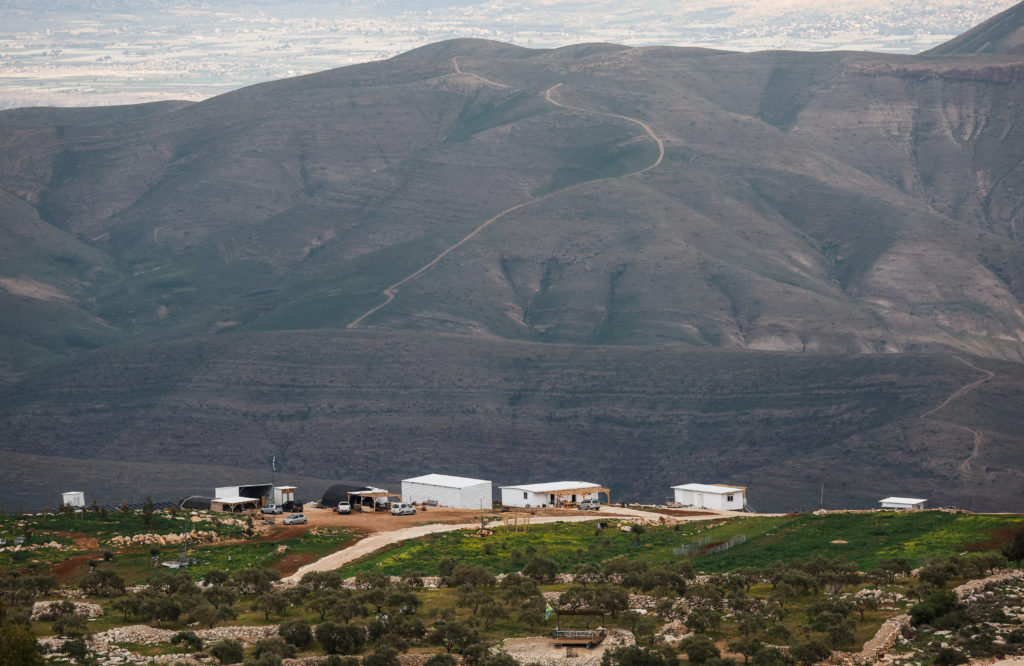
The United Kingdom has enacted a significant hardening of its diplomatic stance toward Israel, announcing a comprehensive ban on trade with Israeli settlements in the occupied West Bank. Foreign Secretary Ed Miliband declared that the government now views the entirety of Israel’s occupation of the territory as illegal, marking a departure from previous positions that focused primarily on the illegality of the settlements themselves. This policy shift includes prohibitions on importing goods produced in these areas and bars British companies from offering services such as construction, infrastructure development, real estate management, advertising, and financing to settlement enterprises.
In a joint statement issued alongside French President Emmanuel Macron and Canadian Prime Minister Mark Carney, British Prime Minister Andy Burnham emphasized that the expansion of settlements and associated violence pose an urgent threat to the viability of a two-state solution. The leaders argued that decisive action was necessary before the prospect of a future Palestinian state became unattainable. Miliband described the situation in stark terms, asserting that settler groups are engaged in ethnic cleansing against Palestinians, supported by statements and actions from members of the Israeli government. He cited reports of bulldozed homes, destroyed infrastructure, and displaced families as evidence of this pattern.
The Israeli government responded with immediate and severe diplomatic retaliation. Foreign Minister Gideon Sa’ar condemned the British measures as despicable and based on outrageous lies, accusing the UK of systematically working against the state of Israel. In response, Israel announced it would close the British consulate in Jerusalem and expel UK representatives from a joint military center responsible for monitoring the Gaza ceasefire. Additionally, Israel ended training programs for Palestinian Authority security forces conducted by the British and barred entry to a dozen British lawmakers and activists, including prominent figures such as Jeremy Corbyn and Diane Abbott, whom Sa’ar accused of involvement in antisemitic activities.
While the economic impact of the trade ban is expected to be limited due to the relatively small volume of agricultural exports from the settlements, the move carries substantial symbolic weight. It reflects growing international isolation for the Israeli government under Prime Minister Benjamin Netanyahu, whose administration has overseen a surge in settlement construction since taking power. The international community widely regards such construction as illegal under international law, with particular concern focused on projects like E1, which could effectively sever the northern and southern parts of the West Bank, undermining territorial contiguity for any future Palestinian state.
The UK’s new sanctions regime also includes personal sanctions against individuals accused of promoting settler violence and a tightening of the existing embargo on weapons sales to Israel. Miliband clarified that arms licenses would be denied for equipment that materially contributes to the occupation of Palestinian territories. The legislation enforcing these measures is expected to take effect within six to nine months, though officials acknowledged potential legal challenges could delay implementation. Several other European nations, including Denmark, Finland, Iceland, Poland, Portugal, and Sweden, have pledged support for further action, while countries like the Netherlands, Ireland, Belgium, Spain, and Norway have already banned or are processing bans on settlement goods.
Domestically, the policy shift aims to address concerns within the Labour Party and among progressive voters who have urged stronger action against Israeli policies. Burnham acknowledged in a written statement that the UK had been hesitant to act previously, fearing accusations of being anti-Israel, and expressed regret for the delay. However, the decision has drawn criticism from some quarters, including the Chief Rabbi of the UK, Ephraim Mirvis, who described it as a dark day for British Jews. Opposition Conservative figures have also warned that isolating Israel could inadvertently strengthen Netanyahu’s political position ahead of upcoming elections.
The United States has not joined the coalition of nations imposing sanctions. Secretary of State Marco Rubio stated that Washington would not follow the UK’s course of action, citing concerns about destabilizing the West Bank, though he declined to comment further on specific retaliatory measures. Ambassador Mike Huckabee warned that the US could take retaliatory action regarding trade issues. Despite this divergence, Burnham confirmed that President Donald Trump had been briefed on the plan in advance, suggesting a level of diplomatic coordination even amid policy differences.
Miliband stopped short of labeling Israel’s actions in Gaza as genocide, stating that the UK would await determinations from international courts, but he did acknowledge evidence of war crimes. He expressed deep shame over the unfolding humanitarian crisis in Palestine and emphasized that Britain would no longer remain silent in the face of what he described as deep injustice. The government’s stance represents a pivotal moment in British foreign policy, balancing longstanding alliance ties with Israel against increasing pressure to address human rights concerns and uphold international law regarding occupied territories.
Sources behind this briefing
Go to the original reporting
- PBS NewsHour↗UK government bans trade with Israeli settlements and accuses settlers of 'ethnic cleansing'
- The Guardian World↗UK accuses Israeli ‘terrorists’ of ethnic cleansing in West Bank with government backing
- The Guardian US↗UK condemns Israeli settler ethnic cleansing in West Bank - The Latest

