The short version
- The remains of Edward Colston are expected to stay at All Saints church in Bristol, adhering to Christian burial norms that discourage disturbing interred bodies.
- The diocese is consulting with the public on converting the long-closed building into a community resource focused on truth-telling regarding the slave trade.
- Final decisions on the site's future are months away, reflecting a broader effort to address Bristol's complex historical legacy through reconciliation rather than erasure.
The physical remains of Edward Colston, the 17th-century merchant and enslaver whose statue was toppled in 2020, are likely to remain interred at All Saints church in Bristol. This development emerges as diocesan leaders navigate the future of the historic building, which has stood closed since 1984. The decision reflects a careful balance between respecting religious burial traditions and addressing the painful history associated with Colston’s name and legacy in the city.
Mandy Ford, the dean of Bristol, indicated that standard guidance within the Church of England presumes against disturbing remains that have received Christian burial unless exceptional circumstances arise. Consequently, the default position is for Colston’s bones to stay where they currently rest. Ford noted that only a radical rebuilding of the structure might provide sufficient justification for relocating the interment, but such a scenario has not been confirmed as part of the current plans.
The church sits on Corn Street, one of Bristol’s busiest thoroughfares, and its potential transformation into a community resource is under active consideration. The diocese has engaged in extensive consultations with local residents to determine how the space might serve the public. Early indications suggest the building could become a venue for reflecting on the port’s deep connections to the transatlantic slave trade, offering a physical location for difficult conversations about the past.
Ford brings specific experience to this delicate process, having previously overseen the reinterment of King Richard III’s remains in Leicester after their discovery in a parking lot. She acknowledged that individuals hold varying views on the spiritual and theological significance of human remains. However, she emphasized that the church recognizes the practice of slavery as fundamentally wrong and sinful, framing the retention of the remains not as an endorsement of Colston, but as adherence to burial protocols.
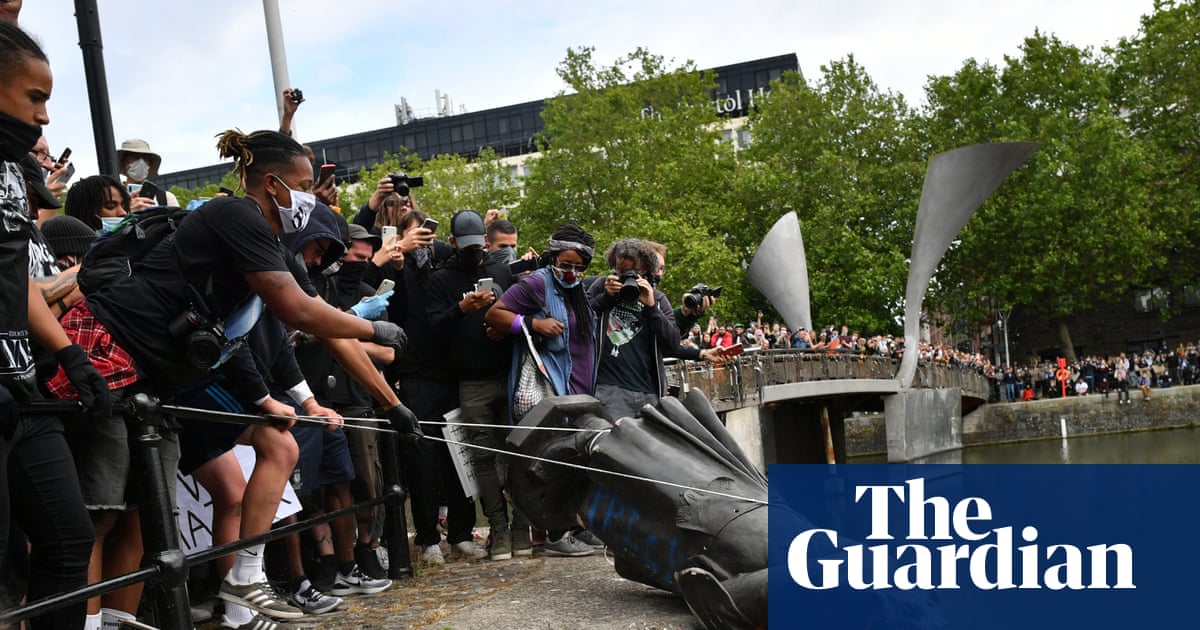
The question of how to handle sites linked to Colston has proven contentious in Bristol since the global protests of 2020. Following the removal of his statue, which was thrown into the harbor, the diocese removed windows celebrating him from two churches. The fall of the statue served as a catalyst for broader institutional changes, including the renaming of Bristol’s concert hall to Bristol Beacon. These actions signaled a shift toward acknowledging the harm caused by Colston’s activities.
Rev. Anjali Kanagaratnam, who is leading the consultation process for All Saints, reported a wide spectrum of community reactions. Some residents expressed strong aversion to the building, stating they never wished to return, while others were surprised by its existence and eager to involve their children in its story. Kanagaratnam stressed the importance of hearing from those directly affected by the legacy of transatlantic slavery, as well as engaging with white working-class communities in south Bristol who may have different relationships with the site.
The potential for All Saints to serve as a place of truth-telling and reconciliation is viewed positively by church leaders. Ford suggested that the project could align with historical initiatives undertaken by other local institutions, such as the University of Bristol and the Bristol Old Vic. By integrating these efforts, the city might foster a more cohesive approach to understanding its history, which Ford described as essential for a peaceful and flourishing civic future.
No final decision regarding the fate of All Saints has been made, and officials anticipate that it will be many months before a definitive plan is established. The prolonged timeline allows for continued dialogue and ensures that diverse voices are considered in the transition from a closed religious building to an active community space. This cautious approach underscores the complexity of managing heritage sites tied to controversial historical figures.
As Bristol grapples with its colonial past, the handling of Colston’s remains illustrates the broader challenges of urban memory and justice. The decision to leave the bones undisturbed while repurposing the building represents a compromise that seeks to honor religious tradition without ignoring historical accountability. The outcome will likely influence how other cities approach similar dilemmas involving monuments and memorials linked to slavery and colonialism.
The ongoing consultation process highlights the city’s attempt to move beyond symbolic gestures toward substantive engagement with history. By creating a space for learning and reconciliation, Bristol aims to address the wounds of the past while building a more inclusive future. The success of this endeavor will depend on the ability of community leaders to maintain open dialogue and ensure that the new use of All Saints serves the needs of all residents.
Sources behind this briefing
Go to the original reporting
- The Guardian World↗Edward Colston’s remains likely to stay at Bristol church that could become community space