The short version
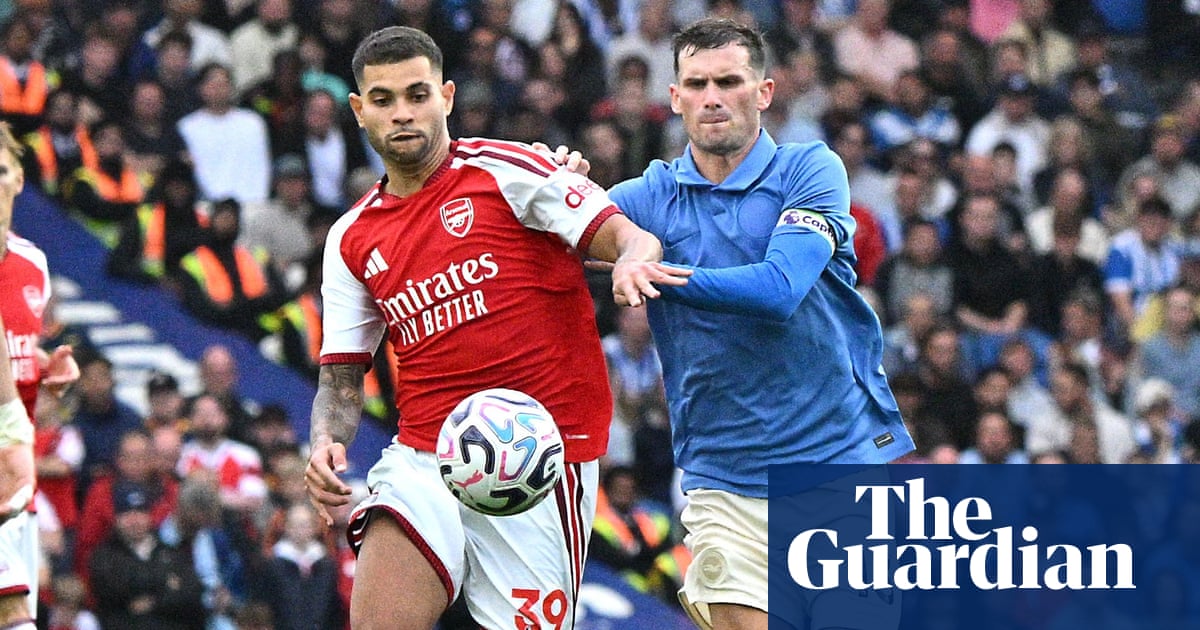
- Brighton defeated Arsenal 3-0 using an intense pressing scheme that disrupted build-up play and forced turnovers in dangerous areas.
- Arsenal’s defensive line struggled with space management, conceding high-quality goals from low-probability shots despite having a higher expected goal total.
- Squad fatigue and the absence of key defenders like William Saliba contributed to the performance, though the team remains near the top of the standings.
Arsenal entered the weekend as the reigning Premier League champions, riding a wave of momentum that included nine consecutive league victories. That streak ended abruptly on Saturday when Brighton & Hove Albion delivered a comprehensive 3-0 victory at the Amex Stadium. The result marked the Gunners’ first defeat by three goals in more than three years, shattering the aura of invincibility that had defined their title-winning campaign and early-season dominance.
The core of Brighton’s success lay in a meticulously organized pressing strategy designed to suffocate Arsenal’s possession-based approach. Manager Fabian Hürzeler instructed his players to maintain relentless pressure during settled phases, preventing the champions from reaching the edge of the penalty area. By denying space to key creators, particularly Martin Ødegaard, Brighton forced Arsenal into hurried clearances and long balls that rarely yielded offensive opportunities.
Chema Andrés played a pivotal role in this tactical disruption, shadowing Ødegaard whenever the Norwegian midfielder dropped deep to receive the ball. This man-to-man marking effectively neutralized Arsenal’s primary playmaker and created numerical disadvantages in midfield build-up situations. With four Brighton players converging on fewer Arsenal options, the home side consistently won the ball back in advanced positions, allowing them to launch rapid counterattacks before the defense could reorganize.
The physical demands of Brighton’s system were evident throughout the match. Three of the four players covering the most distance belonged to the visiting team, highlighting the athletic intensity required to sustain such high-pressure tactics. This endurance allowed Brighton to maintain their shape and energy levels well into the second half, ensuring that Arsenal never found a rhythm or regained control of the game’s tempo.
Despite the lopsided scoreline, underlying metrics suggest some elements of luck favored Brighton. Two of their three goals originated from low-probability shots taken from outside the box, resulting in a total expected goal value of just 1.31 compared to Arsenal’s 1.63. While the finishing was clinical, the defensive lapses that allowed these chances to develop remain a significant concern for Mikel Arteta and his coaching staff.
Several contextual factors may have contributed to Arsenal’s subdued performance. The match came during a congested fixture list, representing the team’s fourth away game in ten days. Additionally, key players including Ødegaard, Declan Rice, and Bukayo Saka missed pre-season preparation due to extended World Cup commitments, potentially affecting their sharpness and cohesion on the pitch.
Defensive absences further complicated matters for Arsenal. William Saliba remained sidelined with injury, leaving Gabriel Magalhaes without his usual partner in central defense. The absence of Ben White also disrupted the chemistry between him and Saka on the right flank, a partnership that had been instrumental in the team’s early-season success. Without these stabilizing influences, the backline appeared disjointed and slow to react to Brighton’s transitions.
While the loss is alarming, it does not necessarily signal the end of Arsenal’s title hopes. The team remains competitive in the standings, sitting just two points behind Manchester City at the top of the table. Their record prior to this match included seven wins in seven competitions, demonstrating a level of consistency that suggests resilience rather than collapse.
However, the manner of the defeat provides valuable insights for rival managers and analysts. Brighton’s ability to disrupt Arsenal’s structure through coordinated pressing and physical dominance offers a potential template for other teams seeking to challenge the champions. As the international break concludes, Arteta will face pressure to address these tactical vulnerabilities before his squad resumes domestic competition.
The upcoming weeks will test whether this result was an isolated incident or the beginning of a broader trend. If Arsenal cannot adapt their build-up play to withstand high-intensity pressing, similar performances may follow. Conversely, if they can restore defensive solidity and midfield control, the title race remains wide open with several months still remaining in the season.
Sources behind this briefing
Go to the original reporting
- The Guardian US↗Has Arsenal been figured out? Three big questions after Brighton’s upset

