The short version
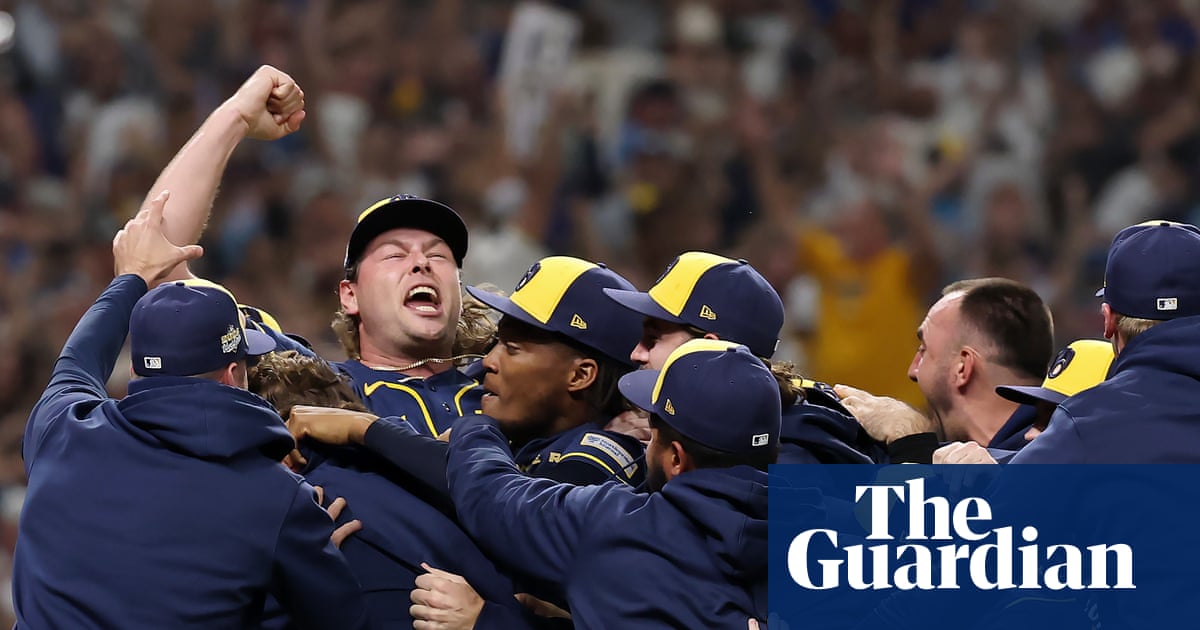
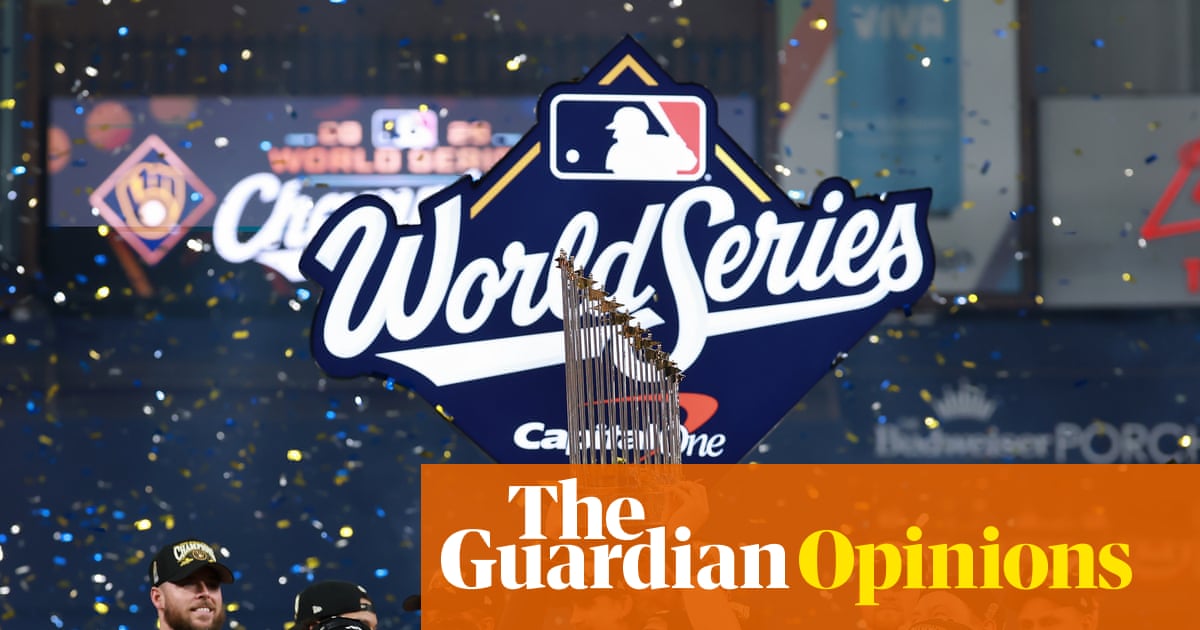
- The Milwaukee Brewers defeated the Tampa Bay Rays in five games to claim their first World Series title in franchise history.
- Team owners had spent the season arguing that competitive balance requires a salary cap, claiming small-market teams cannot sustain success.
- The victory exposes a contradiction between owner rhetoric and on-field performance, potentially complicating upcoming labor negotiations.
The Milwaukee Brewers secured their first World Series championship in franchise history by defeating the Tampa Bay Rays in five games. The series concluded with a 4-1 victory for Milwaukee on October 28, 2026, at Tropicana Field in St. Petersburg. This result marks a significant moment for the organization, which has existed for 58 years without a title. The win ends a long period of postseason frustration for the team and its fans.
The championship carries implications beyond the field, directly challenging narratives promoted by Major League Baseball owners throughout the season. Team executives have consistently argued that small-market franchises cannot compete effectively against wealthy teams without the implementation of a salary cap. They framed the 2026 season as a precursor to necessary labor reforms, suggesting that competitive balance is impossible under current financial structures.
Milwaukee’s performance this season contradicts those assertions. The team spent 149 days atop the standings and recorded a franchise-record 103 regular-season wins. They dominated their division, securing their fourth consecutive National League Central title and fifth in six years. Their margin of victory over division rivals was 14 games, demonstrating sustained excellence rather than fleeting success.
Owners dismissed these achievements as anomalies or illusions. Reports indicated that even after Milwaukee swept the Los Angeles Dodgers in four games during the playoffs, owner sentiment regarding the need for a salary cap remained unchanged. The prevailing view among team executives was that the Brewers’ success was an outlier that did not reflect the broader economic realities of the sport.
The skepticism toward Milwaukee’s regular-season dominance stemmed from previous postseason failures. The team had struggled in recent playoff runs, leading some observers to question whether their summer wins translated to championship capability. Critics suggested that without a title, the Brewers’ record was merely an illusion of competitiveness. Winning the World Series was seen as the only way to silence these doubts.
The series against Tampa Bay showcased Milwaukee’s resilience and skill. They won Game 1 by a score of 3-2 and Game 2 with a 5-4 victory. A decisive 10-1 win in Game 3 shifted momentum firmly in their favor. Although Tampa Bay took Game 4 in twelve innings, Milwaukee closed out the series with a 4-1 victory in Game 5. The performance was described as ruthless and focused, highlighting the team’s determination to prove their championship status.
This victory serves as a rebuke to the economic arguments used by baseball’s leadership. For years, owners have insisted that financial disparities predetermine outcomes, making a salary cap essential for fairness. The Brewers’ success suggests that small-market teams can build and maintain elite rosters without such restrictions. Their achievement undermines the premise that money alone dictates competitive balance.
The timing of this championship complicates upcoming labor negotiations. Owners have pushed for a salary cap after decades of resistance from players, arguing it is necessary to preserve the sport’s integrity. The Brewers’ title run provides concrete evidence against this position. It highlights the disconnect between owner rhetoric and on-field reality, potentially strengthening the players’ stance in future contract discussions.
Looking ahead, the labor dispute remains unresolved. Reports suggest that negotiations could lead to a shutdown of the game, potentially affecting spring training and parts of the 2027 season. The Brewers’ title defense may be jeopardized if a stoppage occurs. However, their victory has already shifted the narrative, forcing a reevaluation of how competitive balance is defined and achieved in Major League Baseball.
The emotional significance of this win cannot be overstated for Milwaukee fans. The team has endured years of heartbreak, including recent postseason losses to the Dodgers. This championship heals old wounds and validates the team’s long-term strategy. It stands as a testament to the idea that excellence can emerge from markets traditionally viewed as disadvantaged in the sport’s economic landscape.
Sources behind this briefing
Go to the original reporting
- The Guardian US↗The low-budget Brewers won the World Series – and exposed baseball’s biggest lie