The short version
- The Milwaukee Brewers defeated the Los Angeles Dodgers 7-4 in Game 2 of the National League Championship Series, taking a 2-0 series lead.
- William Contreras drove in two key runs, including a home run and the go-ahead single, while four relievers shut down the Dodgers' offense for the final six innings.
- The Dodgers struggle with offensive production continues, as they have recorded only two hits with runners in scoring position during the postseason.
The Milwaukee Brewers have seized a commanding position in the National League Championship Series, defeating the Los Angeles Dodgers 7-4 on Monday night to take a 2-0 lead in the best-of-seven matchup. The victory marks a significant shift in momentum for the series, placing the two-time defending World Series champions in precarious territory just two games into the contest. For Milwaukee, this performance brings them within two wins of securing their first National League pennant and a return to baseball’s championship stage since 1982.
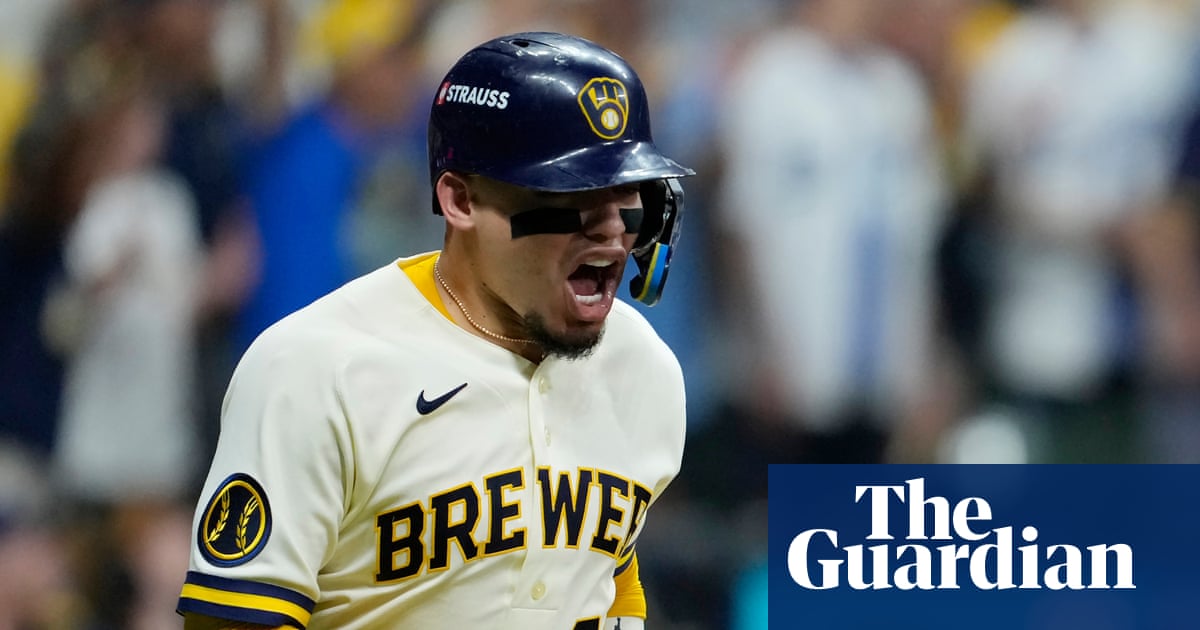
William Contreras emerged as the decisive factor for the Brewers, delivering a multifaceted offensive contribution that broke open a tightly contested game. In the fifth inning, he connected on a powerful home run to center field, measuring approximately 436 feet, which tied the score at 4-4 against Dodgers reliever Kris Bubic. This blast shifted the dynamic of the contest, forcing Los Angeles to respond under increased pressure. Contreras did not stop there; in the sixth inning, he delivered a critical single to left field that drove in the go-ahead run, giving Milwaukee a lead they would not relinquish.
The Dodgers’ pitching staff faced significant challenges early in the game, particularly with Yoshinobu Yamamoto on the mound. Entering the postseason with an impressive 8-1 record and a 2.14 ERA across eleven career playoff appearances, Yamamoto was expected to provide stability. Instead, he lasted only two and two-thirds innings, marking his shortest postseason start. The Dodgers managed to take the lead on three separate occasions during the first five innings, but each advantage was short-lived as Milwaukee consistently found ways to answer, demonstrating resilience and offensive timing that Los Angeles struggled to contain.
Once the game transitioned into a bullpen battle, the Brewers’ relief corps proved superior. After Logan Henderson exited early, four relievers—Dustin May, JoJo Romero, Abner Uribe, and Aaron Ashby—combined to retire fifteen consecutive Dodgers batters. This stretch effectively ended any realistic hope of a Los Angeles comeback in the later innings. The defensive execution was not flawless, however; a critical error by first baseman Freddie Freeman allowed David Hamilton to advance to second base after being hit by a pitch from Brock Stewart. This mistake set the stage for Contreras’ go-ahead single, highlighting how small margins can dictate the outcome of high-stakes playoff games.
Offensive struggles continue to plague the Dodgers as they attempt to defend their title. On Monday, Los Angeles managed only three hits in the entire game, a stark contrast to the firepower typically associated with their lineup. More concerning is their inability to capitalize on scoring opportunities; they went 0 for 4 with runners in scoring position in this game, dropping their postseason total to just two hits in twenty-six such situations. This lack of production in critical moments has been a recurring theme and poses a significant hurdle for the team as they look to mount a comeback.
The historical context adds weight to the current standings. The Brewers are chasing their second World Series appearance overall, having last reached the Fall Classic in 1982 when they were members of the American League. Securing this pennant would mark their first time winning the National League championship. Conversely, the Dodgers are attempting a rare feat: becoming the first team in National League history to win three consecutive World Series titles. The pressure on Los Angeles is immense, compounded by the fact that they have not rallied from a 2-0 deficit to win a series since defeating the Atlanta Braves in seven games during the 2020 postseason.
With the series now shifting to Los Angeles for Game 3 on Wednesday, the Dodgers face an urgent need to adjust their approach. They must generate more consistent offense and protect their lead when they have it, rather than allowing Milwaukee to tie or take control repeatedly. The Brewers, meanwhile, will look to maintain their momentum and exploit the Dodgers’ vulnerabilities in clutch situations. The next few days will be critical in determining whether Los Angeles can overcome this early deficit or if Milwaukee will advance to the World Series.
As the teams prepare for the next installment, the focus remains on execution under pressure. The Brewers have demonstrated that they can compete with and defeat elite pitching, while the Dodgers must find a way to unlock their lineup against seasoned relief arms. The series is far from over, but the balance of power has clearly tilted toward Milwaukee after two dominant performances. Fans and analysts alike will be watching closely to see if the reigning champions can dig deep or if the Brewers’ resurgence will continue unchecked.
The implications extend beyond just this series. A Brewers victory would signal a changing of the guard in the National League, while a Dodgers collapse would raise questions about their ability to sustain excellence over multiple seasons. Regardless of the outcome, Game 2 provided a compelling narrative of strategic pitching, timely hitting, and the fine line between success and failure in October baseball. The stage is set for a pivotal Wednesday contest that could define the trajectory of both franchises.
In summary, the Brewers’ 7-4 win was built on timely offense from Contreras and dominant relief pitching, while the Dodgers’ inability to close out leads or produce with runners in scoring position has left them reeling. The series moves to Los Angeles with Milwaukee holding a significant advantage, but baseball history shows that comebacks are possible. However, the burden of proof now rests squarely on the shoulders of the defending champions.
Sources behind this briefing
Go to the original reporting
- The Guardian US↗Brewers two wins from first World Series since 1982 as Contreras skewers Dodgers


