The short version
- Church leadership dismissed media reports of financial support for far-right activists as entirely false and lacking evidentiary basis.
- The parliamentary committee warned that third-party interference threatens democratic integrity, prompting calls for stricter campaign conduct codes.
- Coalition politicians accused the Labor-led inquiry of targeting religious groups and engaging in partisan persecution rather than impartial investigation.
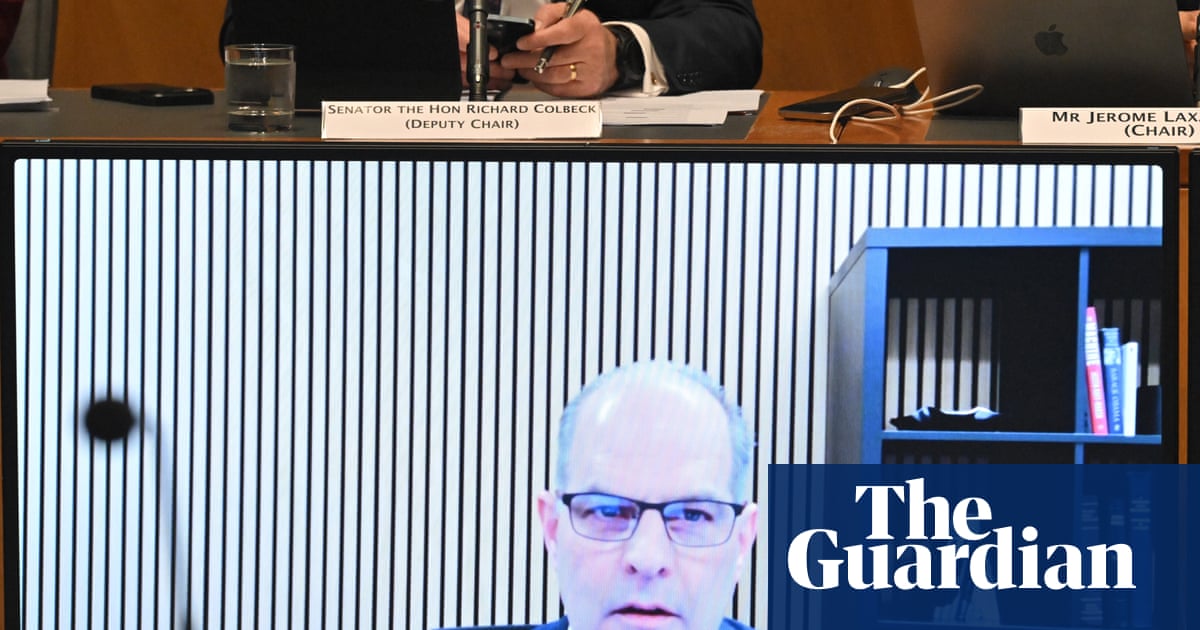
A director of the Plymouth Brethren Christian Church has firmly denied allegations that the organization financially supported far-right influencers who staged disruptive stunts against Prime Minister Anthony Albanese and other political figures during the 2025 federal election. Lloyd Grimshaw, speaking before a parliamentary inquiry into electoral matters, characterized recent media reports as completely fabricated and devoid of any substantive evidence linking the church to such activities.
The controversy stems from reporting by Nine newspapers, which alleged that the church, formerly known as the Exclusive Brethren, paid individuals including Laurence McIntyre to heckle politicians. McIntyre has previously been associated with neo-Nazi figures and organized anti-immigration rallies. The reports further claimed the church coordinated hundreds of volunteers to assist Liberal Party candidates at polling booths across Australia, suggesting a systematic effort to influence the election outcome through third-party operatives.
Grimshaw rejected these claims categorically, stating that no money was donated by the church to any political party or third entity involved in the campaign. He emphasized that the allegations lacked specific details regarding transactions, communications, or monetary amounts, describing them as failing even the lowest threshold for credible gossip. According to Grimshaw, the church did not charter planes, move people around, or fund any political activity whatsoever.
While acknowledging that some church members volunteered at polling stations, Grimshaw insisted this participation was driven by personal motivations rather than organizational directives. He suggested that individuals may have been concerned about economic conditions or simply wished to support local candidates they favored. Any coordination among these volunteers, he argued, occurred independently among the members themselves and did not reflect official church policy or instruction.
The director also addressed reports regarding senior church members, including Mark MacKenzie, engaging in political activities. Grimshaw maintained that such actions were conducted in private capacities during personal time and should not be conflated with the entity’s official stance. He questioned why legitimate democratic participation by individuals was being attributed to the organization as a whole, framing the scrutiny as an unfair collective punishment for religious affiliation.
Tensions escalated when Grimshaw criticized Prime Minister Albanese’s characterization of the Brethren church as a cult. He described the label as offensive, untrue, and hurtful, asserting that the church seeks positive engagement with all members of parliament. This exchange highlighted the deep mistrust between the religious group and government officials, complicating efforts to establish clear boundaries regarding permissible political involvement by faith-based organizations.
The parliamentary committee’s interim report warned that democracy faces significant threats from third parties, specifically naming the Brethren church and right-wing lobby group Advance as entities undermining electoral integrity. The Labor-chaired committee recommended implementing a new code of conduct for campaigners to address these vulnerabilities. However, Coalition politicians have strongly opposed this direction, accusing Labor of conducting a hyper-partisan witch hunt against religious communities.
Nationals leader Matt Canavan condemned the inquiry’s focus on the Brethren church, arguing it represents an attack on people of faith seeking to participate in politics. He described the proceedings as unbecoming of an Australian democracy and suggested that the government was weaponizing the investigation to marginalize conservative religious voices. As the inquiry continues, the debate over third-party influence remains a contentious flashpoint in Australian political discourse.
The situation underscores broader challenges in regulating political spending and volunteer coordination during elections. While the church denies any institutional involvement, the presence of its members at polling booths and their association with controversial figures has fueled public suspicion. The outcome of the inquiry may set important precedents for how religious organizations navigate political engagement without crossing into prohibited interference.
Moving forward, the committee must reconcile conflicting narratives about the extent of third-party influence in the 2025 election. If the allegations against the Brethren church remain unsubstantiated, it could weaken calls for stricter regulations on non-traditional campaign actors. Conversely, if evidence emerges linking the church to coordinated efforts, it may justify enhanced oversight mechanisms. The resolution will likely impact future electoral laws and the balance between religious freedom and democratic accountability.
Sources behind this briefing
Go to the original reporting
- The Guardian World↗Brethren church denies paying far-right activists to stage election stunts targeting Albanese and others

