The short version
- The executive order takes immediate effect but requires congressional approval within four months to remain permanent.
- Users have until early October to withdraw funds, and new deposits are prohibited immediately.
- Critics argue the move is an electoral tactic, while supporters cite significant economic losses and social harm linked to gambling addiction.
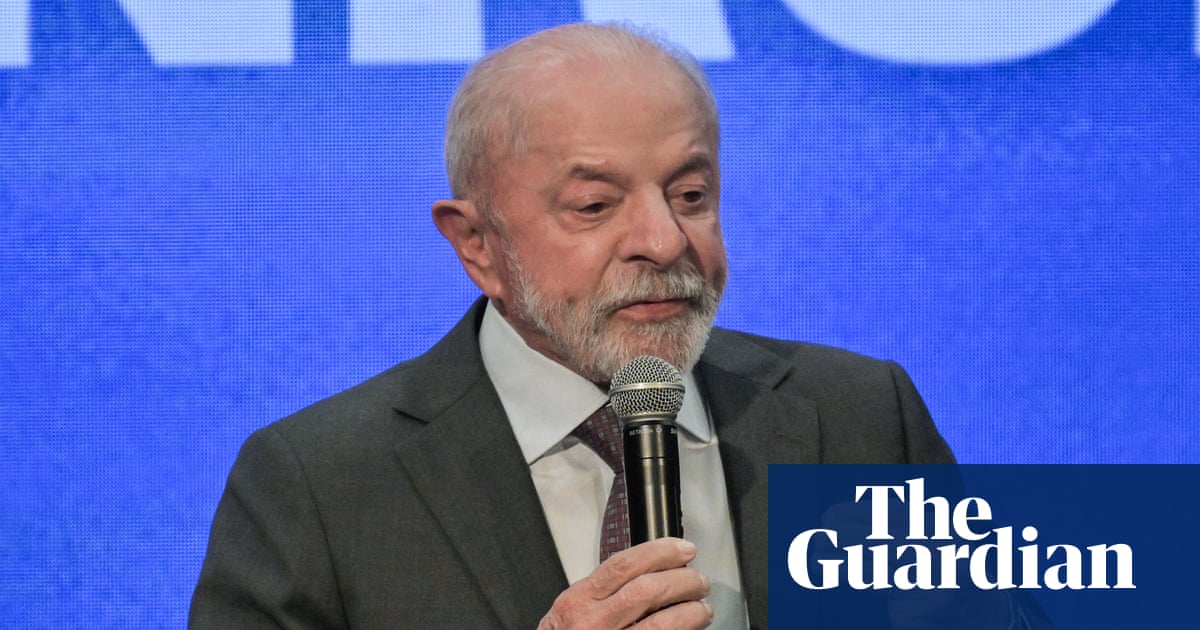
Brazilian President Luiz Inácio Lula da Silva has issued a provisional executive order banning fixed-odds sports betting across the country. The directive, signed just over a week before the first round of the presidential election, prohibits the operation, offering, intermediation, and advertising of such betting services. Lula described the action as a hard, drastic, and necessary measure aimed at addressing the pervasive issue of families falling into debt due to gambling.
The order takes effect immediately, halting new deposits into betting accounts. Users of existing platforms are granted until October 5 to withdraw their remaining funds. However, the ban is not yet permanent; it requires approval from Congress within 120 days to remain in force. The administration has also drafted legislation to establish criminal offenses related to fixed-odds betting, including penalties for promoting these services and using personal data to solicit customers.
Lula has been vocal about his opposition to the industry for months, comparing the spread of gambling addiction to cancer that must be removed to prevent societal collapse. During a recent address at the United Nations General Assembly, he accused the betting sector of transforming addiction into profit and destroying homes. His government argues that the ban is essential to stop a drain on the national economy and to mitigate a growing public health crisis characterized by increased rates of suicide and depression among gamblers.
The financial impact of gambling in Brazil is substantial. A 2025 study by the Institute of Studies for Health Policies estimated that betting costs Brazilian society approximately 38.8 billion reais annually. The country’s central bank reported last year that Brazilians spend about 30 billion reais on bets each month. This spending includes funds from beneficiaries of the federal welfare program Bolsa Familia, which was previously blocked from accessing these platforms.
The political context of the ban is contentious. Flávio Bolsonaro, Lula’s main rival in the upcoming election, accused the president of implementing an electoral measure designed to sway public opinion rather than address a genuine policy issue. Polls indicate that a ban on sports betting enjoys widespread support among Brazilians, suggesting the move may resonate with voters concerned about financial stability and social welfare.
The rise of online betting in Brazil has been rapid since the sector was opened in 2018 during Michel Temer’s presidency. The phenomenon expanded significantly under former President Jair Bolsonaro, Flávio Bolsonaro’s father. In December 2023, Lula signed a law to regulate and tax betting companies for the first time. His administration subsequently blocked more than 2,000 irregular online betting websites, some of which were linked to criminal organizations such as the First Capital Command and the Red Command.
Business analysts estimate that revenues from sports betting alone exceed $4 billion per year in Brazil, making it one of the largest markets globally. The sudden ban has raised concerns among football clubs, who warned that sponsorships from betting companies could end immediately. Some club representatives suggested the move could threaten the viability of Brazilian football, a claim that has been met with skepticism and mockery on social media.
Previous attempts by Lula’s government to curb the industry have faced legislative hurdles. In October last year, lawmakers, including many from Flávio Bolsonaro’s Liberal party, struck down an order proposing tax hikes on online betting and virtual casinos. The current executive order bypasses this legislative gridlock temporarily, but its long-term survival depends on congressional action. The coming months will likely see intense debate over the balance between economic regulation, public health, and individual liberties in the digital gambling space.
Sources behind this briefing
Go to the original reporting
- The Guardian World↗Lula bans fixed-odds sports betting a week before Brazilian elections

