The short version
- A new station in Bradford will enable direct through-trains between Leeds and Manchester, replacing the current interchange model.
- The approval is part of a phased approach to the Northern Powerhouse Rail scheme, which faces a £45 billion funding cap.
- Local leaders view the decision as a critical commitment to regional growth after years of stalled infrastructure plans.
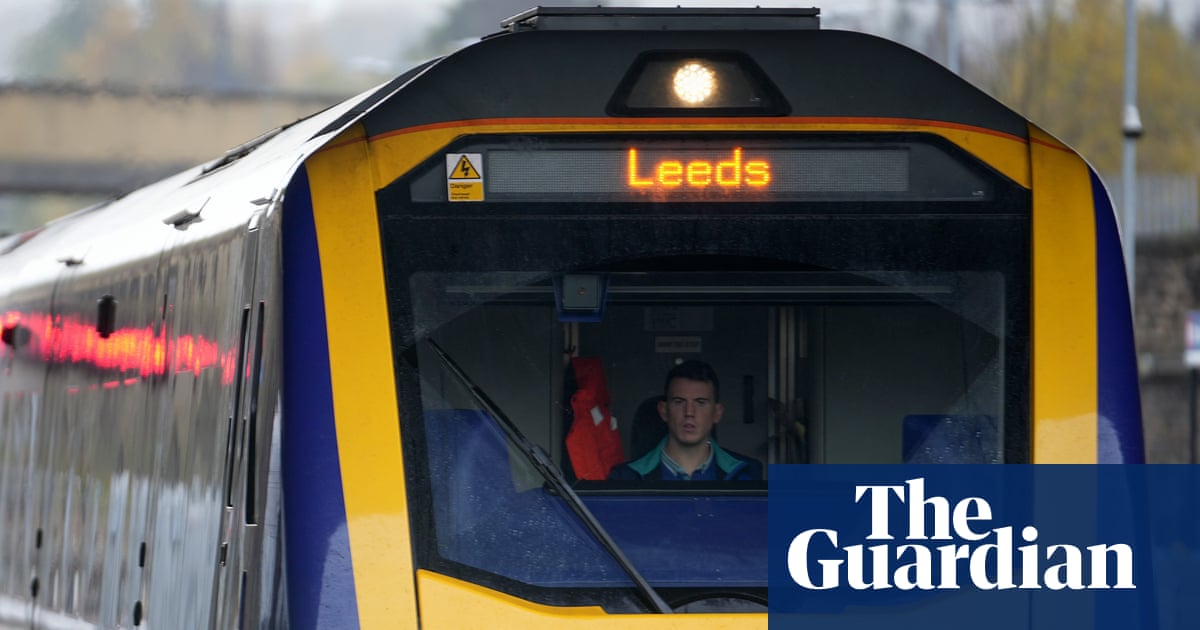
The UK government has officially approved the construction of a new railway station in Bradford, a move designed to overhaul travel patterns across northern England. The facility will be constructed on the site of the current Bradford Interchange, shifting from a terminal model to one that supports through-services between Leeds and Manchester. This structural change is intended to facilitate more frequent and faster connections, eliminating the need for passengers to check detailed timetables in favor of a reliable, high-frequency service.
Transport Secretary Heidi Alexander described the announcement as a pivotal moment for the city, emphasizing its role in transforming regional mobility. The Department for Transport indicated that this development is central to the Northern Powerhouse Rail initiative, which aims to create a seamless network across the north. By enabling direct links between major urban centers, the project seeks to reduce journey times and increase capacity, addressing long-standing criticisms of fragmented rail services in the region.
Local officials have welcomed the decision as evidence of sustained political will to deliver on infrastructure promises that have lingered for over a decade. The Northern Powerhouse Rail concept was initially proposed by the Conservative government in 2014, but concrete plans and funding failed to materialize during that period. Under the current administration led by Keir Starmer, the project has been restructured into three distinct phases, with an overall funding ceiling of £45 billion. This cap may be supplemented by local contributions, reflecting a shared financial responsibility model.
The first phase of the broader rail strategy focuses on enhancing existing lines around Yorkshire, including the new Bradford station. Subsequent stages include plans for a new line connecting Liverpool and Manchester. However, not all elements of the original vision have been retained. The Treasury rejected proposals for a new underground station at Manchester Piccadilly, which had been championed by Andy Burnham during his tenure as Greater Manchester mayor. This rejection highlights the selective nature of the current funding approvals.
Economic projections suggest that the new station, combined with other transport improvements such as the proposed tram link to Leeds, could generate more than £1 billion in economic benefits for Bradford. City council representatives argue that these infrastructure upgrades are essential for unlocking the city’s potential, supporting new housing developments and job creation. The station is positioned alongside the Southern Gateway regeneration project, aiming to revitalize the city center while improving connectivity.
Tracy Brabin, the mayor of West Yorkshire, stated that faster and more frequent train services would help unleash the region’s untapped potential. She emphasized that the transformation of the city center, coupled with improved rail links, is crucial for long-term growth. Henri Murison, chief executive of the Northern Powerhouse Partnership, echoed these sentiments, noting that the decision represents a long-term commitment to Bradford and the wider north. He suggested that confidence in the region’s economic future is already building, with this project serving as a further catalyst.
The approval comes amid broader efforts to improve transport links across the north, including anticipated work on Manchester-Birmingham connections. These improvements are seen as a partial replacement for the scrapped northern leg of the HS2 high-speed rail project, an issue that has been a priority for regional leaders like Burnham. Additionally, there are plans to bring Doncaster Sheffield Airport into public ownership, with local authorities aiming to restart freight operations next year and passenger flights by spring 2028.
Oliver Coppard, the mayor of South Yorkshire, highlighted the significance of regaining control over the airport, which had been closed in November 2022 due to commercial unviability. He noted that previous attempts to intervene were hampered by a lack of legal powers and government support. The current devolution agenda has empowered local leaders to act independently, allowing them to pursue strategies for long-term success. This shift in governance is viewed as a key enabler for regional infrastructure projects.
Construction of the new Bradford station is expected to begin in the mid-2030s, aligning with the phased rollout of the Northern Powerhouse Rail scheme. While the timeline suggests a long wait for tangible results, the approval itself is seen as a critical milestone. It signals a departure from previous delays and offers a concrete plan for improving rail connectivity. The success of this initiative will depend on sustained funding, effective coordination between local and national authorities, and the ability to deliver on promised benefits without further setbacks.
As the project moves forward, attention will turn to how well the new infrastructure integrates with existing transport networks and supports broader economic goals. The emphasis on frequent, reliable services reflects a growing demand for public transit that competes with car travel. If executed successfully, the Bradford station could serve as a model for other regional hubs, demonstrating how targeted investments can drive growth and improve quality of life in post-industrial cities.
Sources behind this briefing
Go to the original reporting
- The Guardian World↗New Bradford railway station will ‘transform travel across the north’