The short version
- Bogotá seeks to increase women's share of daily bicycle trips from 28 percent to 50 percent by the end of the decade.
- New policies address specific barriers including fear of assault, lack of riding skills, and inadequate infrastructure for caregivers.
- Achieving gender balance in cycling is viewed as essential for meeting the city’s broader carbon neutrality targets by 2050.
Bogotá, widely recognized as a leader in sustainable urban transport within Latin America, has set an ambitious target to achieve gender parity among its cyclists by 2039. The Colombian capital currently records nearly 900,000 bicycle trips daily, the highest volume in the region, yet women account for only 28 percent of these journeys. City officials argue that closing this gap is not merely a matter of social equity but a critical component of the city’s environmental strategy. Transportation remains the largest source of greenhouse gas emissions in Bogotá, and increasing participation among women is seen as necessary to support the goal of becoming carbon neutral by 2050.
The disparity in cycling rates reflects deep-seated structural and cultural challenges. A 2021 public policy initiative, the first of its kind in Colombia to incorporate a gender perspective, sought to identify why women cycle less frequently than men. Research conducted with support from the C40 Cities Finance Facility revealed that approximately 60 percent of surveyed women avoided cycling due to fears of theft or assault. Additionally, 40 percent cited concerns about being struck by vehicles, and nearly one-third reported having never learned to ride a bicycle. These findings underscore that safety and skill acquisition are primary obstacles to broader adoption.
In response, the city has expanded its network of protected bike lanes, which now spans 425 miles, making it the largest such system in Latin America. Officials emphasize that improved infrastructure is key to alleviating safety concerns. Beyond construction, the administration is focusing on repairing deteriorated paths, installing better lighting, enhancing connectivity between routes, and increasing police patrols along major cycling corridors. Claudia Díaz, Bogotá’s secretary of mobility, stated that these improvements are intended to demonstrate that cycling is a viable and secure option for women, thereby encouraging greater usage.
Education plays a central role in the city’s strategy to dismantle cultural barriers. The municipal Bike School program teaches approximately 40,000 residents to cycle annually, with about 80 percent of participants being women. Sergio Prieto, who oversees the program, noted that many older attendees are learning to ride for the first time because they were discouraged from doing so in their youth due to stereotypes that cycling was exclusively for men. The program aims to leave those historical restrictions behind by providing a supportive environment for skill development.
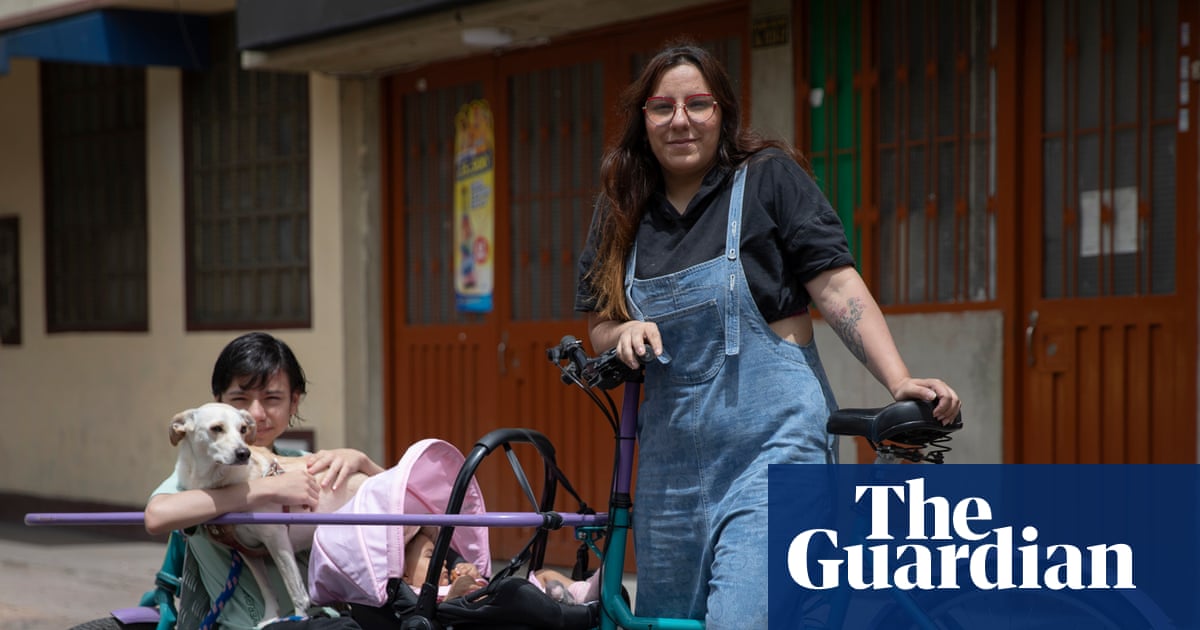
Caregiving responsibilities present another significant hurdle for female cyclists. Studies indicate that the leading reason women travel across Bogotá is for caregiving trips, such as transporting children to school. However, mothers often face social stigma and discrimination when choosing to cycle with their families. Eliana González, who founded an initiative called Mamacitas en Bici in 2018, has worked to counter these negative perceptions. Her organization helps mothers customize cargo bikes to safely carry children, organizes group rides for families, and provides cycling instruction for women and kids.
González’s efforts highlight the importance of creating safe spaces where women can navigate public infrastructure without fear of harassment or judgment. She has reported facing verbal abuse from strangers who labeled her irresponsible for riding with a baby. Rather than retreating, she built a community that promotes independence and health benefits associated with cycling. Her work illustrates how grassroots initiatives can complement top-down policy changes by addressing the social dynamics that discourage women from using bicycles.
Experts in sustainable transportation stress that gender equality is essential for cities to fully realize the benefits of green infrastructure investments. Dana Yanocha, a senior manager at the Institute for Transportation and Development Policy, noted that environmental impacts such as reduced emissions and cleaner air will not materialize if only half the population utilizes the system. In many cities across the global south, women make up less than 10 percent of daily cyclists, making Bogotá’s progress notable but still incomplete.
The push for parity represents a shift from viewing cycling primarily as a male-dominated activity to recognizing it as a universal mode of transport. By addressing both physical infrastructure and social attitudes, Bogotá aims to create a more inclusive urban environment. The success of these measures could serve as a model for other cities in the region seeking to balance environmental goals with social equity. As the city moves toward its 2039 target, the focus remains on ensuring that all residents, regardless of gender, have equal access to safe and efficient transportation options.
While the current data shows a significant gap, the combination of policy reform, infrastructure development, and community engagement offers a pathway forward. The integration of gender perspectives into urban planning marks a departure from traditional approaches that often overlooked the specific needs of women commuters. If successful, Bogotá’s strategy could demonstrate how targeted interventions can transform mobility patterns and contribute to broader climate objectives.
The road to parity involves continuous adaptation and monitoring of progress. Officials must ensure that new lanes are well-maintained and that educational programs reach diverse demographics. The involvement of civil society groups like Mamacitas en Bici suggests that community-led solutions are vital for sustaining momentum. As Bogotá works to double the number of female cyclists, the city’s experience may provide valuable insights for other urban centers grappling with similar challenges in sustainable transport.
Sources behind this briefing
Go to the original reporting
- The Guardian US↗‘They were told bikes were for men’: how Latin America’s city of cycling is breaking gender barriers

