The short version
- Birmingham City Council has applied for a high court injunction to prevent the unauthorized attachment of flags to public highways and infrastructure.
- The legal action targets the Raise the Colours campaign and its co-founder, Ryan Bridge, following reports of intimidation against staff removing displays.
- Residents have accused local authorities of inaction, while the council emphasizes a focus on public safety, community cohesion, and lawful highway management.
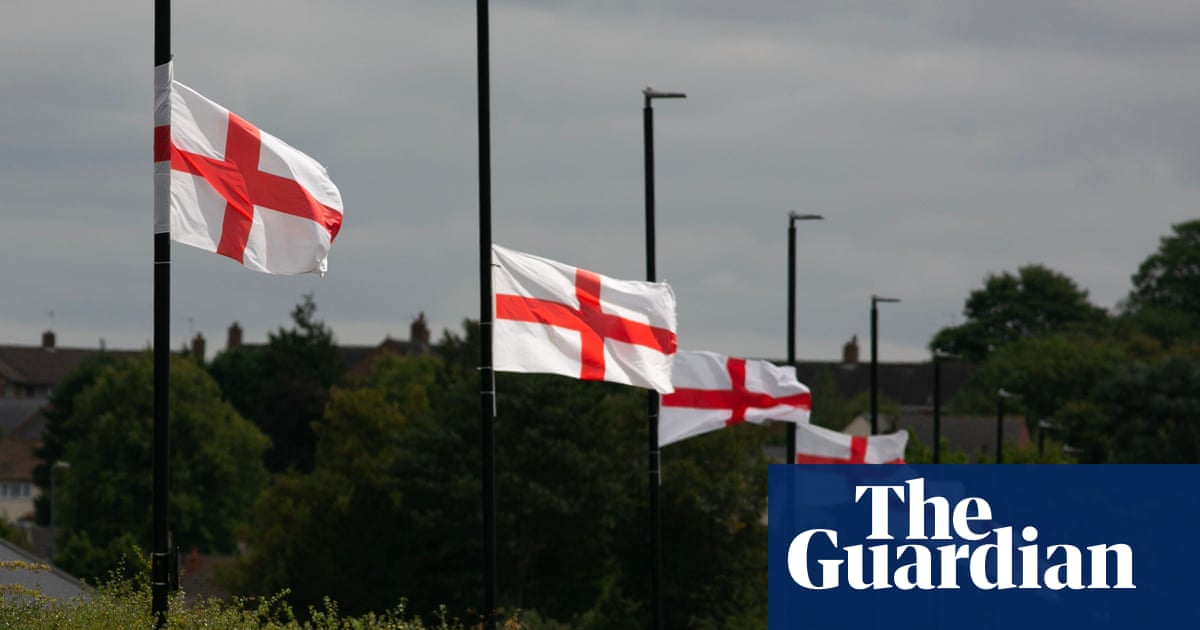
Birmingham City Council has initiated legal proceedings to secure an injunction prohibiting members of an anti-migrant group from affixing flags to public infrastructure throughout the city. The application seeks to stop the display of Union Jacks and St George’s crosses on lamp posts, roundabouts, and other municipal assets without official permission. This move marks a significant escalation in local efforts to manage what officials describe as unauthorized attachments that compromise highway safety and staff welfare.
The campaign responsible for the widespread flag displays is known as Raise the Colours, which describes itself as a grassroots movement promoting unity and patriotism. However, the proliferation of these symbols has deeply polarized public opinion. While some residents view the flags as expressions of national pride, others interpret them as nationalist gestures intended to intimidate ethnic minority communities. The dispute has created a contentious environment in Birmingham, where the campaign is believed to have originated last summer before spreading nationally.
Council officials stated that their decision to pursue injunctive relief is based on accumulated evidence of harassment and obstruction directed at employees tasked with removing the flags. Jane Baston, the cabinet member for equalities, communities, and social justice, emphasized that the approach is lawful, proportionate, and driven by data. She noted that the primary objectives are protecting public safety, ensuring the well-being of contractors, maintaining community cohesion, and using public funds responsibly. The council has asked residents to support this strategy and to ensure any future displays occur only in locations where explicit permission has been granted.
The legal application specifically names Ryan Bridge, the co-founder of Raise the Colours, along with seven other individuals and persons unknown. Bridge has previously been involved in similar disputes elsewhere in the United Kingdom. In Oxfordshire, a county council secured a permanent high court injunction after contractors faced hostility while attempting to remove flags. Justice Dias noted that both council workers and residents were subjected to abuse or intimidation during these removal efforts. Bridge was among four individuals who agreed to cease unauthorized flag hanging in Oxford following that legal ruling.
Bridge’s involvement extends beyond civil injunctions, with several criminal investigations currently underway. Thames Valley Police confirmed an ongoing investigation into an incident in April where he was arrested on suspicion of causing religiously and racially aggravated harassment, though no charges have been filed at this time. Additionally, Sussex Police charged him with common assault following a June incident in Brighton; he pleaded not guilty and was released on court bail. These legal entanglements underscore the complex nature of the conflict surrounding the flag campaign.
Local residents in Birmingham have expressed frustration with the pace of official responses to the situation. Over the past six months, community members have met multiple times with city council representatives and Simon Foster, the West Midlands police and crime commissioner. During these discussions, residents presented a compilation of evidence, including videos, images, and written statements, documenting confrontations involving Raise the Colours activists. One resident, who requested anonymity, stated that they had lobbied continuously for flag removal but felt that authorities were delaying action.
The tension has occasionally turned violent or dangerous. In May, a man was seriously injured in a hit-and-run incident after a group gathered to remove flags from public property. Two men have been arrested in connection with this event and released on bail. Furthermore, local officials were informed about a ten-year ban imposed by the French interior ministry on Bridge and others, preventing them from traveling to France. The ban was issued after far-right activists attempted to obstruct migrants crossing the Channel in small boats, although Raise the Colours states it does not support such vigilante behavior.
Raise the Colours has stated that it has not yet reviewed the court papers filed by Birmingham City Council and therefore cannot comment on the specific application. In a statement posted to Instagram, the group rejected suggestions that its activities are designed to divide communities. The organization’s website asserts that it does not endorse unauthorized activity or attempts by individuals to take the law into their own hands, clarifying that any physical actions taken abroad or elsewhere are done entirely on personal initiative without organizational approval.
The situation in Birmingham mirrors broader challenges faced by local governments across the United Kingdom regarding the management of public space and symbolic displays. Oxfordshire’s successful injunction provides a precedent for how councils might handle similar disputes, particularly when staff safety is compromised. As Birmingham awaits the high court’s decision, the outcome could set a significant standard for how other municipalities address unauthorized political or nationalistic displays on public infrastructure.
Moving forward, the council remains focused on managing unauthorised attachments through a structured process. The emphasis is on ensuring that public highways are used safely and legally, while also addressing the underlying social tensions exacerbated by the flag campaign. The resolution of this legal case will likely influence how future conflicts over public symbolism are handled, balancing freedom of expression with the need for order and safety in shared civic spaces.
Sources behind this briefing
Go to the original reporting
- The Guardian World↗Birmingham seeks injunction to stop anti-migrant group erecting flags on infrastructure

