The short version
- Approximately 46 percent of Americans now oppose the use of automated license plate readers in their communities, marking a significant increase from the previous year.
- Lawmakers from both major political parties are introducing legislation and launching investigations to restrict or defund the deployment of Flock Safety cameras.
- Over one hundred jurisdictions have canceled contracts with the company amid concerns over privacy abuses and data sharing between law enforcement agencies.
A rare convergence of political opposition is emerging in the United States regarding surveillance technology, specifically targeting the network of automated license plate readers operated by Flock Safety. Politicians across the ideological spectrum are challenging the company’s presence as public sentiment shifts against pervasive monitoring. This development stands out in a deeply polarized political environment where consensus on technology policy is uncommon, particularly given the current administration’s strong support for technological expansion.
The backlash mirrors broader national frustration with infrastructure projects tied to artificial intelligence, such as large-scale data centers. Polling indicates that roughly three-quarters of Americans oppose new data center construction in their local areas. Similarly, opposition to license plate readers has risen sharply, with recent data showing that 46 percent of residents now object to these devices in their communities. This figure represents a thirteen-point increase from the previous year, signaling a rapid change in public attitude toward digital surveillance.
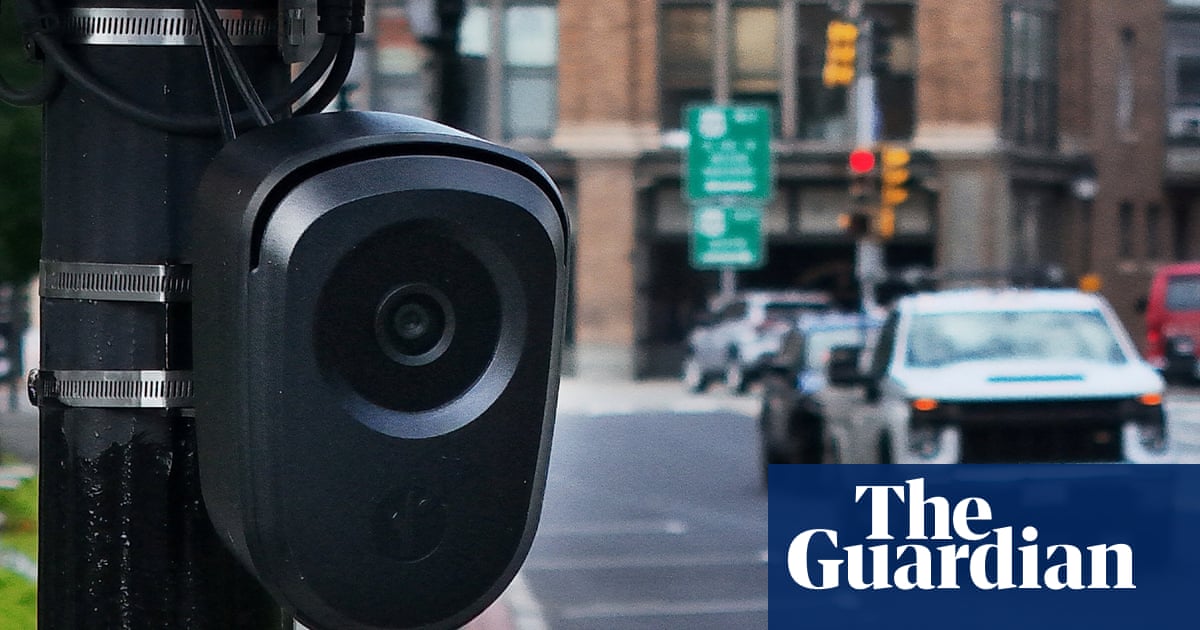
Flock Safety operates approximately 120,000 cameras nationwide, conducting roughly two billion scans each month. These automated systems capture images of vehicle license plates to log car movements for police and security firms. The company’s software facilitates data sharing among disparate law enforcement agencies, allowing information gathered in one state to be accessed quickly by authorities in another. Founded in 2017, Flock has significantly expanded the prevalence of this technology compared to earlier iterations of license plate reading systems.
Controversy has intensified following reports of privacy violations involving the camera network. Allegations include police officers using the system to stalk former partners and track individuals seeking abortion services. Additionally, U.S. Immigration and Customs Enforcement frequently utilizes the data collected by these cameras. These incidents have fueled public anger, leading to social media campaigns and physical confrontations with the hardware. Videos of individuals destroying the cameras have circulated online, drawing support from those opposed to the surveillance infrastructure.
Legislative responses are emerging from both sides of the aisle. Texas Governor Greg Abbott has prohibited state agencies from purchasing Flock products, while Senator Bernie Sanders plans to introduce legislation restricting their use. Republican Senator Josh Hawley has initiated an investigation into potential privacy abuses associated with the company. In Congress, Democratic Representative Ro Khanna and Republican Representative Thomas Massie are co-sponsoring a bill aimed at preventing federal funds from being used to buy Flock cameras.
Local governments are also taking action, with more than 100 jurisdictions canceling their contracts with the company according to the Institute for Justice. Some municipalities are replacing Flock devices with cameras from other manufacturers, continuing surveillance under different branding. Community activism has played a significant role in this shift, with residents attending town hall meetings and organizing protests over the past six months. An organization called DeFlock, established in 2024, is mapping camera locations to help coordinate opposition efforts.
Experts note that privacy concerns often transcend traditional political divisions. Jay Stanley of the American Civil Liberties Union described the current movement as an unprecedented grassroots uprising against surveillance technology. He attributed the bipartisan nature of the backlash to distinct historical grievances: liberals recall law enforcement interference with social movements, while conservatives emphasize individual liberty and resistance to government overreach. Matthew Guariglia of the Electronic Frontier Foundation highlighted the long-term implications of installing such infrastructure, noting that trust in current officials does not guarantee trust in future administrations.
Woodrow Hartzog, a professor at Boston University, suggested that the situation reflects a broader distrust of tech companies collaborating closely with government entities. He predicted that pressure on Flock Safety will persist at state and local levels as public outrage continues to grow. The company has not responded to requests for comment regarding these developments. As political leaders respond to constituent concerns, the future of widespread license plate reading networks remains uncertain.
The debate underscores a growing tension between security objectives and privacy rights in the digital age. While automated license plate readers are not new, their scale and integration into shared databases have raised fresh questions about oversight and accountability. The current wave of opposition suggests that public tolerance for unchecked surveillance may be reaching a limit, forcing policymakers to reconsider how such technologies are deployed and regulated.
Sources behind this briefing
Go to the original reporting
- The Guardian US↗Cut the cameras: Flock surveillance cameras spur rare bipartisan backlash

