The short version
- Delegates from over sixty nations gather in Bhutan to discuss integrating mindfulness and spiritual values into food production strategies.
- Organizers contend that current economic and technological fixes are insufficient against the dual threats of climate extremes and geopolitical conflict.
- The summit aims to promote regenerative agriculture and Indigenous knowledge while addressing the root causes of systemic fragility.
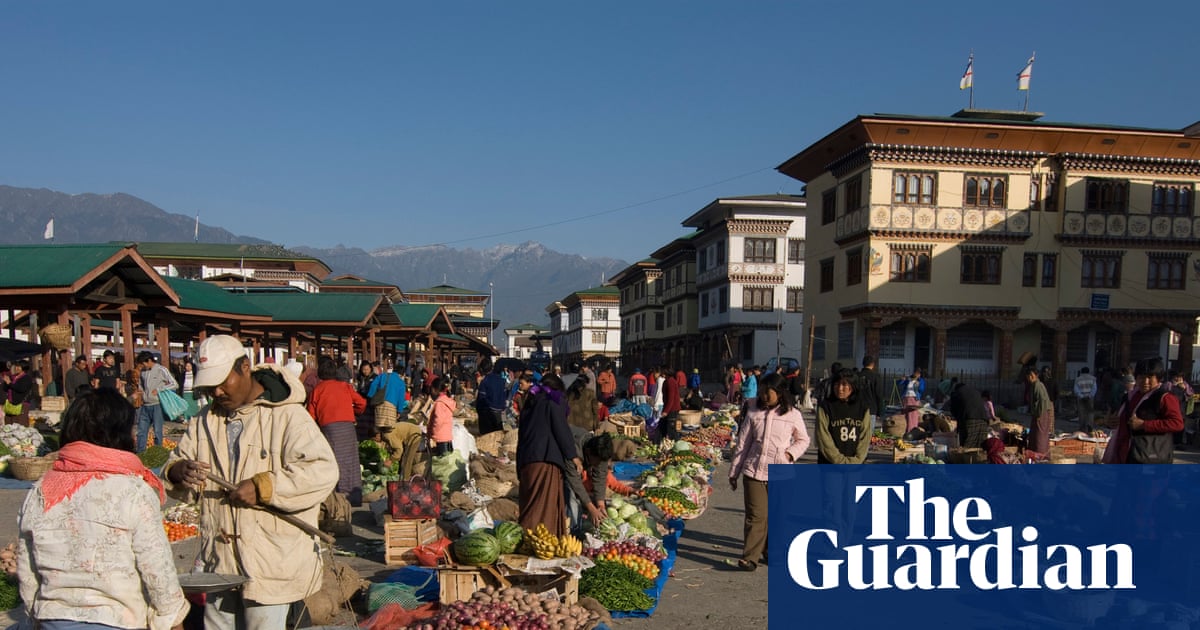
A pioneering international gathering has commenced in Paro, Bhutan, bringing together government officials, farmers, and wellness experts to address what organizers describe as a fundamental disconnect between human values and food systems. The event, billed as the world’s first conscious food summit, operates on the premise that resolving the crises of hunger, malnutrition, and environmental degradation requires more than technical or economic adjustments. Instead, participants are urged to revive a spiritual relationship with sustenance, arguing that inner transformation is a prerequisite for effective outer policy change.
Bhutan’s Prime Minister Tshering Tobgay framed the initiative around the intersection of multiple global challenges, including poverty, biodiversity loss, and geopolitical instability. He emphasized that food security is increasingly disrupted by conflict and climate-driven weather extremes. The central thesis presented at the summit is that transforming how society produces and consumes food demands a dual approach: altering external structures like markets and public policy while simultaneously shifting internal mindsets regarding compassion, resilience, and connection to nature.
The urgency of these discussions is underscored by recent environmental disasters in the region. A glacial collapse in neighboring Nepal recently triggered floods and landslides that resulted in significant loss of life, highlighting the immediate physical risks posed by climate instability. Furthermore, the World Food Programme has issued warnings that a super El Niño phenomenon could push fifty million people toward starvation over the coming year. These projections follow a northern hemisphere summer marked by severe droughts, intense heatwaves, and wildfires that devastated harvests, leading to anticipated shortages and price hikes for staple crops worldwide.
Jerry Spooner, representing Regenerative Vanua, a Pacific-based non-governmental organization, noted that existing food systems lack the resilience necessary to withstand compounding pressures. He argued that the focus must shift from merely increasing production volumes to building ecosystems that regenerate soil, strengthen community ties, and honor cultural traditions. This perspective suggests that current industrial models are reaching their limits in the face of biodiversity loss and global instability, necessitating a reimagining of agricultural priorities.
The summit distinguishes itself by incorporating mindfulness practitioners and yoga therapists alongside traditional policymakers and agricultural experts. Organizers assert that consciousness can foster empathy and creativity, which in turn influence how science, finance, and technology are deployed. This does not imply a rejection of scientific rigor but rather an acknowledgment that values dictate the application of tools. The goal is to ensure that technological and financial mechanisms serve broader ethical objectives rather than driving exploitation or waste.
Tobgay criticized the tendency for policies affecting rural populations to be developed without their meaningful input, leaving farmers vulnerable to volatile global markets. He advocated for a conscious approach to production that prioritizes land health, water protection, and pollution reduction while recognizing the dignity of food producers. This model contrasts with treating food as a mere commodity subject to careless market forces, which often leads to excessive waste and unhealthy consumption patterns.
Practical applications of these concepts include reviving cultural traditions such as reflecting on the provenance and preparation of meals before eating. Tobgay described his own daily routine of eating breakfast by a stream while listening to nature, illustrating how small personal habits can reflect larger systemic values. The summit aims to demonstrate that such practices require minimal time investment but could catalyze broader revolutions in how societies treat both the planet and one another.
As the five-day event concludes, the challenge remains translating these philosophical shifts into actionable policy frameworks. While the immediate threats of climate change and conflict are tangible, the proposed solutions rely heavily on changing human behavior and institutional incentives. The success of this initiative will likely depend on whether governments and businesses can integrate these value-driven approaches into concrete strategies for food security and environmental stewardship.
Sources behind this briefing
Go to the original reporting
- The Guardian US↗Bhutan hosts first ‘conscious food summit’ amid threats to global supplies

