The short version
- The memoir, dictated in 1975 but never published during Evans's lifetime, will be released this December by Beatles scholar Kenneth Womack.
- Evans provides a detailed narrative of the August 1965 meeting between the Beatles and Elvis Presley, resolving long-standing debates among historians about the event.
- The text also covers dangerous incidents during the band’s tour of the Philippines, including threats from armed staff members at the airport.
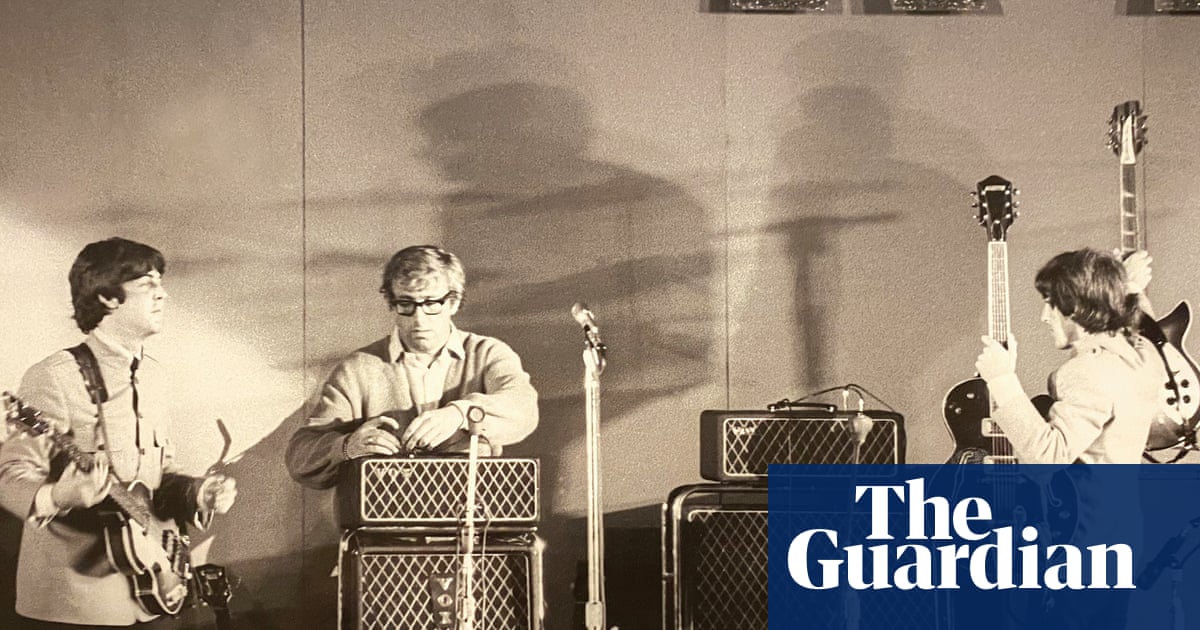
A significant new window into the inner workings of the Beatles is set to open with the publication of a memoir by Mal Evans, the group’s longtime road manager and unofficial archivist. The manuscript, which Evans dictated in 1975 but never saw published before his death in 1976, has been preserved by his family and prepared for release by Kenneth Womack, a leading expert on the band. Scheduled for publication in December under the title With the Beatles, the work spans approximately 95,000 words and draws from thousands of photographs, discarded lyric sheets, and other ephemera Evans collected during his years with the group.
Evans’s role extended far beyond that of a typical roadie. He began working with the band in their early days at Liverpool’s Cavern Club, where he served as a bouncer before joining their touring crew. Over time, he became a meticulous documentarian, recording diaries and notebooks while capturing visual evidence of the group’s evolution. Womack has described Evans as the Beatles’ first archivist, noting that the upcoming book serves as a treasure trove of previously unseen material. The memoir covers a critical period in the band’s history, tracing their journey from the Help! album through the Magical Mystery Tour EP and into the Get Back single sessions and their final years in the studio.
One of the most anticipated sections of the memoir concerns the historic meeting between the Beatles and Elvis Presley in August 1965. This encounter, often cited as a pivotal moment in rock history, has been the subject of considerable debate among writers and historians due to conflicting accounts. Evans, who held a deep admiration for Presley that arguably surpassed his affection for the Beatles themselves, provides what Womack calls a complete record of the event. Evans described the day at Presley’s Bel Air home as the most significant of his entire tenure with the band, marking it as the moment when rock’s two greatest heavyweights crossed paths.
According to Evans’s recollections, Presley played Beatles records for the group before providing them with guitars. The road manager recounted watching in awe as the musicians began to improvise, filling the residence with energetic beat music. This firsthand perspective offers a level of detail that previous accounts lacked, settling questions about the atmosphere and interactions during the visit. Evans emphasized the emotional weight of the occasion, noting that it would remain the highlight of his years spent managing the band’s logistics and personal needs.
Beyond the glamour of celebrity encounters, the memoir does not shy away from the dangers and tensions that accompanied the band’s global fame. Evans details the perilous tour of the Philippines, where the group faced severe backlash after declining an invitation to attend an official event hosted by First Lady Imelda Marcos. The incident led to a tense atmosphere during their departure, with promoter staff members openly carrying automatic pistols. Evans described a frightening morning at the airport, where armed men confronted him and demanded autographed photographs, creating a sense of immediate threat.
The situation escalated as the band attempted to navigate through immigration. Evans recalled being jostled and harassed by a group of men who appeared intent on causing trouble in retaliation for the previous evening’s snub. He noted the difficulty of remaining passive while witnessing the rough treatment of his colleagues, describing the experience as heartbreaking. These passages illustrate the volatile environment that surrounded the Beatles during their later tours, highlighting the risks faced by those working closely with the group.
Evans’s life ended tragically in 1976 when he was shot by Los Angeles police officers. At age 40, he was reportedly distraught over the breakdown of his marriage and had been pointing an air rifle at officers in what is believed to have been a case of suicide by cop. Despite this abrupt end, his dedication to preserving the band’s history remained evident in the extensive materials he left behind. Womack spent considerable time piecing together the memoir from six massive boxes of stored items, ensuring that Evans’s voice and perspective would reach readers half a century later.
The forthcoming book will include approximately 400 photographs, some of which have never been publicly displayed. These images, combined with Evans’s written accounts, offer a comprehensive look at the band’s trajectory during a transformative era. Womack has indicated that the memoir pulls no punches in its portrayal of the Beatles, providing an electrifying reminder of the intensity of Beatlemania. For fans and scholars alike, the release promises to deepen understanding of the personal dynamics and historical context that defined one of music’s most influential groups.
As the publication date approaches, anticipation grows for the insights Evans offers into both the triumphs and tribulations of his time with the Beatles. The memoir stands as a testament to his loyalty and meticulous nature, capturing moments that might otherwise have been lost to time. By bridging the gap between the band’s early struggles and their eventual dissolution, Evans’s work provides a continuous narrative thread that connects key events in their career. This release marks a significant addition to the existing literature on the Beatles, offering fresh perspectives from someone who was present at nearly every major milestone.
The decision to publish the memoir now, fifty years after its creation, underscores the enduring interest in the Beatles’ legacy. Evans’s unique position as both an insider and an observer allowed him to document aspects of the band’s life that were not visible to the public or even to other members of their entourage. His admiration for Elvis Presley adds another layer to his narrative, revealing how personal passions influenced his professional experiences. As readers prepare to engage with this long-awaited text, the memoir promises to shed new light on the complex world of the Beatles during their most iconic years.
Sources behind this briefing
Go to the original reporting
- The Guardian World↗Meeting Elvis was ‘my biggest day with the Beatles’, says road manager’s book


