The short version
- Two individuals warned BBC leadership that true crime author Christopher Berry-Dee claimed to have obtained clothing belonging to Karen Hadaway, a victim of the Babes in the Woods murders.
- The broadcaster lost the garments while they were in its custody and later settled with the victim's mother, yet it closed its internal investigation into Berry-Dee’s claims without taking further steps.
- Berry-Dee has denied allegations of sexual and violent offenses but admitted to obtaining the clothes, stating he subsequently burned them, though the timeline remains disputed.
The British Broadcasting Corporation was alerted by two separate whistleblowers that a prominent true crime author claimed to be in possession of clothing belonging to Karen Hadaway, a child murder victim whose garments were lost while under the broadcaster’s care. Despite these warnings reaching senior leadership and the corporation’s dedicated whistleblowing unit, the BBC closed its internal review without pursuing further action. This failure to investigate has surfaced alongside new allegations against Christopher Berry-Dee, who faces accusations of sexual and violent misconduct from multiple women, charges he denies.
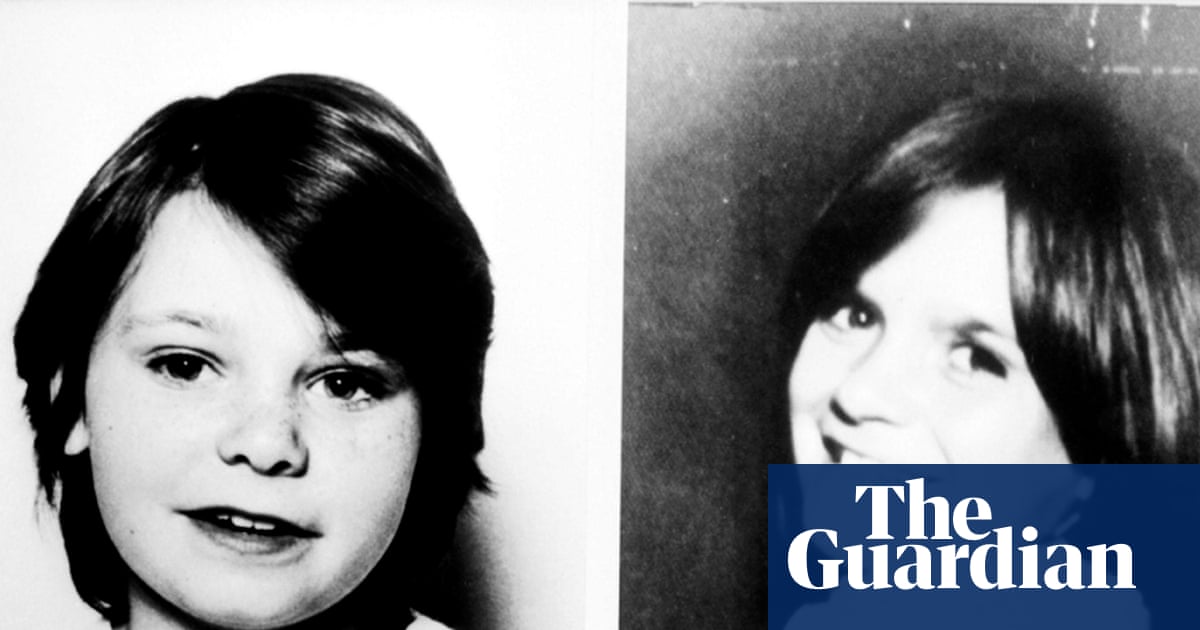
The controversy centers on items worn by Hadaway when she was killed in 1986 alongside her friend Nicola Fellows in Brighton’s Wild Park. The garments were originally recovered by police but were later handed over to journalist Martin Bashir in 1991 for a potential documentary project. Bashir, who was working with freelance journalist Eileen Fairweather at the time, took custody of the clothes, which were stored in an evidence bag inside a bin liner. Fairweather recalled seeing bloodstains on the items when Hadaway’s mother surrendered them.
The whereabouts of these items became a source of long-standing controversy after the BBC realized in 2004 that it could not locate them following a request from a police detective. The corporation eventually apologized for the loss and reached a financial settlement with Michelle Hadaway, Karen’s mother. However, questions about what happened to the evidence persisted, particularly regarding the period before the items were formally logged by the broadcaster.
Berry-Dee had previously campaigned for the return of the clothes to the family in the late 1980s. He later described persuading the parents to give him the garments so he could arrange advanced DNA testing, a narrative he included in his book A Question of Evidence. According to Fairweather’s reinvestigation, which began after revelations about Bashir’s past journalistic misconduct, Berry-Dee boasted about possessing the clothes during the 1990s and 2000s. Sources indicated he claimed to have had them before they were given to Bashir and potentially again afterward.
In 2022, Fairweather contacted the BBC’s whistleblowing unit to report her belief that Berry-Dee was the last known person in possession of the garments. She highlighted his history of arrests for alleged child sexual abuse, though he was never convicted. The corporation acknowledged receipt of the information and stated that senior leadership was reviewing the allegations. Three years later, the BBC informed Fairweather that the case was being closed with no further action taken.
A second warning was issued by Ian Heffron, the uncle of victim Nicola Fellows. He emailed the office of then-BBC director general Tim Davie after Davie had apologized to a parliamentary committee regarding the loss of the clothes. Heffron asked whether the broadcaster had any association with Berry-Dee, noting that he understood the author had stated he possessed Karen’s clothing. Davie’s office confirmed receipt of the email but provided no further updates or outcomes from any subsequent inquiries.
Berry-Dee told The Guardian that it was entirely correct he had obtained the clothes and claimed to have burned them. However, he did not clarify the timeline or explain how he could have possessed them after Michelle Hadaway had already handed them over to the BBC. A lawyer for Martin Bashir stated that his client had no recollection of Berry-Dee in relation to the items and asserted that the author left the clothing at the BBC’s Public Eye offices, marking the end of his involvement.
The BBC declined to comment on whether it took any specific steps in response to the emails from Fairweather and Heffron. A spokesperson reiterated that the corporation apologized in 2023 for failing in its duty of care to Michelle Hadaway and reached a settlement regarding the loss. The broadcaster maintained that the matter had been investigated as thoroughly as possible, despite the unresolved questions surrounding the author’s claims and the lack of transparency regarding the internal review process.
The incident underscores broader concerns about accountability within media institutions when handling sensitive evidence related to high-profile crimes. The loss of the garments has haunted the BBC for decades, and the failure to act on whistleblower tips suggests a disconnect between public apologies and internal investigative rigor. As new allegations against Berry-Dee emerge, the unresolved mystery of the missing clothes remains a focal point for critics questioning the corporation’s handling of historical controversies.
Fairweather’s efforts to trace the items highlight the difficulties families face when evidence goes missing from institutional custody. Her discovery that Berry-Dee had boasted about the garments adds a layer of complexity to the case, raising questions about whether the BBC adequately assessed the credibility of the warnings it received. The lack of follow-up on these tips has left victims’ families and the public with lingering doubts about the integrity of the broadcaster’s internal processes.
Sources behind this briefing
Go to the original reporting
- The Guardian World↗BBC was warned of author’s claim to possess missing clothes of child murder victim