The short version
- All fifty districts of Bangkok are now under a flood disaster declaration following extreme rainfall that submerged roads and homes.
- Residents near canals have been advised to move belongings to higher floors as water levels rise, with some reporting conditions worse than the 2011 floods.
- Meteorologists predict continued heavy rain through the week, complicating efforts to pump out water from saturated urban infrastructure.
Authorities in Bangkok have officially declared a flood disaster across the entire city after nearly forty-eight hours of relentless heavy rain left streets submerged and homes inundated. The Thai capital recorded approximately three hundred millimeters of rainfall in some areas over this two-day period, overwhelming the urban drainage network. This extreme weather event has triggered an emergency response that covers all fifty districts of the metropolis, marking a significant escalation in local government efforts to manage the crisis.
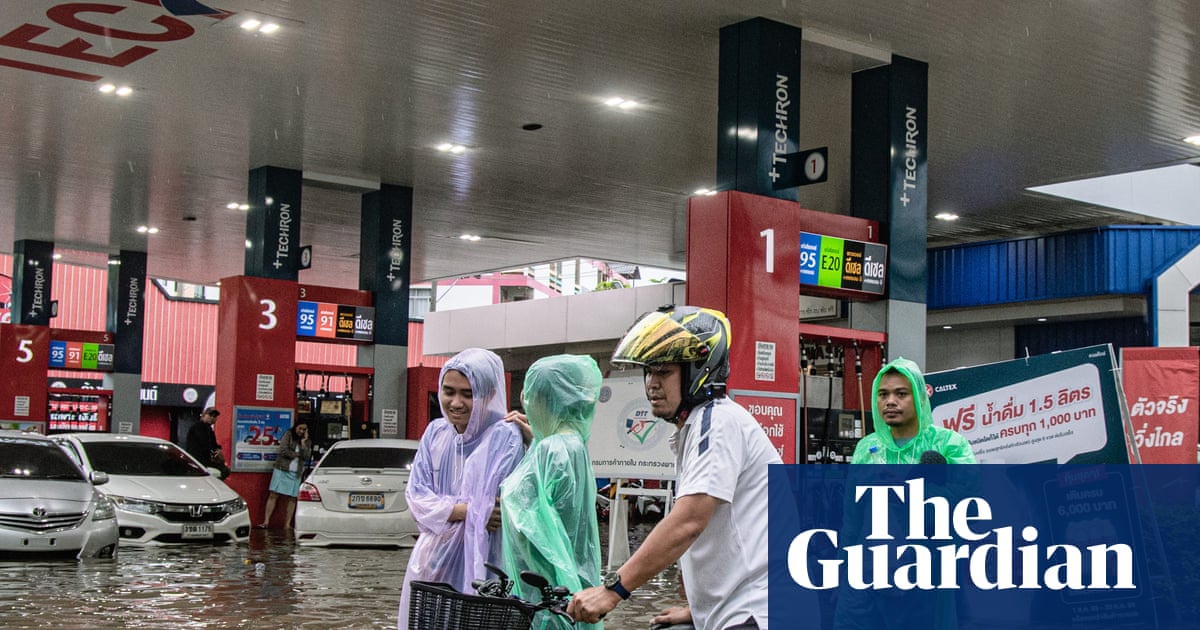
The sheer volume of water has caused the city’s extensive network of canals to swell and burst their banks, sending murky floodwaters into surrounding neighborhoods. Residents in low-lying areas are wading through waist-deep water, with many shops and restaurants forced to close as access becomes impossible. Vehicles have been left submerged on major thoroughfares, exacerbating traffic chaos in a city already known for severe congestion. The visual impact is stark, with waterlogged roads and flooded commercial spaces dominating the urban landscape.
City officials are urging residents to remain indoors and have issued specific warnings for those living close to the canal systems. People in these high-risk zones have been advised to move their personal belongings to upper floors of their homes to protect them from rising waters. Chadchart Sittipunt, the governor of Bangkok, acknowledged the severity of the situation, noting that the eastern part of the city has been hit hardest. He stated that while emergency crews are working tirelessly to pump water out, the canals remain full, limiting the effectiveness of these efforts.
The current flooding has drawn comparisons to the devastating nationwide floods of 2011, which lasted for three months and resulted in hundreds of deaths across Thailand. Some residents, including a sixty-seven-year-old shop owner living north of central Bangkok, have reported that water levels appear worse than during that historic disaster. Despite the alarming parallels and the depth of the flooding, there have been no reported casualties in Bangkok from this latest event so far. This absence of fatalities is a critical distinction, though officials remain vigilant as conditions evolve.
Meteorological forecasts indicate that the heavy rain is expected to continue into Sunday and potentially through the week. The area of low pressure responsible for the recent downpours is projected to move toward central Thailand, but the immediate threat to Bangkok remains high. There are growing fears that more canals could breach their banks if the rainfall persists, further complicating recovery efforts. The Thai Meteorological Service has maintained its outlook on continued precipitation, leaving little room for optimism regarding a quick resolution.
The infrastructure strain is evident as the drainage system struggles to cope with the unprecedented volume of water. Unlike typical thunderstorms common in Thailand during this season, the intensity and duration of this rainfall have pushed the city’s capacity beyond its limits. The combination of saturated ground, full canals, and ongoing precipitation creates a perfect storm for prolonged flooding. Emergency services are stretched thin as they attempt to manage both the immediate safety of residents and the logistical challenges of water removal.
As the situation develops, the focus remains on preventing further damage and ensuring public safety. The declaration of emergency zones allows for the mobilization of additional resources and coordination among various agencies. However, the effectiveness of these measures is contingent on the weather patterns shifting in favor of the city. Until then, Bangkok residents must brace for continued disruption, with daily life significantly altered by the presence of floodwaters in streets and homes.
The long-term implications of this event are still unclear, but the immediate priority is managing the crisis at hand. The comparison to 2011 serves as a sobering reminder of the potential severity of such events, even if current casualty figures remain low. As rain continues to fall, the resilience of Bangkok’s infrastructure and its residents will be tested. The coming days will be critical in determining whether the situation stabilizes or deteriorates further, with all eyes on the canals and the skies above the Thai capital.
Sources behind this briefing
Go to the original reporting
- The Guardian US↗Bangkok’s flood disaster – in pictures
- BBC Science & Environment↗Bangkok roads submerged as flood disaster declared

