The short version
- Authorities declared a state of disaster in Bangkok after more than 300 millimeters of rain fell over two days, affecting approximately 52,000 households.
- Nearly 4,900 people have been evacuated to temporary shelters, including schools, while hundreds of educational institutions remain closed for the week.
- Residents report water levels exceeding those of the devastating 2011 floods, though essential utilities like electricity and tap water remain largely operational.
A state of disaster has been declared in Bangkok following days of intense rainfall that submerged homes, businesses, and major roadways across the Thai capital. The Bangkok Metropolitan Administration reported that approximately 52,000 households have been impacted by the flooding, which began intensifying late last week. By Sunday morning, nearly 4,900 residents had been moved to emergency shelters as water levels continued to rise in various districts.
Meteorological data indicates that some areas of the city received more than 330 millimeters of precipitation between Thursday and Sunday. While September marks the peak of the rainy season in Thailand, local officials and residents noted that the severity of this year’s deluge was unusual. The sheer volume of water overwhelmed drainage systems, leaving many neighborhoods isolated and forcing authorities to prioritize evacuation efforts over immediate cleanup.
For those displaced, conditions in temporary shelters are cramped but stable. Governor Chadchart Sittipunt visited a school in the Kheha Romklao area on Saturday night, where roughly 1,000 people had sought refuge. Inside, classrooms were converted into sleeping quarters with desks pushed aside to make room for blankets and cots. Some residents brought their pets along, resting them in hallways alongside makeshift beds. The governor used social media to urge citizens to avoid unnecessary travel, citing ongoing hazards on flooded streets.
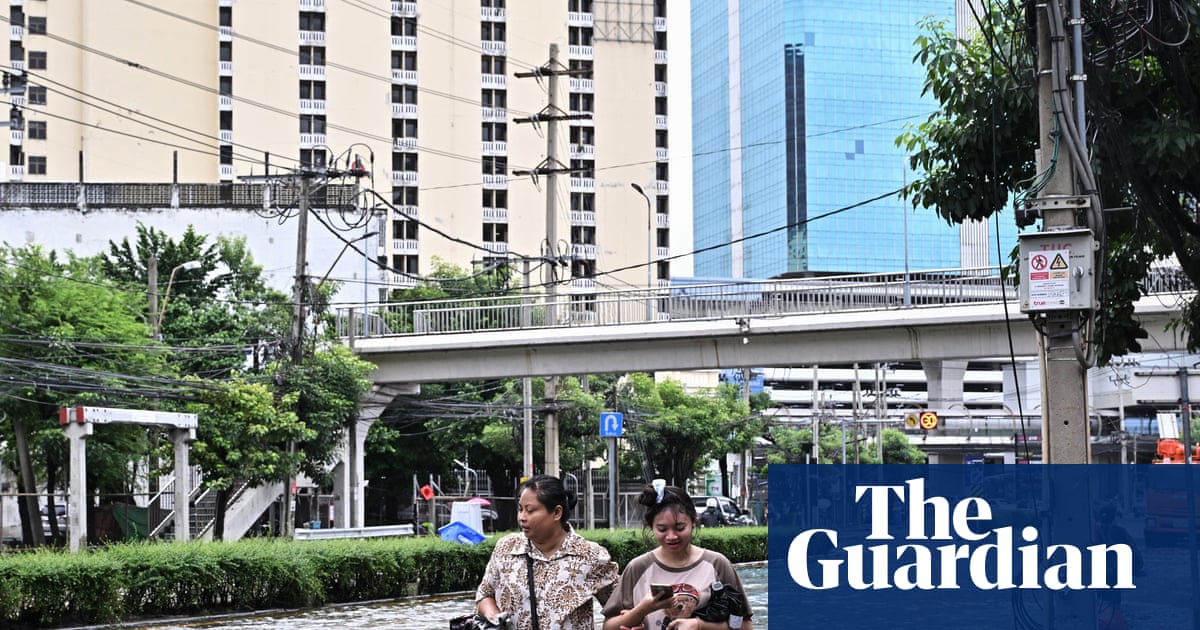
Residents who remained in their homes faced significant challenges as water breached retaining walls and filled ground floors. Kosin Nilset, an office worker living near the Premprachakorn canal, described his house being underwater for approximately 30 hours. He noted that the water levels appeared higher than those recorded during the catastrophic floods of 2011, which killed more than 500 people and caused widespread damage across the country. Despite the severity, Nilset reported that basic utilities such as electricity and tap water remained functional, allowing him to begin sweeping out standing water.
Others chose to stay behind despite the risks, attempting to salvage personal belongings rather than evacuate. Thidarat Silsuwan, a 56-year-old resident also living along the Premprachakorn canal, reported sleeping on her dining table for two days while her home remained partially submerged. She attempted to lift heavy appliances like refrigerators and washing machines but ultimately abandoned the effort, assuming they were damaged beyond repair. Her decision reflects a common dilemma among flood victims: whether to prioritize immediate safety or protect long-term assets.
The economic impact of the flooding is already visible in local commerce. Convenience stores reported empty shelves over the weekend as residents rushed to purchase essential supplies. In response, the prime minister’s office issued warnings against panic buying and reminded the public that price gouging constitutes a criminal offense. Authorities are working to stabilize supply chains and ensure that goods remain available at fair prices as the crisis unfolds.
Cleanup operations are underway, with city workers focusing on accelerating drainage in key areas. Water levels in Bangkok’s extensive network of canals remained high on Sunday morning, complicating efforts to restore normalcy. Forecasters predict additional rain throughout Sunday for Bangkok and surrounding provinces, though precipitation is expected to taper off by Monday. This brief respite may allow emergency crews to assess damage more effectively and assist those still trapped in flooded zones.
The broader context of these events highlights growing concerns about climate change. Scientists have warned that extreme weather events are becoming more frequent and intense due to rising global temperatures driven by fossil fuel emissions. While Thailand has historically managed seasonal rains, the increasing unpredictability of weather patterns poses new challenges for urban infrastructure and disaster preparedness. Officials are likely to review drainage systems and emergency protocols in light of this year’s experience.
Hundreds of schools across the city will remain closed on Monday to facilitate cleanup and ensure student safety. The Bangkok Metropolitan Administration has not yet specified when normal operations will resume, depending on how quickly water recedes from educational facilities. Meanwhile, residents are beginning the arduous task of drying out their homes and disposing of damaged goods. Community support networks are emerging as neighbors help each other navigate the aftermath of the storm.
As the immediate threat of rising waters subsides, attention will shift to long-term recovery efforts. Insurance claims, property repairs, and mental health support for affected families will become critical components of the response. The disaster declaration enables access to additional resources and funding, which may aid in rebuilding damaged infrastructure. However, the full extent of the economic and social toll will only become clear in the coming weeks as more data is collected from impacted communities.
Sources behind this briefing
Go to the original reporting
- The Guardian US↗‘Our house was under water’: Bangkok floods force thousands into shelters as disaster declared

