The short version
- Kemi Badenoch is restructuring her shadow cabinet to replace departing ministers Priti Patel and James Cleverly, who are leaving for external political ambitions.
- Tom Tugendhat is expected to assume the role of shadow foreign secretary, marking a significant appointment for a former leadership contender previously outside the frontbench team.
- The reshuffle also involves the dismissal of shadow health secretary Stuart Andrew and adjustments for other members due to maternity leave or requests to step down.
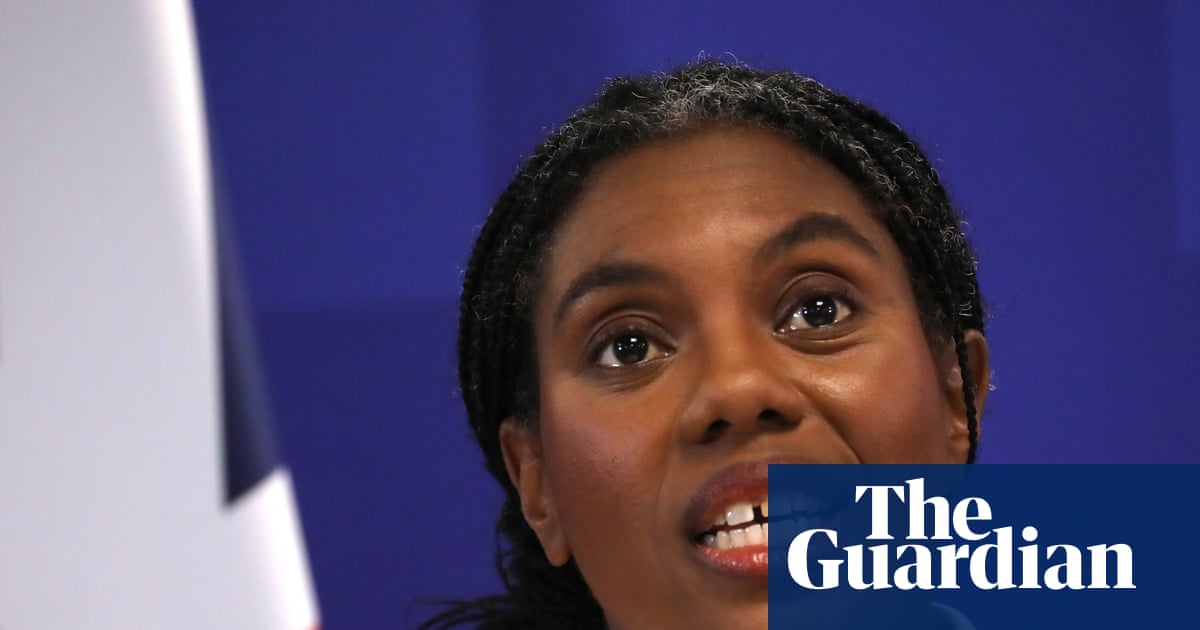
Kemi Badenoch is set to implement a significant restructuring of her shadow cabinet on Monday, responding to high-profile departures that have created vacancies in key opposition portfolios. The changes reflect both the immediate need to fill roles left by resigning ministers and a broader strategic realignment within the Conservative Party leadership team. At the center of this shift is the replacement of Priti Patel as shadow foreign secretary and James Cleverly as shadow communities secretary, two figures whose exits have prompted Badenoch to reevaluate her frontbench composition.
Priti Patel announced her departure from the shadow foreign secretary role on Sunday evening, stating she would transition to an international position focused on strengthening ties with right-wing parties globally. She emphasized the importance of conservative unity amid global uncertainty and pledged to remain a vocal advocate for her Essex constituency in the House of Commons. Her statement highlighted concerns over Labour government policies regarding transport schemes, school construction, countryside preservation, and policing budgets, framing her continued involvement as essential for defending local interests.
James Cleverly has resigned from his post as shadow communities secretary to launch a campaign for London mayor. He clarified that his decision was not driven by disagreement with Badenoch’s rightward shift in party direction but rather by a desire to present a traditional Conservative platform centered on enterprise and opportunity. Cleverly, who previously lost the leadership contest to Badenoch, is often viewed as a moderate voice within a party increasingly influenced by right-wing sentiments and competition from Reform UK. He asserted that his mayoral ambitions align with and support Badenoch’s national strategy.
Tom Tugendhat is expected to succeed Patel as shadow foreign secretary, a move that brings a prominent former security minister and leadership candidate into the fold after he had previously declined to join the shadow cabinet. Tugendhat has been vocal on issues related to China and Iran since returning to the backbenches, positioning him as a hawkish figure on foreign affairs despite his association with the more centrist One Nation grouping within the party. His appointment signals Badenoch’s intent to integrate key figures who had remained outside her immediate circle while maintaining a strong stance on international security matters.
In addition to these high-profile changes, Badenoch has dismissed Stuart Andrew from his role as shadow health secretary. Andrew confirmed via social media that he would return to the backbenches, marking another significant alteration in the opposition’s leadership structure. The reshuffle also addresses logistical and personal transitions within the team, including finding a replacement for Claire Coutinho, the shadow energy secretary, who is preparing to take maternity leave following the birth of her second child.
Coutinho had been widely regarded as Badenoch’s preferred successor to Mel Stride, the shadow chancellor, whose performance has drawn private criticism from some Conservative MPs who feel he has failed to make a sufficient impact. The departure of Coutinho complicates these succession plans, requiring Badenoch to identify new talent capable of challenging Labour’s economic policies effectively. Additionally, Julia Lopez, who previously shadowed the now-abolished science, innovation, and technology department, is expected to receive a new role within the restructured cabinet.
Helen Grant, serving as shadow solicitor general, has also requested to leave the shadow frontbench, further necessitating adjustments in the legal and constitutional oversight areas of the opposition team. These cumulative changes underscore the dynamic nature of Badenoch’s leadership approach, which involves both consolidating loyalty and addressing practical vacancies arising from personal and political transitions. The reshuffle aims to present a cohesive and robust opposition capable of challenging the current government across multiple policy domains.
As Badenoch finalizes these appointments, the Conservative Party faces the dual challenge of rebuilding its internal cohesion while presenting a unified front against Labour’s legislative agenda. The integration of figures like Tugendhat, who bridges centrist and hawkish factions, suggests an effort to balance ideological diversity with strategic effectiveness. Observers will be watching closely to see how these new appointments influence the party’s direction and its ability to regain political momentum in the coming months.
Sources behind this briefing
Go to the original reporting
- The Guardian World↗Badenoch to reshuffle shadow cabinet after Patel and Cleverly resignations

