The short version
- Geonroung Park releases his first original single, Wave, marking his official entry into the K-pop industry after a decade of global recognition.
- The track incorporates the familiar Baby Shark melody before transitioning to electropop, symbolizing Park’s personal growth from child actor to adult artist.
- Park aims to establish an independent artistic identity while maintaining a positive connection to the franchise that defined his early public life.
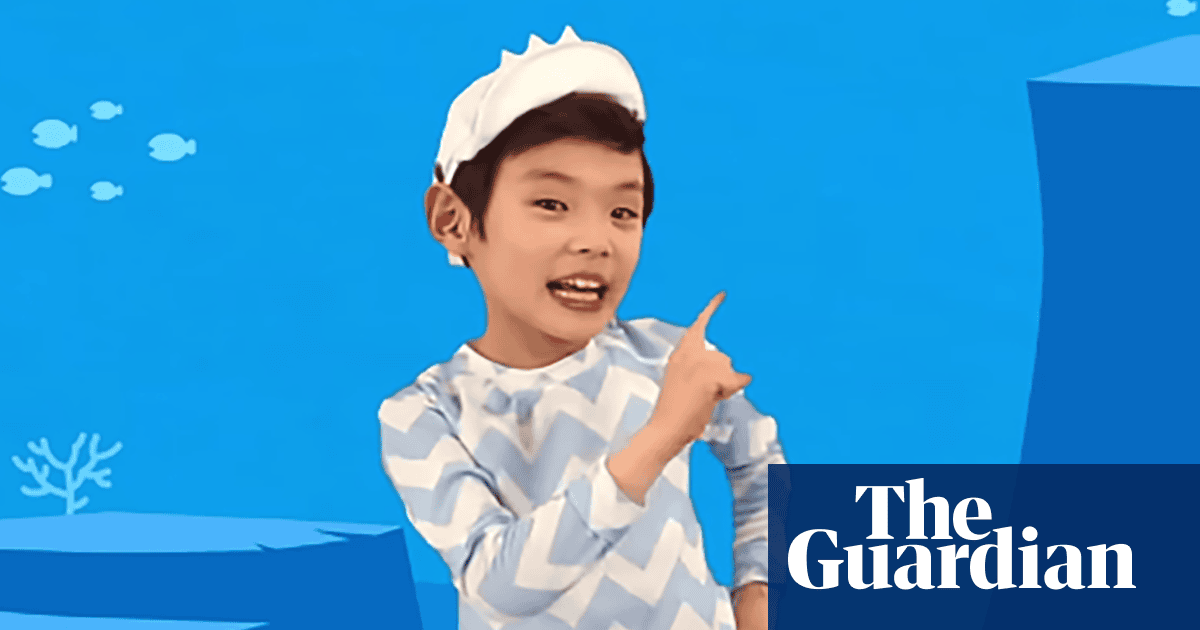
Geonroung Park, widely recognized as the boy who performed the hand motions for the viral children’s song Baby Shark, has officially launched a career in K-pop. Now seventeen years old, Park released his debut single, titled Wave, on Thursday. The release marks a significant shift for the teenager, who became one of the most recognizable faces on the internet after appearing in a video that has accumulated more than 17 billion views on YouTube over the past decade.
The new single features Joohoney from the established K-pop group Monsta X. This collaboration carries symbolic weight, as members of Monsta X previously performed the Baby Shark choreography during the song’s peak viral period. Park describes the track as a reflection of his own journey, noting that the song begins with the familiar melody associated with his childhood fame before shifting into an electropop sound. He views this musical structure as a metaphor for how a small cultural moment grew into a massive global phenomenon.
Park’s path to stardom began ten years ago when he was seven years old. He recalls filming the original clip on what felt like a large set, enjoying the process of dancing and playing without fully understanding the future impact of his performance. At the time, he did not provide the vocals for the song; those were performed by another child actor. For years, Park remained largely in the background of the media frenzy, with the animated characters and the catchy tune taking center stage.
The video’s rise to prominence was gradual but explosive. After simmering for about a year following its upload in 2016, it gained traction in 2017 through the #BabySharkChallenge in Indonesia. The trend was further amplified when major K-pop stars, including Blackpink, Twice, and Girls’ Generation, performed the choreography on television programs. By 2019, the song had charted on the Billboard Hot 100 and the UK singles chart, and it even served as the walk-up song for the Washington Nationals during their World Series victory.
Despite the immense scale of the video’s success, Park describes his upbringing as relatively ordinary. He notes that while classmates were aware of his connection to the viral hit, they generally treated him like any other student. The fame did not drastically alter his daily life or social interactions during his formative years. However, the song remained a persistent part of his consciousness, with Park admitting he often caught himself humming the tune without realizing it in the years following the filming.
The origins of Baby Shark predate the viral video by decades. The song is widely believed to have originated as a singalong chant at North American summer camps in the 1970s. It existed as a folk tradition long before Park was born. The company behind the modern iteration, then known as SmartStudy and now called Pinkfong Company, uploaded an animated version in late 2015. They followed this with the choreography-focused clip featuring Park in mid-2016, transforming the traditional chant into a catchy track with a K-pop-style beat.
Legal questions regarding the song’s ownership were recently resolved. In August 2025, South Korea’s supreme court ruled against a children’s songwriter who had claimed the viral version copied his arrangement. The court determined that the songwriter’s version had not been altered sufficiently from the original chant to qualify for independent copyright protection. This ruling solidified Pinkfong Company’s control over the franchise, which has since expanded into television shows, films, and merchandise.
Park is eager to be recognized for more than just his childhood appearance. He emphasizes that he wants to share his own voice and the stories he has written himself. While he acknowledges the opportunity the viral fame provided, he is focused on gradually finding his own style as an artist. He does not view his past as something to discard but rather as a foundation for his new beginning. The Pinkfong Company supports this transition, framing Park’s debut as a real-life growth story rather than a conventional idol launch.
Public interest in Park has remained steady. Last year, he briefly reappeared in short-form videos marking the tenth anniversary of the original song, which garnered more than 24 million views. This engagement suggests that the character never fully left public memory. As Park steps into his new role as a singer, he aims to balance respect for his past with ambition for his future, hoping to demonstrate that the boy who danced next to Baby Shark has grown into an artist with his own distinct voice.
Sources behind this briefing
Go to the original reporting
- The Guardian US↗The boy behind the Baby Shark phenomenon: I used to hum it without even realising

