The short version
- Commercial air travel between Israel and the United Arab Emirates has been suspended following a co-pilot's attempt to crash a Tel Aviv-bound flight, leaving hundreds of passengers stranded.
- Israeli officials allege the attacker underwent radicalization and may have external backing, while UAE investigators lead the probe with no confirmed evidence linking Iran to the incident.
- The wounded captain survived a violent struggle in the cockpit that caused severe altitude fluctuations before the aircraft made an emergency landing in Saudi Arabia.
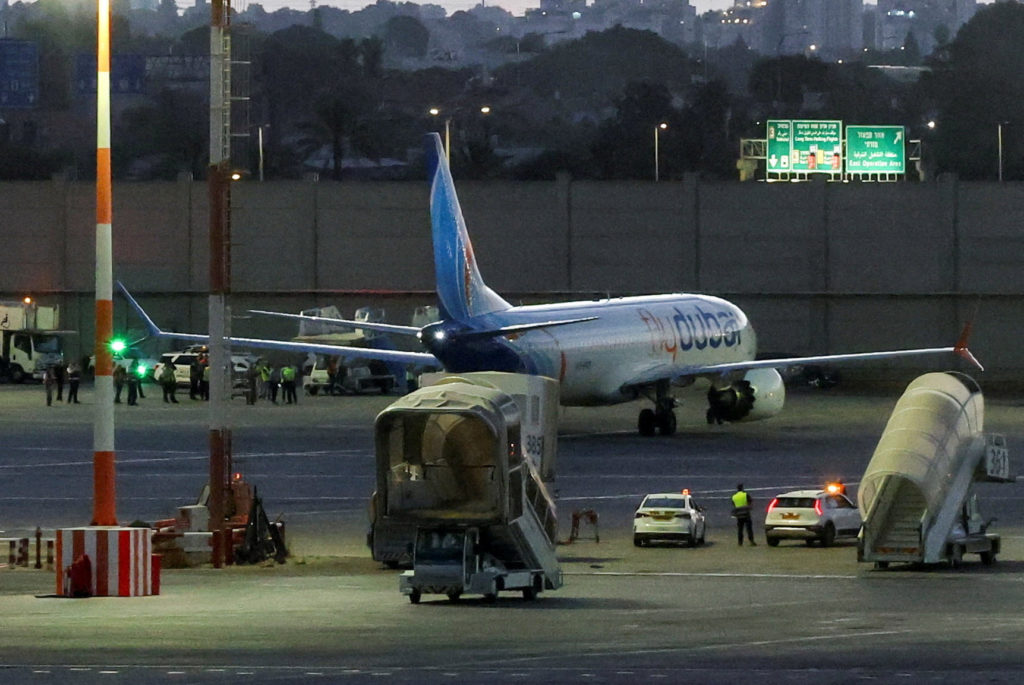
A failed attempt to crash a commercial airliner has triggered a severe disruption in regional aviation, casting doubt on travel security across the Middle East. The incident involving a FlyDubai flight from Dubai to Tel Aviv has left the area’s tourism and transport sectors in disarray. With no public information available regarding the co-pilot’s specific motives, authorities are conducting a regional investigation while managing the immediate logistical fallout for passengers caught between two nations that recently normalized diplomatic relations.
The United Arab Emirates has suspended all flights to Israel, a move that complicates travel for hundreds of people who routinely fly this route. Israeli and Emirati officials agreed to arrange repatriation flights to return stranded citizens, with operations scheduled to begin late in the week. However, uncertainty remained regarding whether these special flights had commenced, as reports indicated the UAE was delaying landing permits required for El Al aircraft to enter Dubai airspace.
This suspension marks a significant reversal for travel ties established under the Abraham Accords in 2020. Dubai had become a favored destination for Israeli tourists and business travelers following the normalization of relations between the two countries. The abrupt halt in commercial service underscores how quickly geopolitical stability can erode when security incidents occur, particularly in a region already strained by broader conflicts involving the United States and Iran.
Political leaders have offered competing narratives about the attacker’s affiliations without providing concrete evidence. Israeli Prime Minister Benjamin Netanyahu asserted that the co-pilot, identified as an Omani citizen, had undergone Islamist radicalization and suggested he may have been sent by external actors. Meanwhile, U.S. President Donald Trump indicated that early intelligence pointed toward links with Tehran, warning of severe consequences if Iranian agents were found responsible. These claims remain unverified as investigations continue.
In contrast to these political assertions, officials involved in the probe stated that Emirati authorities are leading the inquiry and have not yet found evidence connecting Iran to the attack. It remains unclear whether the co-pilot acted alone or was part of a larger group. The lack of definitive information has created a vacuum filled by speculation, further unsettling public confidence in aviation safety protocols across the region.
The incident serves as a critical test for the UAE government, which has cultivated an image of robust security and effective counter-extremism measures. Senior diplomatic adviser Anwar Gargash condemned the act as dangerous terrorism and praised the flight captain for preventing a catastrophe. Analysts note that the UAE is keen to protect its reputation as a secure destination, viewing any perception of security lapses as a significant blow to its standing in global aviation markets.
Details of the harrowing events onboard continue to emerge from passengers and medical reports. The aircraft experienced a sudden drop in altitude to 16,600 feet more than two hours into the flight, marking the sharpest descent recorded by tracking data. Passengers near the front reported hearing sounds of a struggle inside the cockpit just before the nosedive. The plane then ascended briefly before dropping again and stabilizing at 15,000 feet until it could safely land in Tabuk, Saudi Arabia.
The wounded captain, Smit Machchhar, was transferred from Saudi Arabia to a hospital in Abu Dhabi alongside the co-pilot. In a televised video call with Indian Prime Minister Narendra Modi, Machchhar described the terror of fighting for his life while injured and bandaged. He emphasized that he realized if he did not regain control, all passengers would perish. His actions prevented the loss of 182 lives, but the psychological impact on survivors and the broader implications for regional security remain profound.
Sources behind this briefing
Go to the original reporting
- PBS NewsHour↗Pilot stabbing further unsettles region shaken by U.S.-Iran war