The short version
- Eight passengers and crew members were hospitalized following severe turbulence on an Avianca flight that diverted from its New York route to Miami.
- One individual sustained serious injuries requiring trauma care, while seven others received treatment at local hospitals for less critical conditions.
- Industry data indicates a significant rise in turbulence reports over the past year, with experts linking this trend to climate-driven changes in jet stream patterns.
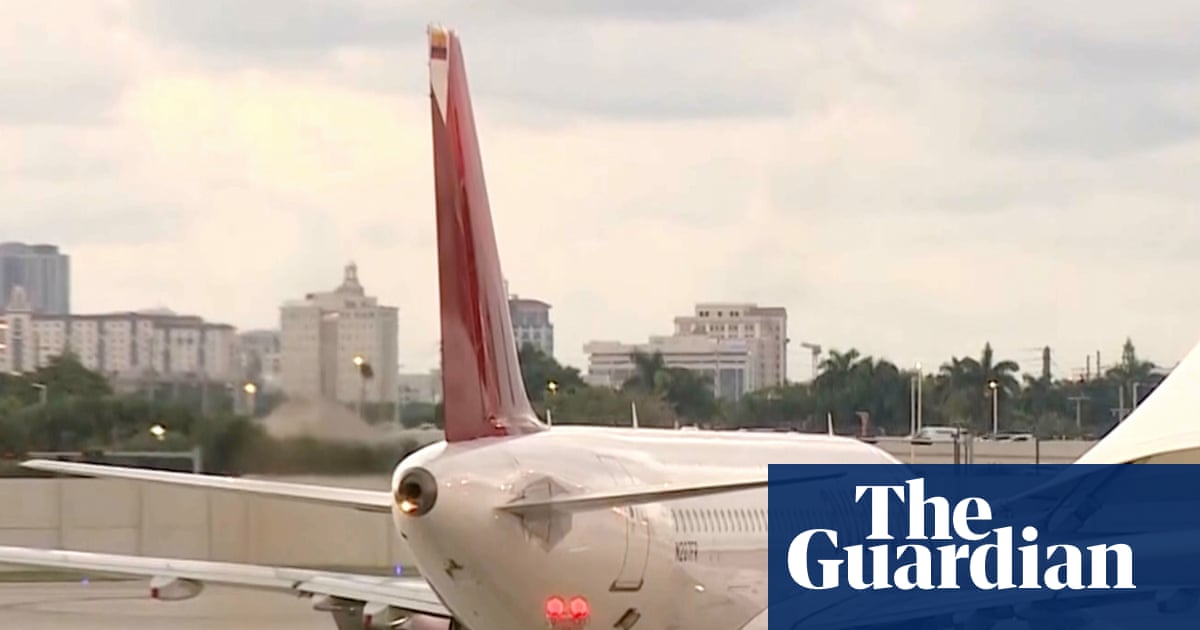
An Avianca flight traveling from Medellín, Colombia, to New York City was forced to make an emergency landing in Miami on Friday morning after encountering severe turbulence. The incident resulted in injuries to at least eight individuals aboard the Airbus A320. Emergency responders in Miami-Dade County reported that one person was transported to a trauma center with serious injuries. Seven other occupants were taken to various area hospitals via ambulance for treatment of less severe conditions.
The Federal Aviation Administration confirmed that the aircraft had diverted from its original destination, John F. Kennedy International Airport, due to the intensity of the atmospheric disturbances. Upon landing, airline officials stated that passengers who were not injured have been rebooked on alternative flights to continue their journey to New York. Avianca issued a statement emphasizing that customer and employee safety remains the core principle of its operational standards.
This event underscores a broader trend in commercial aviation regarding the frequency and severity of turbulence encounters. While serious injuries from in-flight air disturbances remain statistically rare, industry observers note a concerning upward trajectory in reported incidents. The International Air Transport Association recorded a surge of more than 25 percent in turbulence reports last year compared to previous periods.
Scientists attribute this increase partly to the ongoing climate crisis, which is altering the behavior of the jet stream. These atmospheric changes can create more unpredictable and intense pockets of clear-air turbulence, making it difficult for pilots to anticipate or avoid them using traditional weather radar systems. The shift suggests that what was once considered an occasional inconvenience may become a more regular safety consideration for airlines and passengers alike.
The Miami incident is not isolated in the context of recent aviation safety challenges. Last summer, a Delta Air Lines flight experienced severe turbulence caused by a thunderstorm over Wyoming, resulting in twenty-four people being hospitalized. The National Transportation Safety Board described a violent sequence where passengers and crew were thrown into the ceiling with enough force to crack interior panels before being tossed back down.
In the Delta case, the seatbelt sign was off at the time of the disturbance, allowing some passengers to stand and move around while beverages were being served. This detail has become a focal point in subsequent legal actions, with at least twenty passengers filing lawsuits against the airline. The plaintiffs argue that the carrier could have taken different measures to avoid the severe weather conditions that led to the injuries.
These contrasting scenarios highlight the complexities of managing turbulence risks. While some incidents are linked to visible storm systems, others occur in clear air, offering little warning to those on board. The FAA continues to recommend that passengers remain seated with seatbelts fastened whenever possible, regardless of whether the sign is illuminated. This guidance aims to protect individuals from unexpected vertical movements that can cause significant harm.
As airlines navigate these evolving atmospheric conditions, the focus remains on balancing operational efficiency with passenger safety. The rebooking process for the Avianca flight reflects standard procedures for such disruptions, but the injuries sustained raise questions about preparedness and communication. With turbulence reports rising globally, the aviation industry faces pressure to adapt its protocols and educate travelers on the importance of staying secured during flights.
The incident in Miami serves as a reminder of the physical forces at play during commercial travel. Even routine flights can encounter sudden changes in air stability that challenge both aircraft structures and human tolerance. As climate patterns continue to shift, the frequency of such events may increase, necessitating ongoing review of safety guidelines and emergency response strategies.
For now, the immediate concern is the recovery of those injured in Miami. The trauma center patient’s condition remains a priority for medical staff, while the seven others are receiving care at local facilities. Avianca has not provided further details on the specific cause of the turbulence beyond acknowledging the severity of the encounter. Investigations into such events typically involve multiple agencies to determine if any procedural improvements can prevent similar outcomes in the future.
Sources behind this briefing
Go to the original reporting
- The Guardian US↗Severe turbulence injures at least eight and forces emergency landing in Miami