The short version
- A major Austrian supermarket chain is piloting the sale of two historic apple varieties to test their performance in contemporary commercial supply chains.
- The initiative addresses concerns about agricultural biodiversity loss and explores potential health advantages, including higher antioxidant levels and reduced allergy triggers.
- Initial trials involve sampling fruits from an experimental orchard in Vienna schools and daycare centers before determining wider regional distribution.
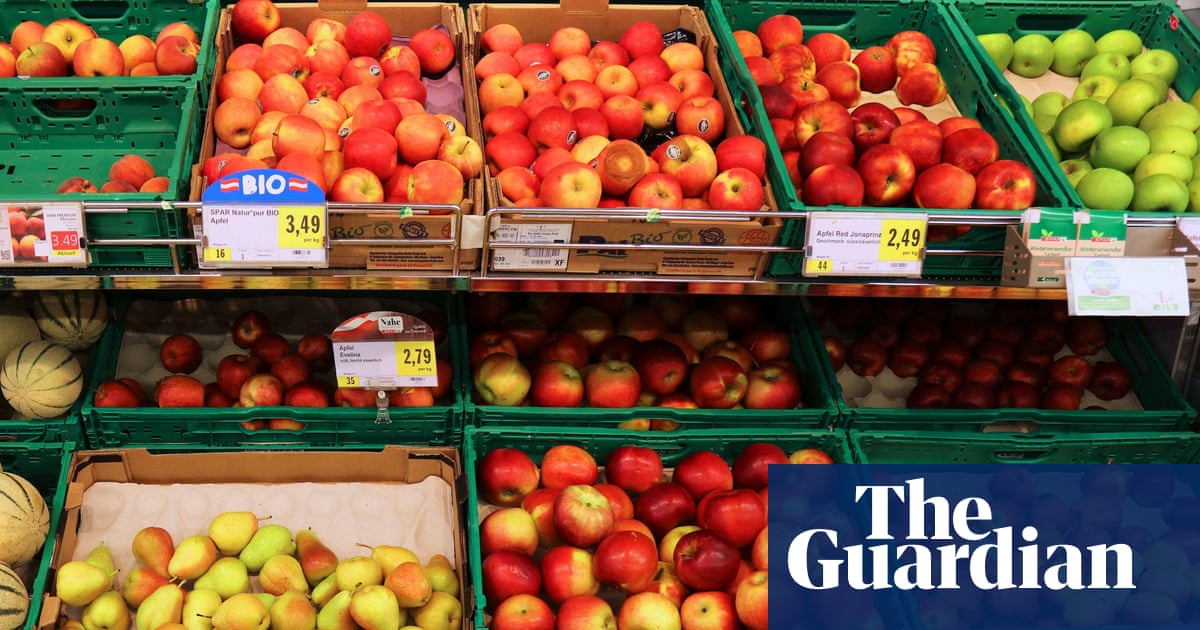
A significant shift in retail produce strategy is underway in Austria as Spar, one of the country’s largest supermarket groups, launches a pilot program to reintroduce forgotten apple varieties to mainstream shelves. This effort challenges the current market dominance of just ten common types among the roughly two thousand varieties historically grown in the region. The initiative represents a broader international movement toward reviving heirloom crops, driven by growing consumer interest in food origins, flavor diversity, and environmental sustainability.
The pilot focuses on two specific heritage fruits: the Ilzer Rosenapfel, originating from Styria around 1840, and the Falchs Gulderling, identified in South Tirol during the 1870s. Spar is collaborating with produce distributor Frutura to assess whether these long-lost varieties can withstand the rigors of modern large-scale cultivation. The project aims to evaluate critical commercial factors including taste profiles, growth performance, disease resistance, and shelf stability. Success in this trial could lead to a wider regional rollout of these special varieties.
Environmental considerations play a central role in the selection process. Experts from Arche Noah, an environmental NGO dedicated to preserving biodiversity, helped identify which heritage apples are best suited for contemporary farming methods. The goal is to balance traditional agricultural knowledge with modern innovation, ensuring that these historic crops can thrive without compromising ecological integrity. This approach seeks to counteract the homogenization of agriculture that has favored sugary, uniform fruits over distinctive, locally adapted varieties.
An experimental orchard in Styria currently hosts 2,150 trees dedicated to this project. The first harvest was collected recently for initial sampling and quality assessment. These fruits are scheduled to be distributed to a trial supermarket in Vienna, as well as to regional schools and daycare centers next month. Early feedback from Frutura co-managing director Katrin Hohensinner-Häupl indicates promising results, noting that the Gulderling apples appeared oversized and deep red, while the Ilzer Rosenapfel was smaller and paler. Both varieties were described as evoking nostalgic childhood flavors.
Beyond commercial viability, the revival of heirloom apples addresses significant health concerns associated with modern fruit consumption. Pomologists note that older varieties often contain higher concentrations of polyphenols in their skin, which act as antioxidants and anti-inflammatory agents. These compounds have largely been bred out of contemporary supermarket apples to prioritize appearance and shelf life over nutritional density.
Research from Charité, a university hospital in Berlin, highlights the potential medical benefits of these heritage fruits. The study found that high polyphenol concentrations in heirloom varieties may allow individuals with lifelong apple allergies to consume them safely. Furthermore, regular consumption of tolerated varieties was linked to reduced hay fever symptoms in adults, who frequently experience cross-reactivity between pollen and modern apple proteins.
This Austrian initiative mirrors smaller-scale efforts across Europe and the United States, where artisanal orchards and farm stands are experimenting with unique fruit varieties. The German-speaking world retains a rich lexicon of historic apple names, such as Steirische Schafnase and Napoleonsapfel, reflecting the deep cultural connection growers have maintained with their crops. Experts emphasize that these names signify the labor and care invested in cultivating diverse genetic lines.
The broader context includes dedicated spaces for pomological preservation, such as the public park in Reutlingen, Germany, which houses fifty apple tree types from a gardening school founded in 1860. Similarly, boutique retailers like Apfelgalerie in Berlin curate selections from hundreds of varieties grown near the Polish border. These niche markets demonstrate sustained consumer interest in flavor complexity, with notes of raspberry, clove, nut, and lemon returning to the palate after decades of absence.
If the Spar pilot proves successful, it could signal a larger transformation in how supermarkets approach produce sourcing. By integrating heritage varieties into commercial supply chains, retailers may help preserve agricultural biodiversity while meeting evolving consumer demands for transparency and quality. The outcome of this trial will determine whether historic apples can transition from niche curiosities to staple offerings in modern grocery stores.
The project underscores a growing awareness that farming practices must evolve to address both environmental and health challenges. Reviving ancient crops offers a pathway to restore genetic diversity lost through industrialized agriculture. As the first fruits move from experimental orchards to public tasting events, stakeholders will closely monitor consumer reception and logistical feasibility to decide on future expansion plans.
Sources behind this briefing
Go to the original reporting
- The Guardian US↗Core values: the Austrian scheme bringing forgotten apple varieties back to life